
Editorial
Though Jamiat Ulema-e-Islam (F) (JUI-F) leaders, such as Engineer Ziaul Rehman, are showing full support for their chief Fazlur Rehman, over his recent derogatory remarks regarding Pakistan’s armed forces and martyrs, the overall situation is not rosy for Fazlur Rehman. Several petitions have been filed in district courts across Punjab seeking legal action against him.
In one such case, a sessions court in Lahore sought a reply from the Director of the National Cyber Crime Investigation Agency (NCCIA) on a petition seeking the registration of a criminal case against Fazlur Rehman over his remarks about the country’s martyrs. Additional Sessions Judge Malik Latif issued a notice to the NCCIA director and adjourned further proceedings until August 17. The petition requested the court to direct the relevant authorities to register an FIR against the JUI-F chief and proceed against him in accordance with the law.
Political analysts believe that Fazlur Rehman is attempting to pressure the establishment to secure his political share from the system, as he has been accustomed to enjoying state power by leveraging his religious position and his radicalized followers. He served longest Chairman of the Kashmir Committee of Parliament and has remained part of the Khyber Pakhtunkhwa government and the federal cabinet since the 1985 non-party elections. This is the first time he has been without government vehicles and fuel to run his hujras and support his family. These are indeed unusual circumstances and difficult times for Fazlur Rehman.
Related Story: Maulana Fazlur Rehman and the politics of impunity
A large number of writers argue that right-wing parties in Pakistan have historically shown sympathy toward radicalized cadres waging war against the modern state of Pakistan. In 2014, the late Syed Munawar Hasan (the 4th Emir of Jamaat-e-Islami from 2009 to 2014) in November 2013 made almost identical remarks regarding the martyrdom of Pakistan Army personnel. The difference today is that JI publicly distanced itself from its chief’s remarks and Munawar Hasan was sidelined within a year, whereas JUI-F is standing firmly behind Fazlur Rehman. The late Maulana Samiul Haq was also known for referring to TTP militants as “our sons.” Similarly, Maulana Shirani of JUI has expressed comparable views. Therefore, some analysts argue that the problem lies within the ideological structure of certain right-wing political parties, which have supported the armed struggle of non-state actors and promoted the notion that an “irregular army can defeat a regular army.” They contend that this narrative is rooted in the concept of global jihad promoted by Hassan Ahmed Abd al-Rahman Muhammed al-Banna during the mid-20th century.
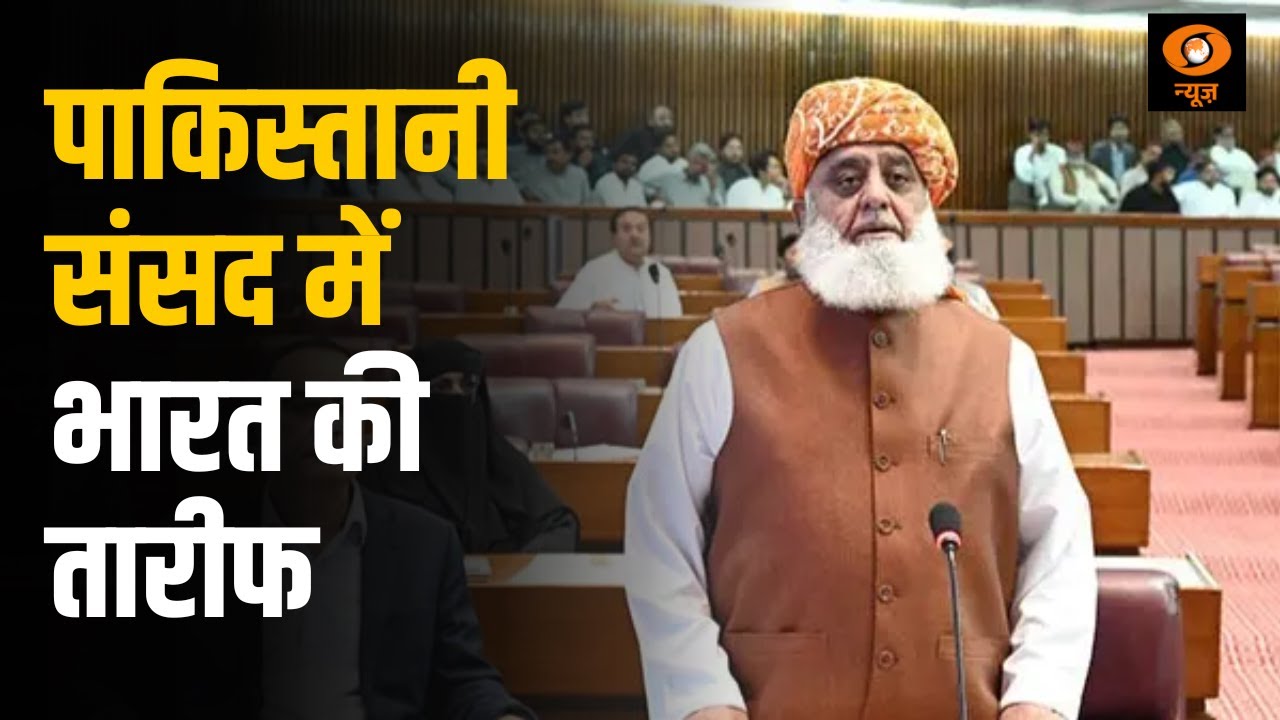
Ironically, Jamiat Ulema-e-Islam (then Jamiat Ulema-e-Hind) and Jamaat-e-Islami, both of which opposed the creation of Pakistan, later became among the parties that spent the longest periods participating in power-sharing arrangements since the 1970s. Both maintained strong relations with power grids in past, yet critics argue that their political philosophy has remained sympathetic toward non-state actors. Although JUI issued fatwas against the TTP after the group began targeting the party for internal reasons, its contacts with the Afghan Taliban and the TTP reportedly remained intact.
With reference to Fazlur Rehman, he has previously made derogatory remarks about the Pakistan Army without facing legal consequences. As a result, critics argue that the absence of accountability has encouraged him to repeat such statements. Most recently, he described the sacrifices made by the Pakistan Army and other security forces in protecting the country from terrorism as “merely a consequence of employment or salary.”
The state of Pakistan should be firmed in future to penalize everybody irrespective of background and mob power who dare to make mockery of sacrifices of martyrs because honorable nations glorify the sacrifices of their martyrs instead of raising fingers towards them. In Pakistan, however, there are elements that attempt to belittle or mock the concept of martyrdom. Now cases against Fazlur Rehman of JUI are in courts and every sane Pakistani hope that Fazlur Rehman will be punished for what he has said against martyrs. Fazlur Rehman should understand the vision “Azm-e-Istehkam” (as approved by the Federal Apex Committee on National Action Plan) that ensures protection of Pakistan and he must remember sons of the motherland who sacrifice their lives cannot be bought or sold; they are a gift from God. His critics argue that people holding views such as his fail to appreciate this reality.
Poet Sofi Tabassum, in one of his poems, says:
اے پُتر ہٹاں تے نئیں وکدے ۔ ۔ ۔ ۔ تُو لبھنی ایں وچ بازار کُڑے ۔ ۔ ۔
اے دین اے میرے داتا دی ۔ ۔ ۔ ۔ نہ ایویں ٹکراں مار کڑے ۔ ۔ ۔
اے پُتر وِکاو ُ چیز نئیں ۔ ۔ ۔ ۔ مُل دے کے جھولی پائیے نی ۔ ۔ ۔
اے ایڈا سستا مال نئیں ۔ ۔ ۔ ۔ کی توں جاکے منگ لیائیے نِی ۔ ۔ ۔
اے سودا نقد وی نئیں ملدا ۔ ۔ ۔ ۔ تُو لبھدی پھریں ادھار کڑے ۔ ۔ ۔
اے شیر بہادر غازی نیں ۔ ۔ ۔ ۔ اے کسے کولوں وی ہردے نئیں ۔ ۔۔
انیاں دشمناں کولوں کی ڈرنا ۔۔ ۔ ۔ اے موت کولوں وِی ڈردے نئیں ۔ ۔
The total sum of above-mentioned Punjabi lyrics is that martyrs are unusual sons of motherland who trade their lives for their motherland’s future and they are rear of the rear people who are not afraid of death, and they attack their enemies like a wild lion.

