
By Agha Iqrar Haroon
The Shusha Global Media Forum, which I call a “Productive Knowledge (Poiesis),” ended while leaving a message to participants that sharing knowledge needs a leader who offers a place where people from all continents come together, live together for some days, share their knowledge and ideas, and leave with a futuristic approach to handling global threats, exploiting opportunities, and learning interfaith and intercultural harmony.

The 4th Shusha Global Media Forum, which ended on July 14, was just a continuation of the great opportunity provided by the leadership of Azerbaijan’s President Ilham Aliyev. This Forum once again demonstrated that strategic communication has become an integral component of state governance in the modern global information environment, and experts must keep themselves up to date with emerging threats and realities.
There is no doubt left that the Shusha Global Media Forum has become the most significant media event globally, providing a platform for practitioners, experts, and academicians from all continents to develop a shared future for media persons, policymakers, and even lawmakers. This year’s theme was “The Mission of the Media in Promoting Peace: Restoring Truth and Rebuilding Trust.”
More than 160 media representatives, experts, and government officials from 54 countries attended the forum, representing 30 international news agencies and more than 60 leading media organizations. Representatives of around 10 international organizations and companies also participated in the forum.
The forum aimed to contribute ideas and practices to restore trust among societies and promote peace by highlighting the importance of responsible media practices.
Media executives, government officials, and communications experts from around the world were of the view that the biggest threat to truth in the media sphere is fabricated, mostly AI-generated content, and the burden on the shoulders of journalists is enormous to filter truth from falsehood and then provide it to consumers. They were of the view that countering disinformation is both an art and a science, and adapting to the rapid growth of artificial intelligence in the news industry should be a careful practice.
Global realities are rapidly changing, and the soft power of media has become more lethal than kinetic power. Information management is now a strategic need of states because the target of adversaries is mainly to destroy trust between the state and its public. Therefore, loopholes and delays in communication with the public can erode public trust in institutions. Communication theories based on repetition and rhetoric may not be as useful as they were in the past. Today, a state’s legitimacy is measured not only by the substance of its decisions but also by how those decisions are justified to various audiences, through which communication channels they are presented, and how public trust is managed. Therefore, the one-way information transmission model has become a thing of the past, and communication based on mutual dialogue and institutional interaction is the need of the day. This should be considered one of the core features of modern governance concepts.
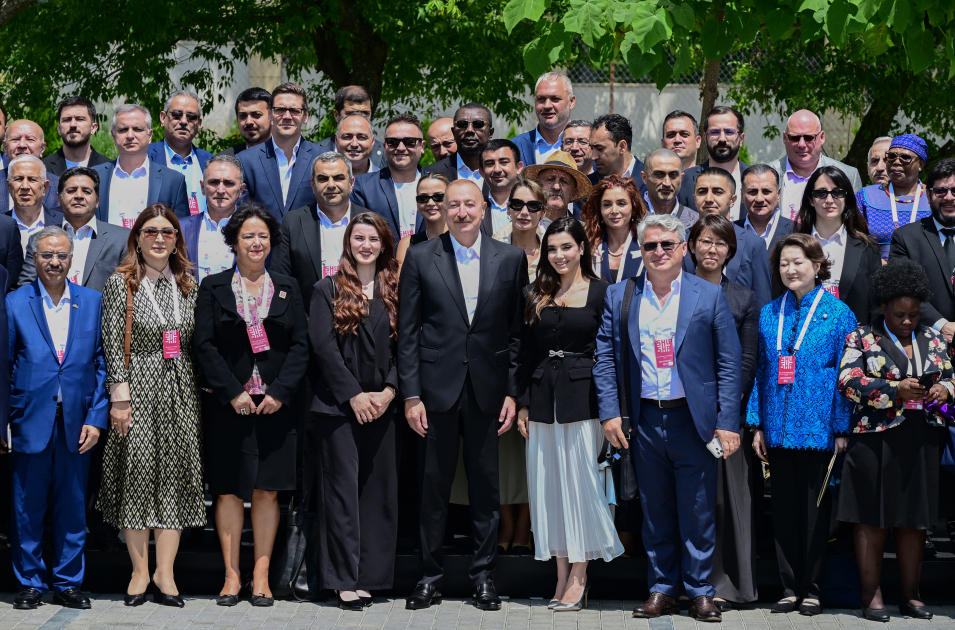
The beauty of the Shusha Global Media Forum is, and was (during previous forums), the candid interaction with the President of the Republic of Azerbaijan, Ilham Aliyev, who met with the participants and answered their questions for over two hours and forty minutes. As always, he was open to listening and answered questions with the deep knowledge he possesses, with a smiling face and comfortable posture. The participants felt an unseen linkage with his personality. He speaks, and participants like this writer feel lost in his charismatic personality and in-depth knowledge about media management, governance, and international relations. I consider him a bank of global knowledge who knows what is going on around him—from a street in Shusha to any end of the world. During his talk, he encouraged connections among media outlets, government officials, representatives of international organizations, and consumers of the media.
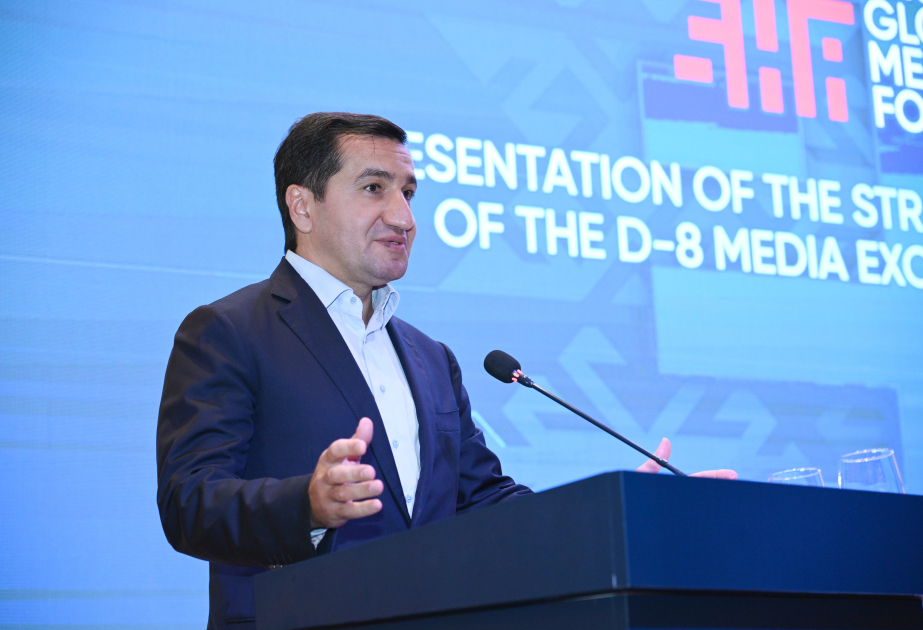
Another exciting opportunity, as always, was interaction with Hikmet Hajiyev, Assistant to the President of Azerbaijan and Head of the Foreign Policy Affairs Department of the Presidential Administration, because his talks always provide material for thinking deeply about how to manage a linkage between media practitioners and state institutions. He is (was) always happy to answer any question a media person has in mind, even while meeting him in the corridors of the venue. He seems to focus on enhancing institutional capacity, promoting higher ethical standards, improving media literacy, and helping the sector adapt to rapid technological changes. In his latest speech to foreign delegates, he said that building sustainable institutions, investing in journalists, increasing resilience to disinformation, and strengthening public trust must be on the agenda of everybody in the media sphere.
For me, the takeaways from the 4th Shusha Global Media Forum include:
- All countries need leadership such as that of President Ilham Aliyev for providing global interaction among academicians, practitioners, legislators, and decision-makers in media management, whose ever-smiling face and candid interaction with the media encourage participants to ask questions.
- Today, a state’s legitimacy is measured not only by the substance of its decisions but also by how those decisions are justified to various audiences, through which communication channels they are presented, and how public trust is managed.
- The one-way information transmission model has become a tale of bygone days, and now communication based on mutual dialogue and institutional interaction is the need of the day. This should be considered one of the core features of modern governance concepts.
- Soft power is not limited to cultural and humanitarian potential; it also encompasses states’ ability to establish open communication with the international community, create a transparent dialogue environment, and bring diverse stakeholders together on a single discussion platform.
- The global information ecosystem demands strategic communication instead of old-fashioned “bureaucratic pressers.”
- The intensity of information flows necessitates that states build their communication policies not only on speed but also on the principles of reliability, accountability, and institutional sustainability.
- Global forums such as the Shusha Global Media Forum are needed for organizing professional dialogue and strengthening mutual understanding to align with new challenges in global information governance.
- The Shusha Global Media Forum has established itself as a functional element of public diplomacy and a tool for establishing sustainable ties with international media institutions, expanding professional networks, and developing multilateral cooperation mechanisms. The value of interactive platforms lies not only in discussing specific topics but also in contributing to the development of shared communication standards and an environment of mutual trust among media entities from different countries.

