
Monitoring Desk covering reports from New Delhi:
The escalating confrontation between Israel and Iran has not only intensified military tensions in the Middle East but has also triggered a parallel political and media debate far beyond the immediate battlefield. In India, the crisis has opened a new and debated chapter in the country’s foreign policy discourse, with critics accusing New Delhi of indirectly supporting Israeli actions while segments of the Indian media appear to celebrate the damage inflicted on Iran. The controversy deepened when senior Indian political leader Sonia Gandhi publicly suggested that India had effectively “betrayed Iran” through its approach to the unfolding crisis.
The debate gained momentum after screenshots began circulating widely on social media, allegedly showing Indian journalists, commentators, and pro-government social media accounts celebrating Israeli attacks on Iranian targets. These posts reportedly praised strikes on Iranian military infrastructure and strategic facilities. Their rapid spread across digital platforms sparked strong reactions among Iranian observers and critics of India’s current foreign policy direction, who viewed the posts as evidence of a troubling shift in India’s traditional diplomatic posture.
Sonia Gandhi, the former president of the Indian National Congress and one of the most influential figures in Indian politics, added significant weight to the debate. In a recent opinion article, she argued that India’s stance toward Iran during the crisis represents a serious departure from the country’s historically balanced approach in West Asia. According to Gandhi, India once maintained carefully calibrated relations across the region, engaging both Israel and Iran without appearing to favor one over the other. In her view, however, New Delhi has now tilted decisively toward Israel.
Gandhi warned that India seems increasingly willing to sacrifice its longstanding strategic partnership with Tehran in order to please Tel Aviv. Such a shift, she argued, could undermine India’s credibility across the region and weaken the trust built through decades of diplomacy. Describing the development as a diplomatic setback, Gandhi wrote that India had effectively “abandoned a long-time partner at a critical moment.” Her remarks have since fueled political debate within India, where opposition parties accuse the government of Prime Minister Narendra Modi of aligning too closely with Israel while neglecting traditional partnerships in West Asia.
Adding further complexity to the controversy are reports highlighting the timing of Prime Minister Narendra Modi’s visit to Israel just hour before US-Israel join attack started on Iran. While there is no official evidence linking India to Israeli military planning or operational decisions, the timing has nonetheless provided conjecture to commentators and political critics who believe the developments reflect a deeper strategic alignment.
Indeed, over the past decade India and Israel have forged an increasingly close partnership, particularly in the fields of defense technology, intelligence cooperation and surveillance systems. Israel has become one of India’s most significant defense suppliers, providing advanced radar systems, drones, missile technologies and cyber-security capabilities. This growing military and technological cooperation has strengthened bilateral ties but has also raised questions about how India balances these relations with its historic partnerships elsewhere in the region.
Amid this debate, another layer of controversy has emerged through reports circulating in regional media and online platforms. These reports claim that an Indian cargo aircraft transported sensitive Israeli surveillance and military equipment to Bagram Air Base in Afghanistan. According to the claims, Israeli and Indian technical teams were present at the facility, which some sources suggest could be used for intelligence monitoring related to Iran’s eastern frontier.
Nevertheless, the reports have attracted attention because of Bagram Air Base’s strategic significance. Once the largest U.S. military installation in Afghanistan, Bagram retains geopolitical importance due to its proximity to Central Asia, Pakistan and Iran. For analysts of regional security, any activity linked to the base inevitably invites speculation about intelligence operations and shifting strategic alignments.
Beyond military developments, the Iran-Israel confrontation has also evolved into an intense information war. Iranian commentators and regional analysts increasingly accuse segments of Indian television networks and digital platforms of amplifying Israeli narratives while downplaying Iran’s perspective. Critics argue that some commentators have framed Israeli operations as decisive victories while portraying Iran’s losses in celebratory terms.
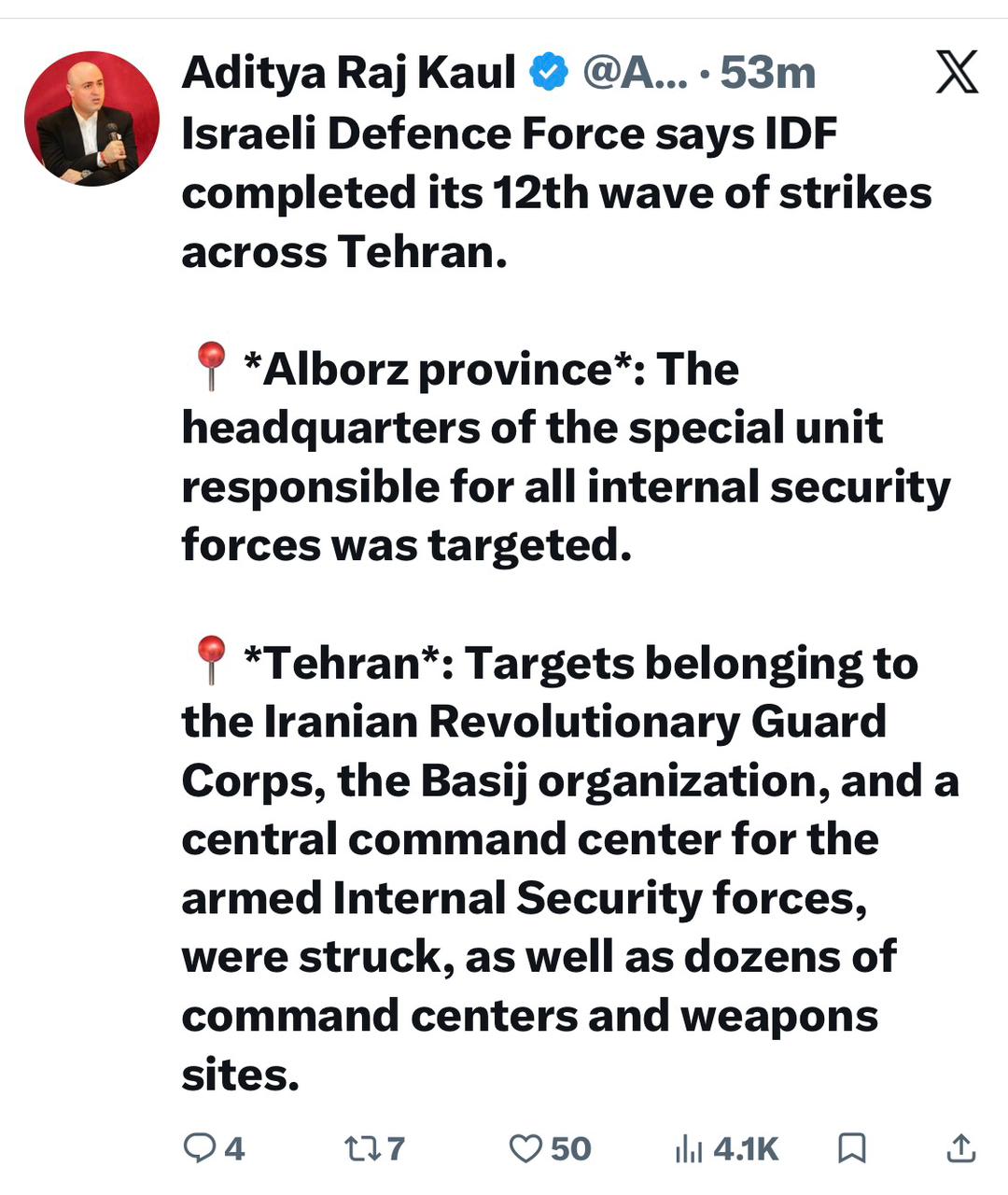
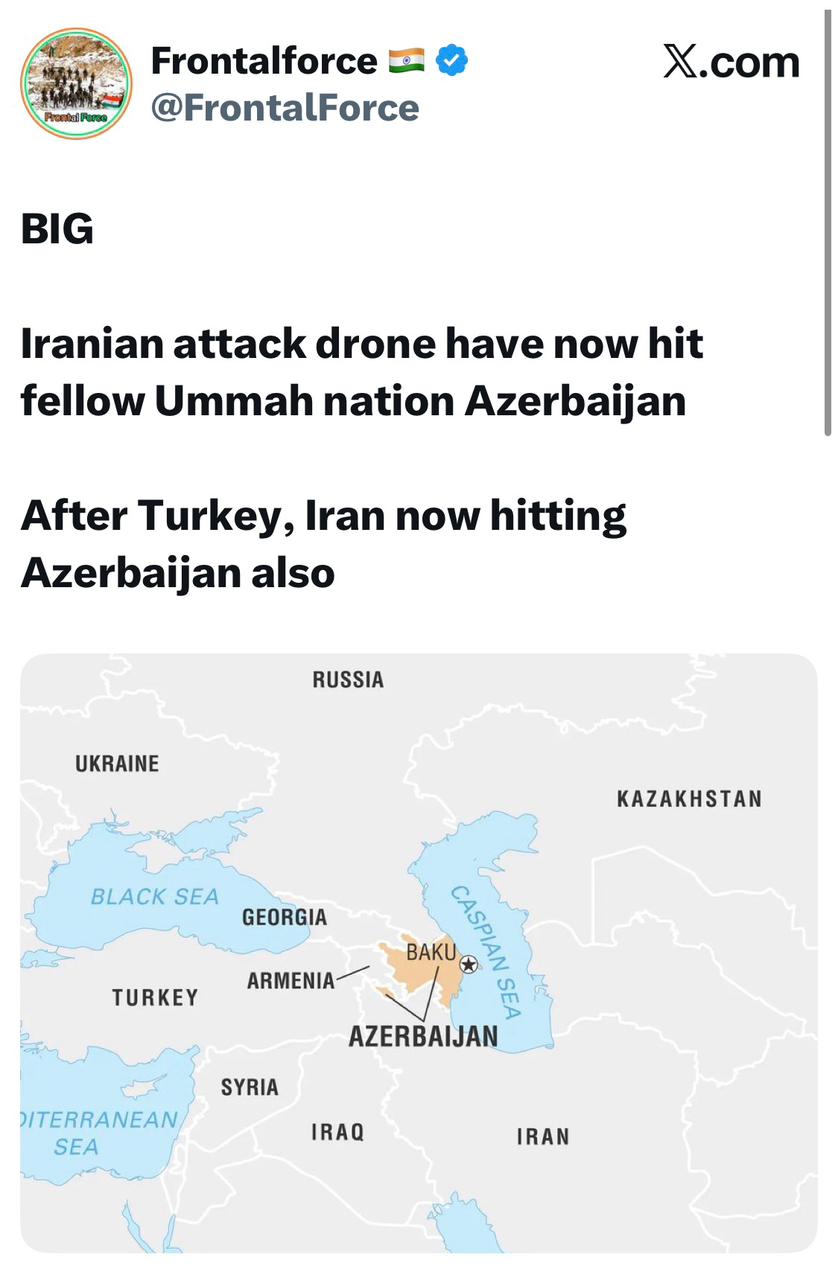
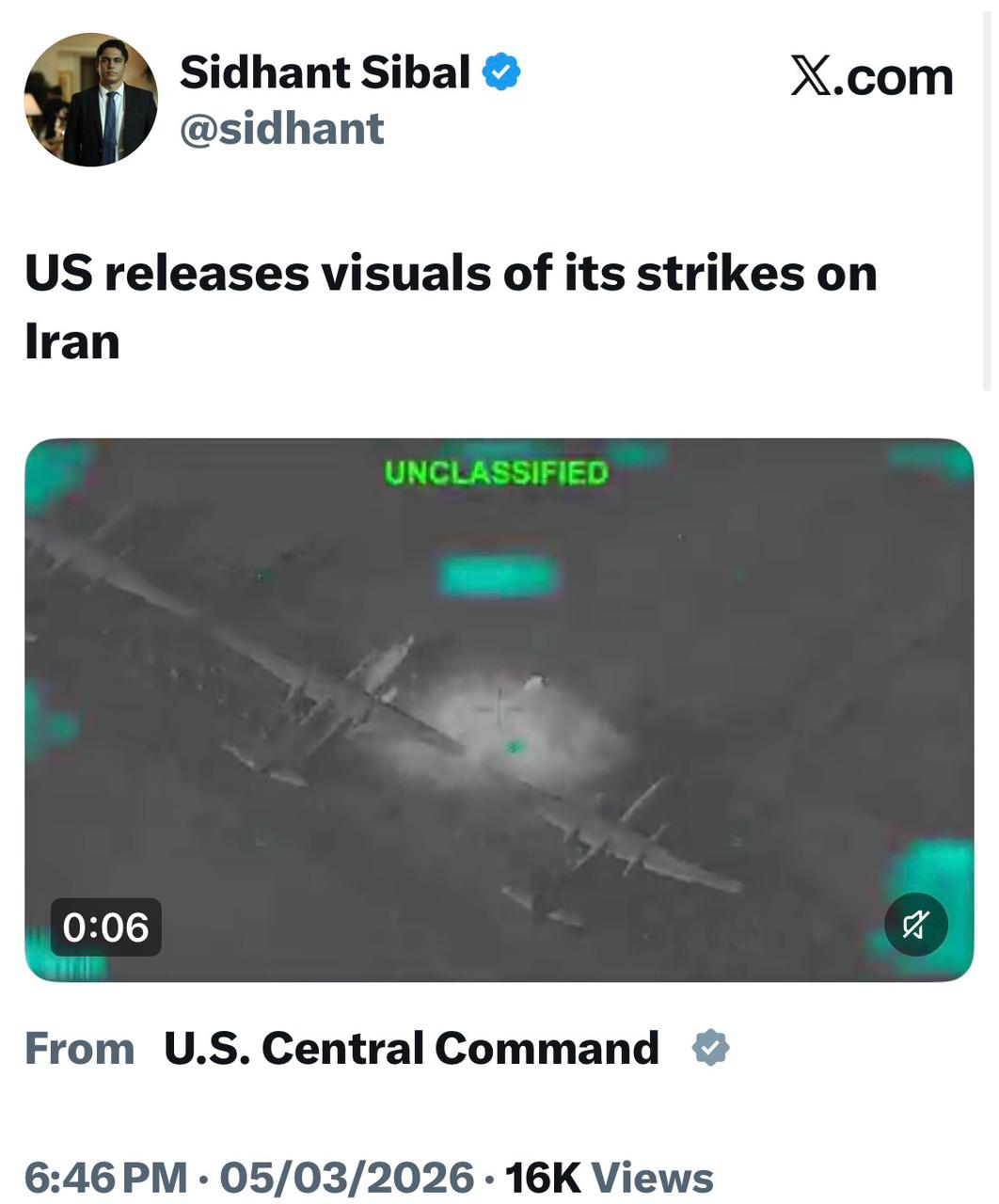
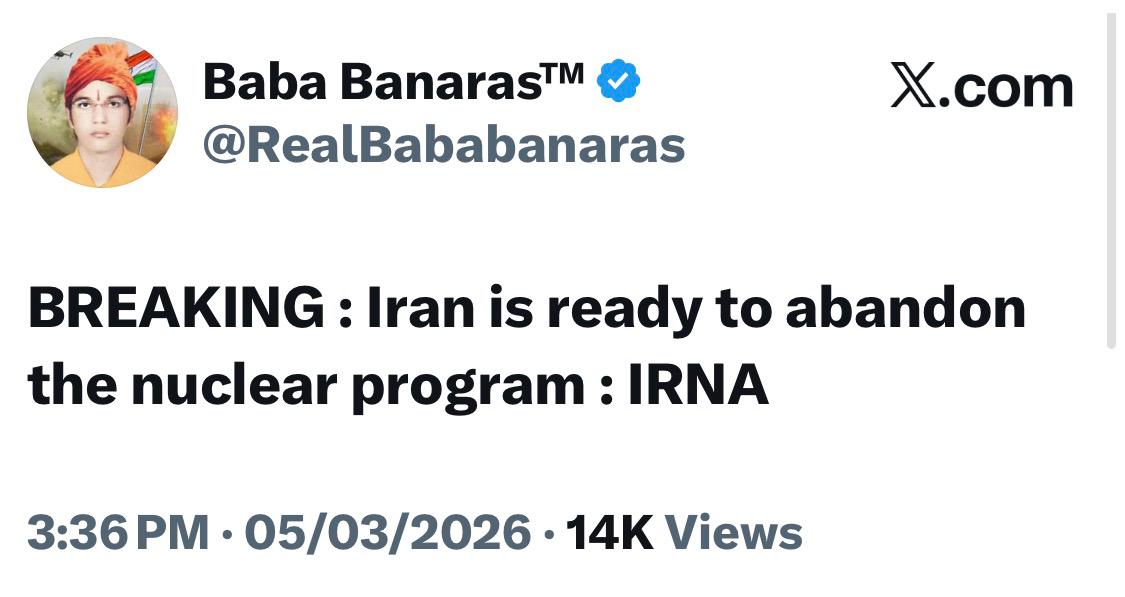
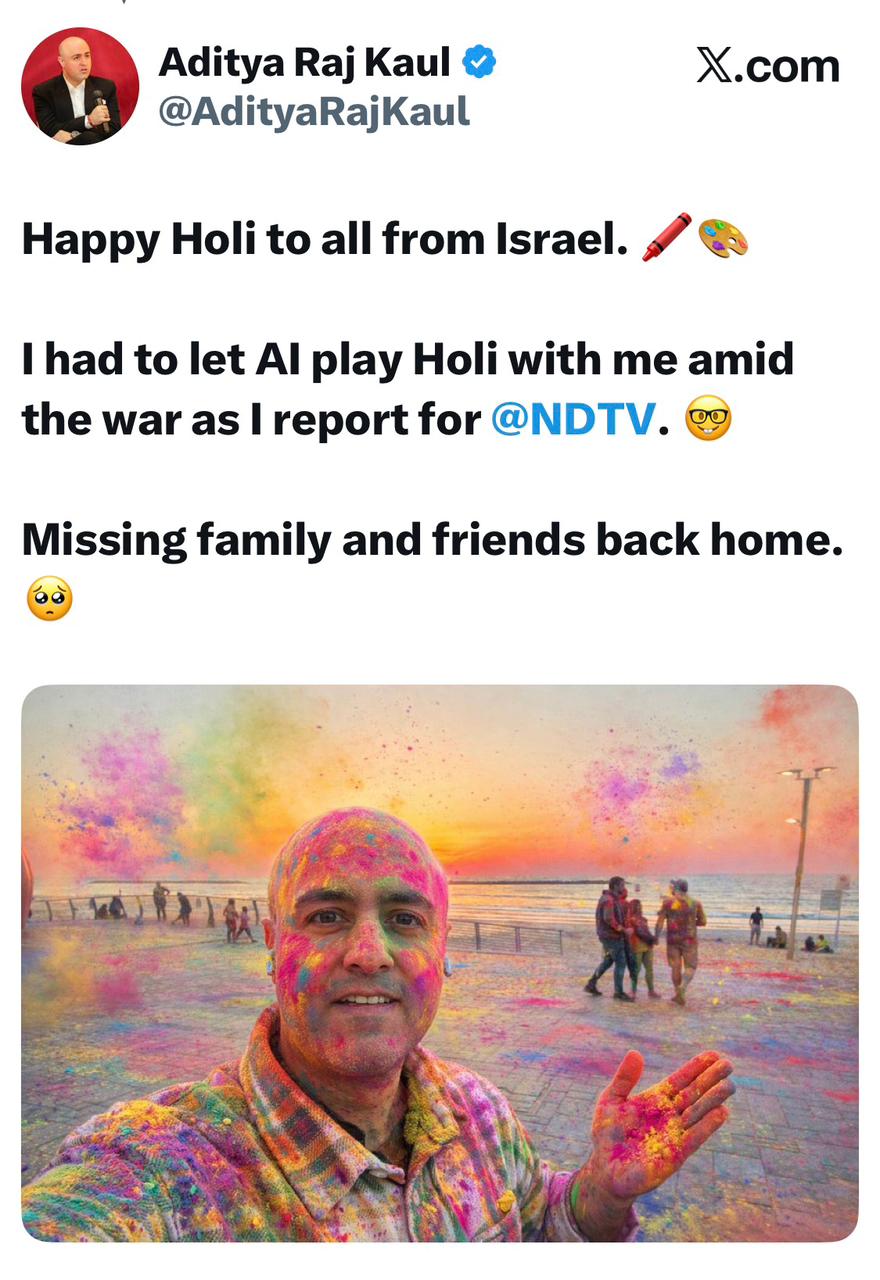
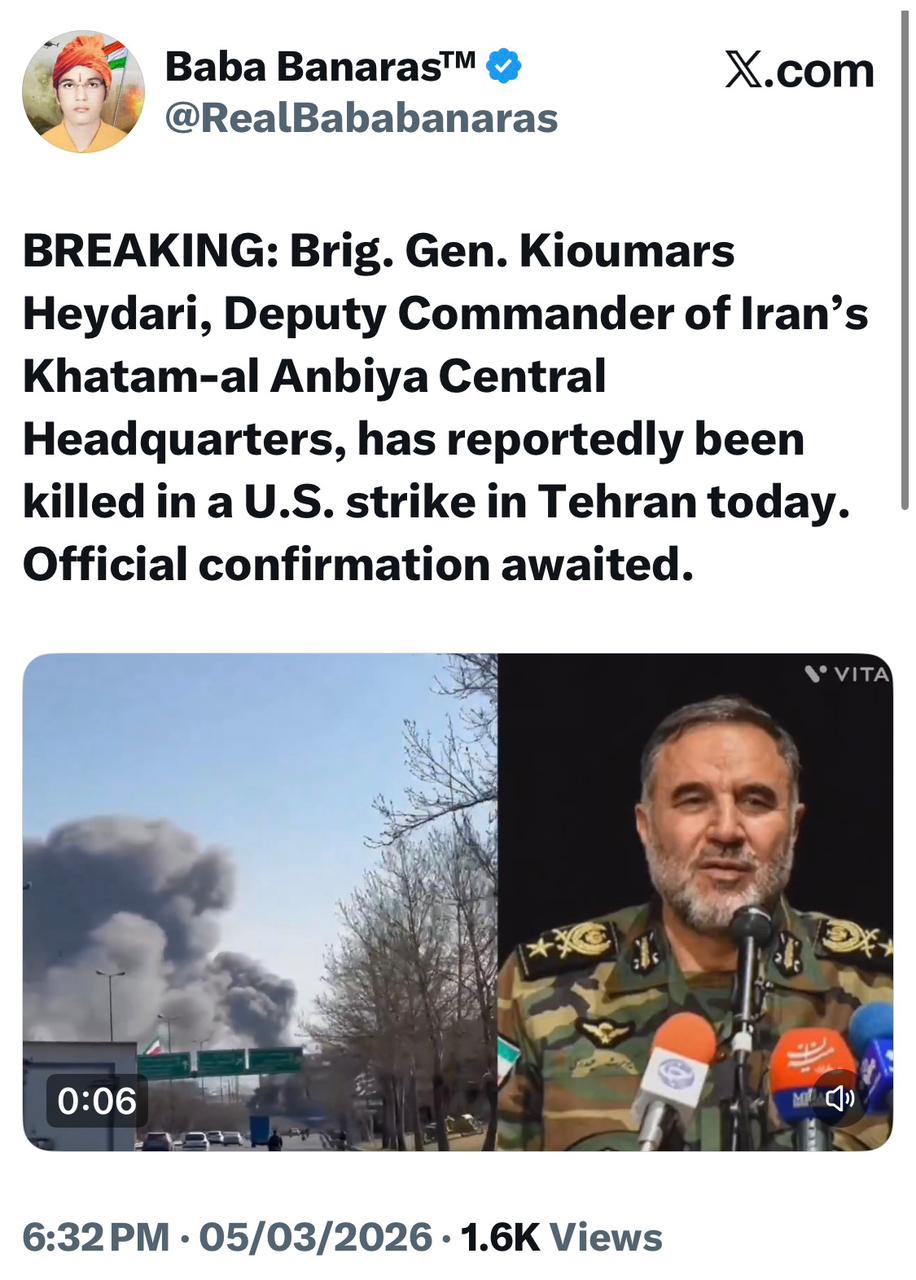
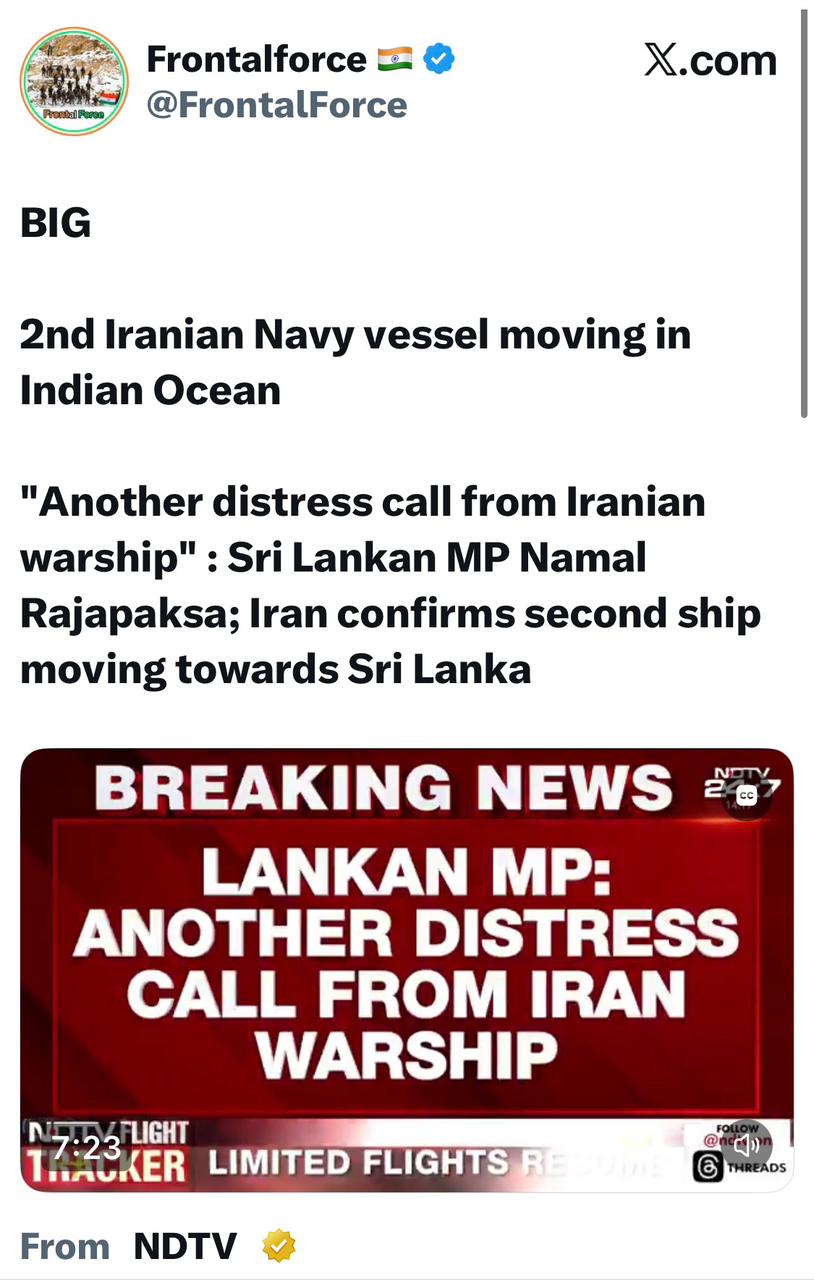
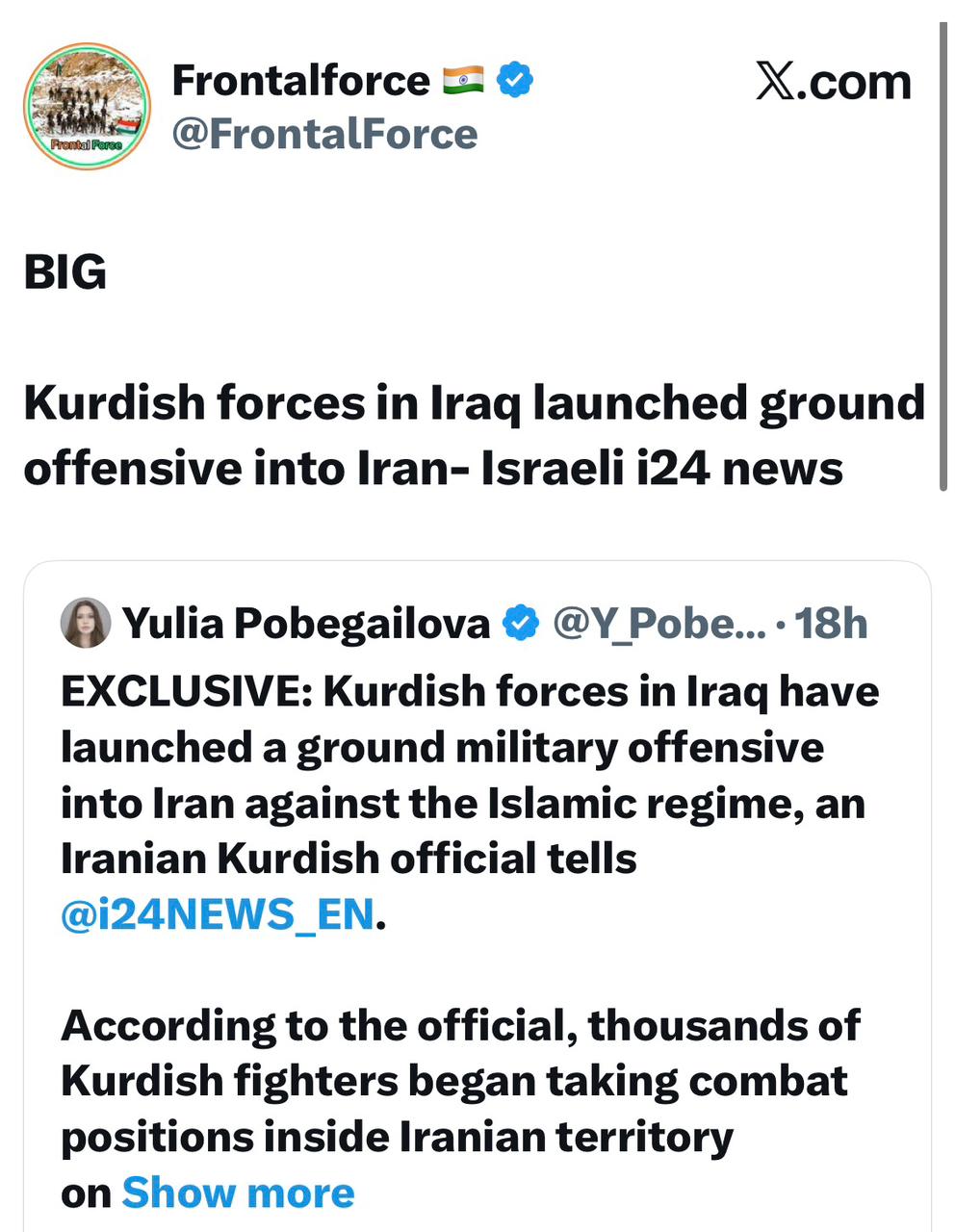
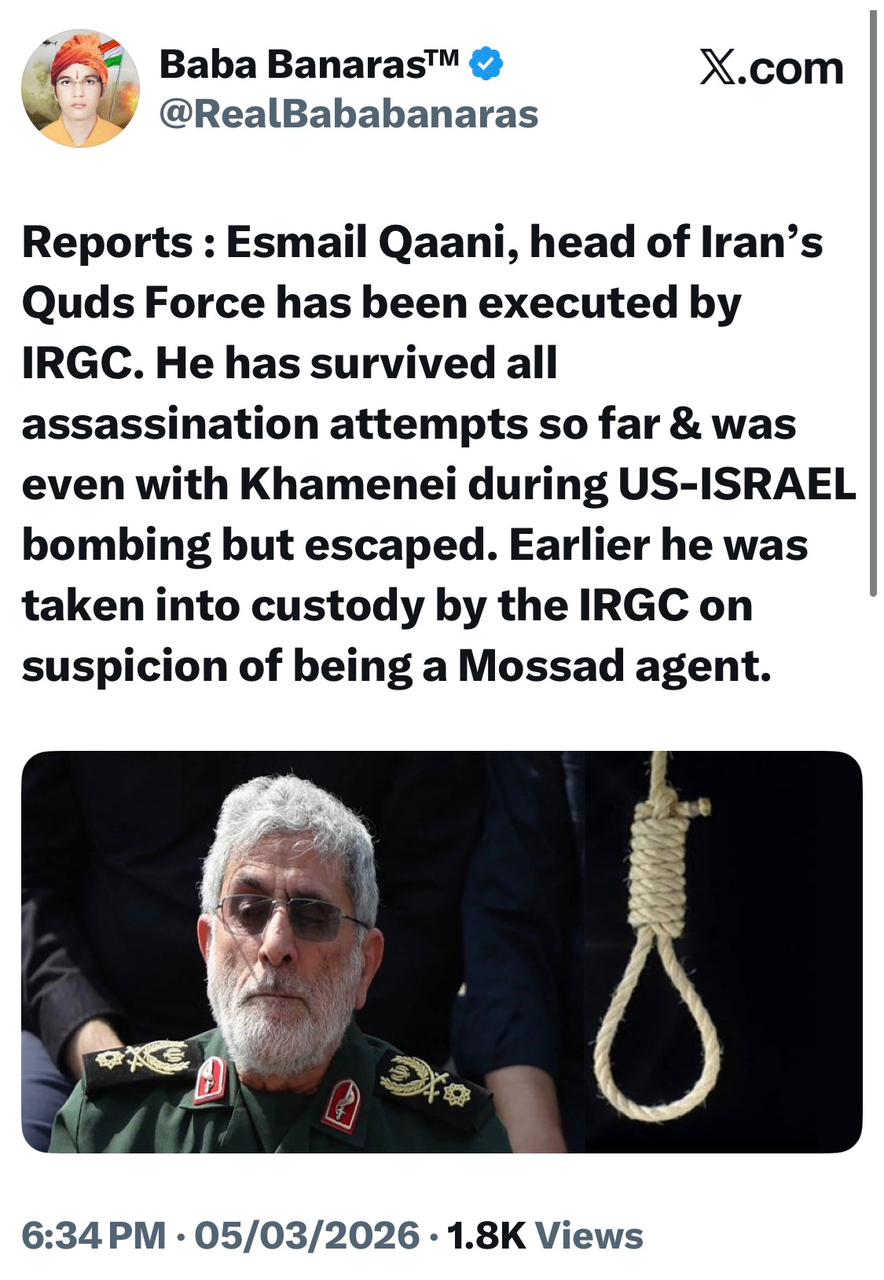
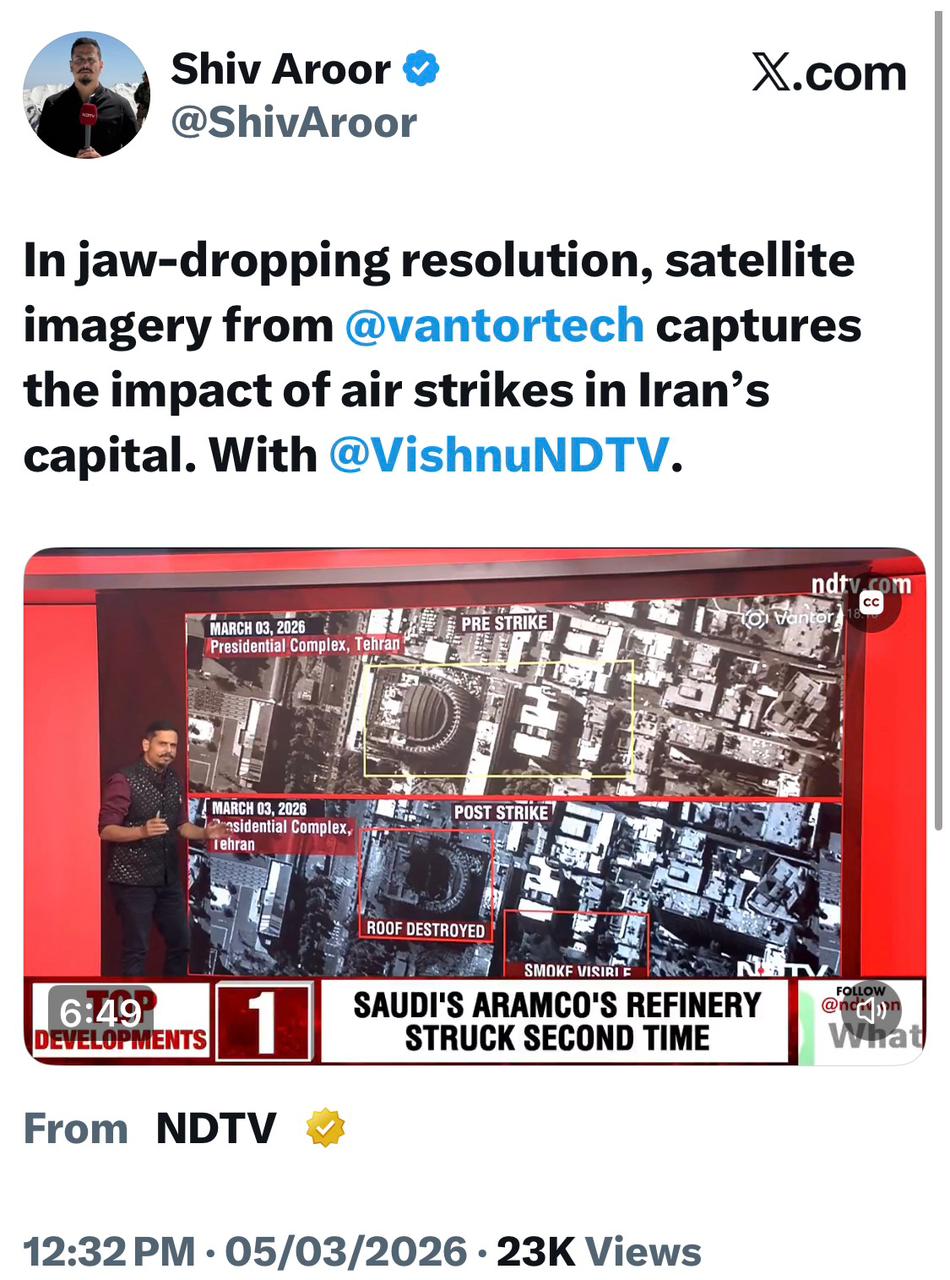
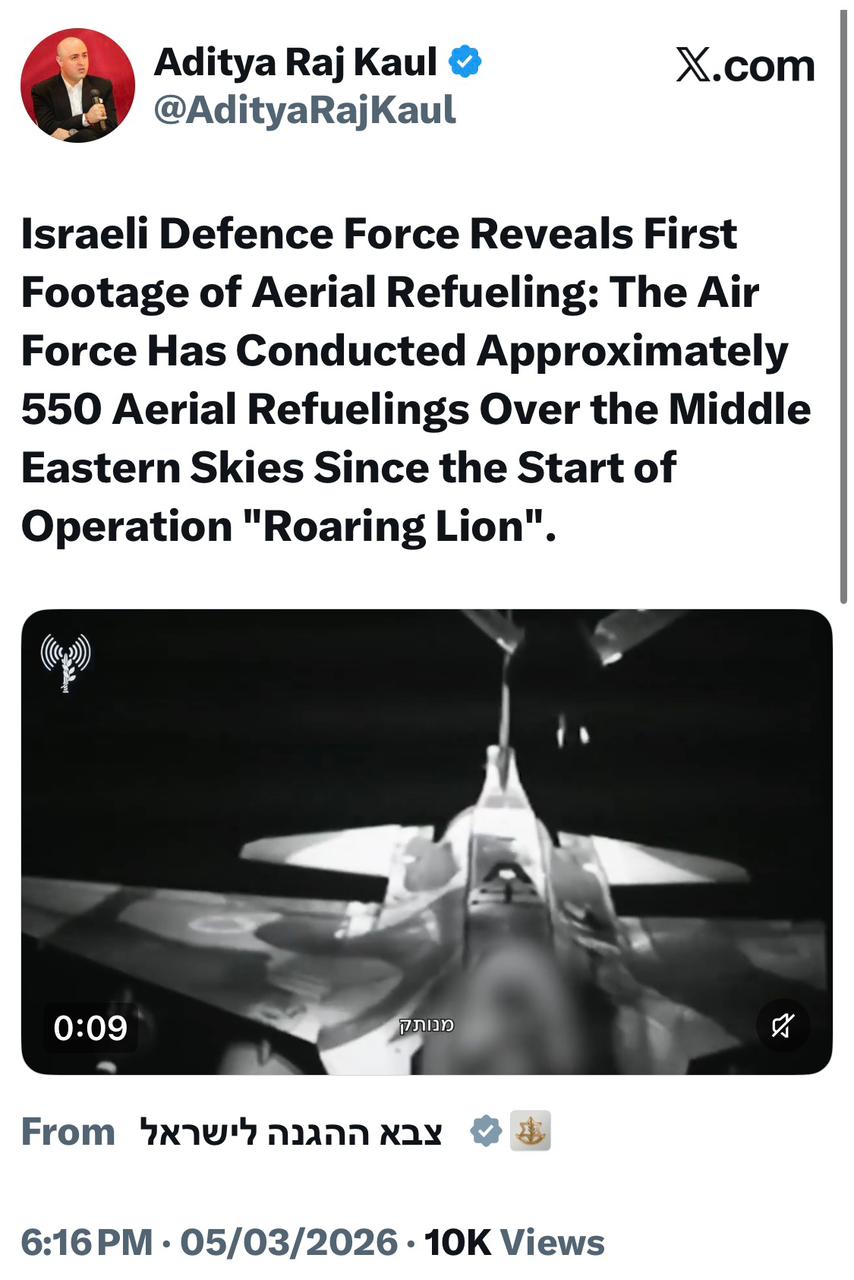
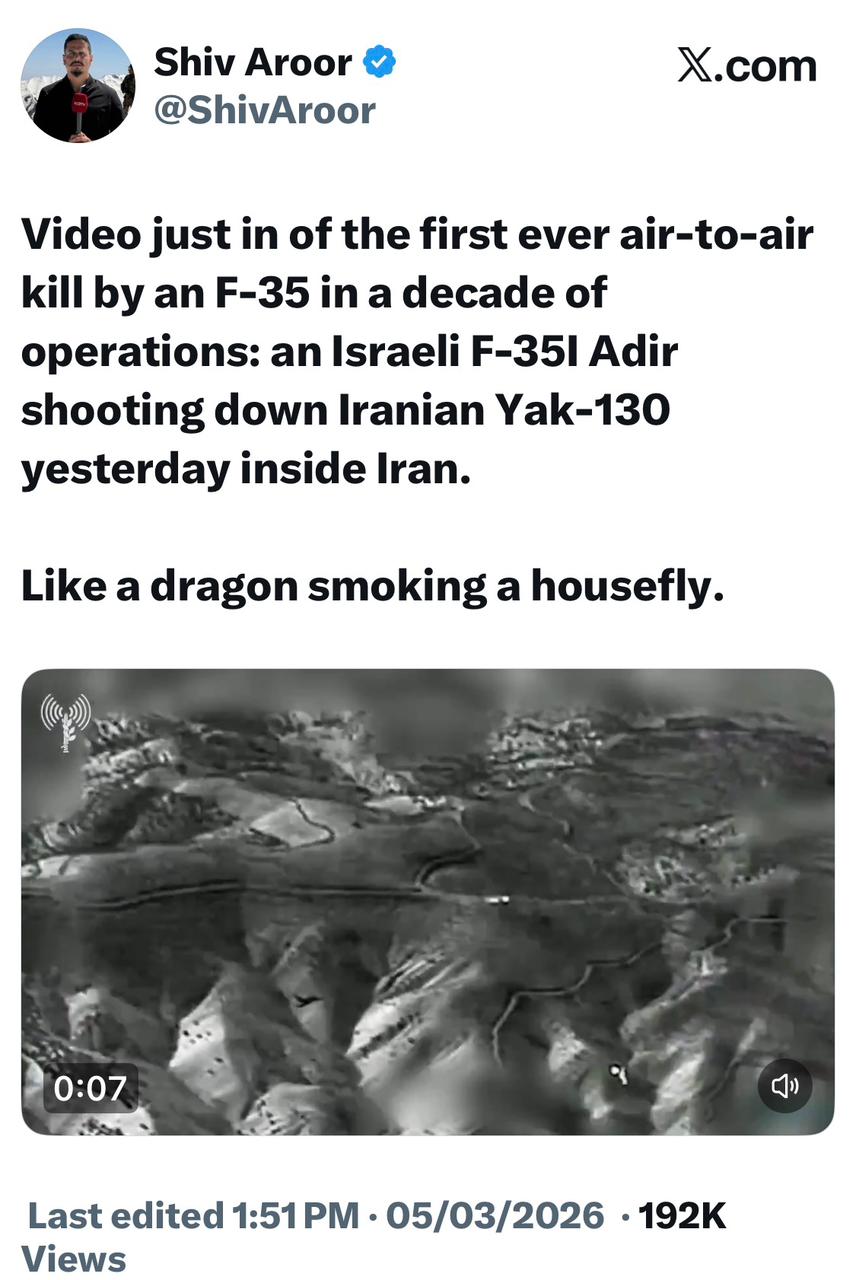
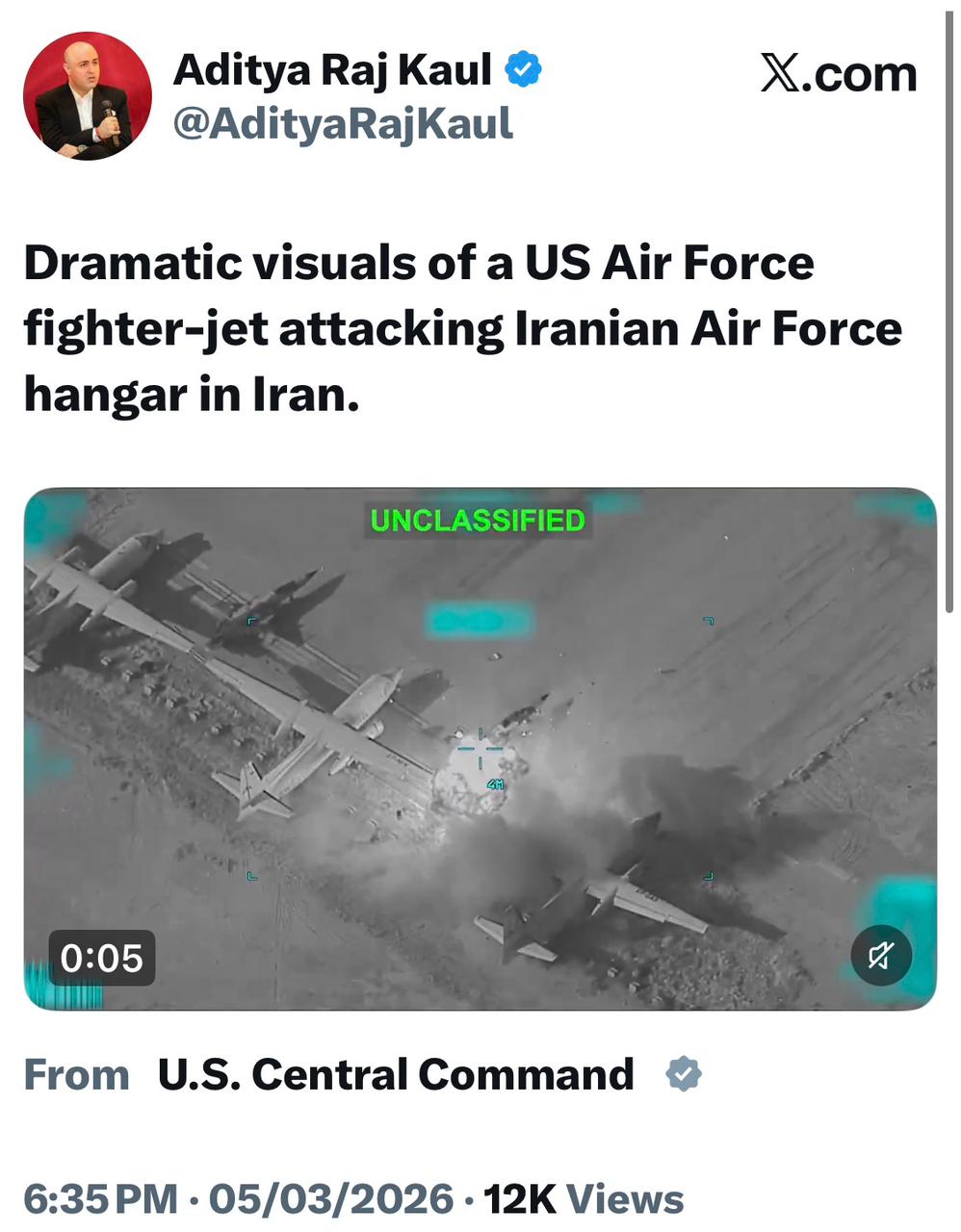
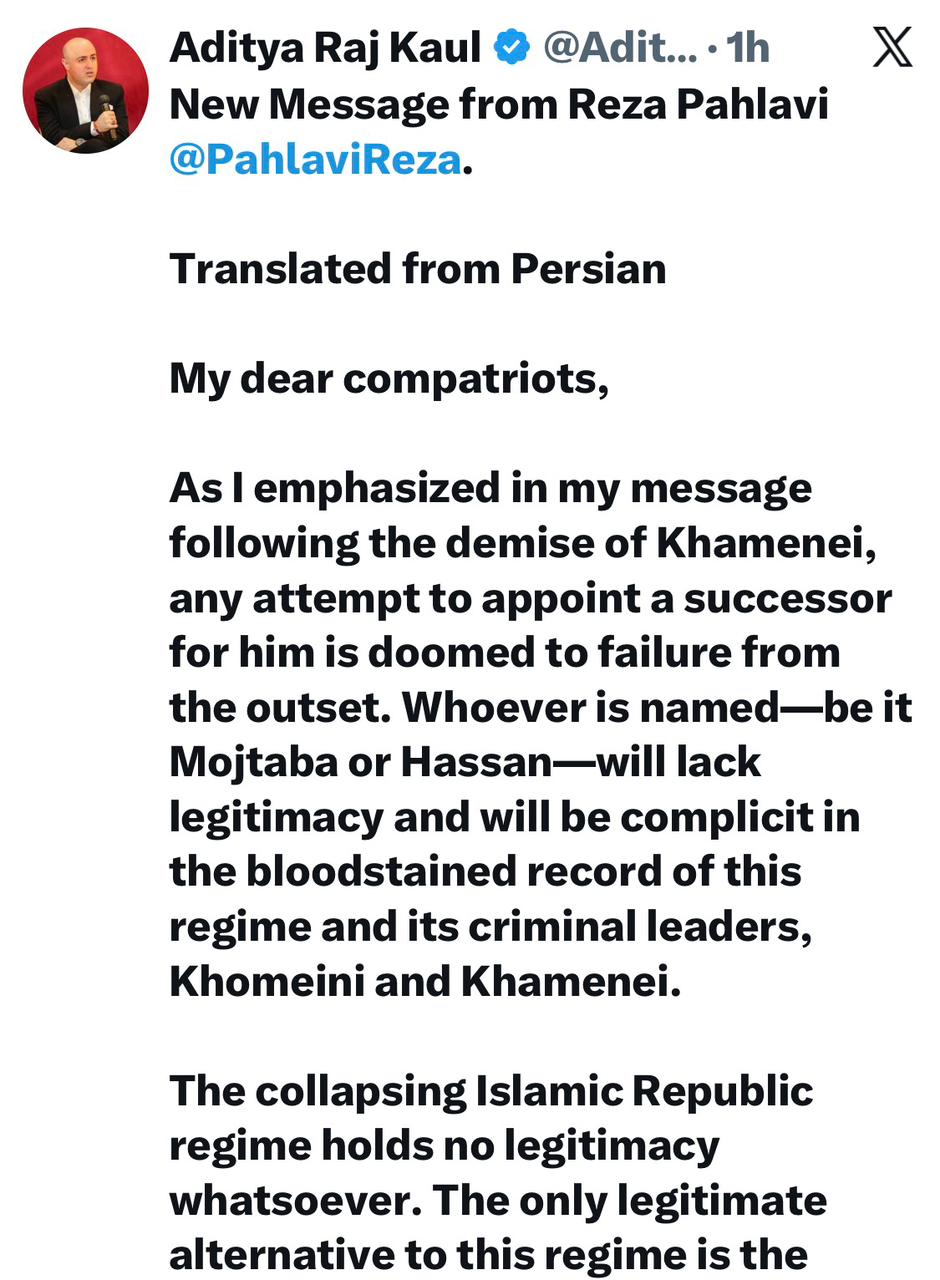
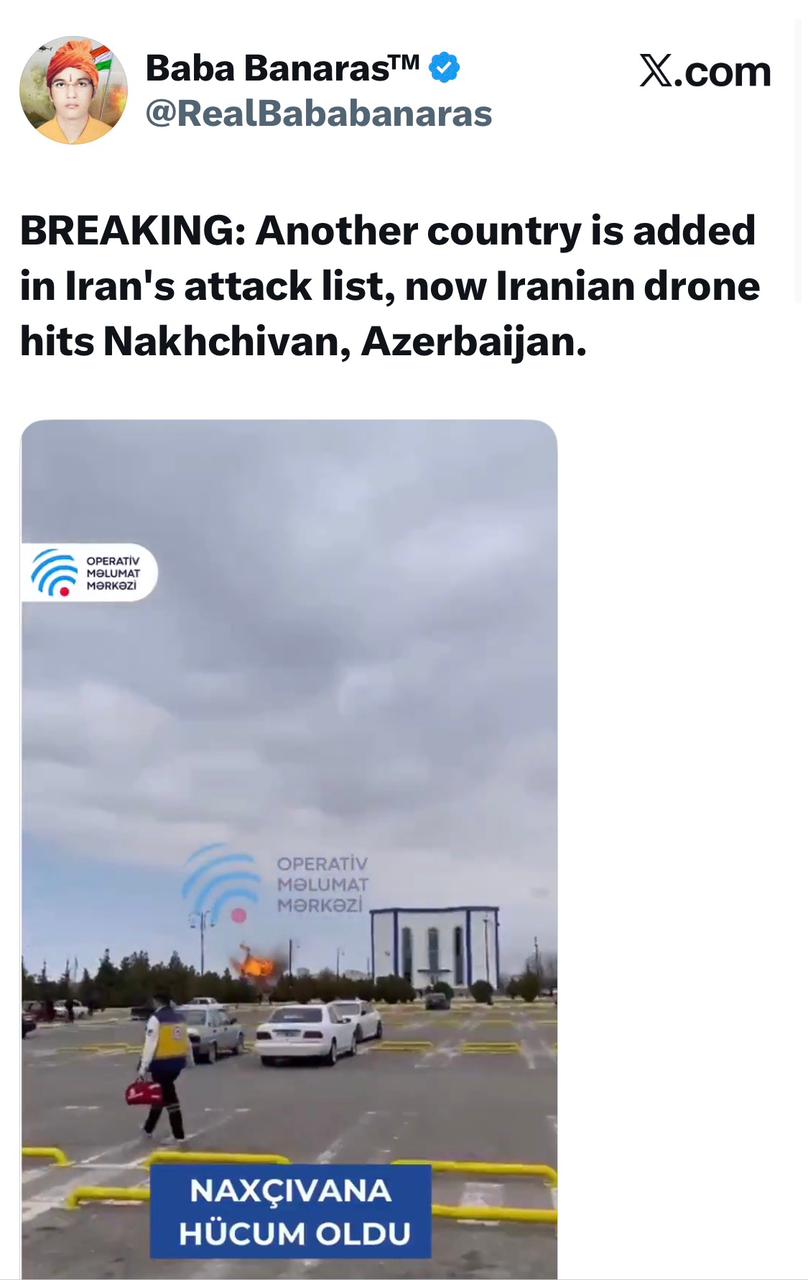
Screenshots allegedly showing Indian media personalities praising the destruction of Iranian facilities have gone viral, triggering anger among pro-Iran voices across social media. For many observers in Tehran and elsewhere, these narratives reinforce the perception that parts of India’s media ecosystem have adopted an openly pro-Israel posture.
Analysts suggest that this sentiment reflects both ideological alignment and the growing strategic partnership between India and Israel. Over the years, sections of Indian media and political discourse have increasingly embraced Israel as a model for security policy and counterterrorism strategy. This ideological affinity, combined with expanding defense cooperation, has shaped a narrative environment that often favors Israeli strategic perspectives.
Yet this apparent shift contrasts sharply with the historical foundation of India-Iran relations. For decades, the two countries maintained cooperative ties grounded in energy trade, cultural connections and strategic connectivity projects. Iran once served as a major supplier of crude oil to India, while the two nations collaborated on the development of Chabahar Port — a project that New Delhi views as essential for securing trade access to Afghanistan and Central Asia while bypassing Pakistan.
However, India gradually reduced its imports of Iranian oil after the United States imposed sanctions on Tehran. The decision was widely interpreted as an effort by New Delhi to avoid conflict with Washington and to preserve its broader strategic relationship with the United States. For many observers in Iran, this policy shift already signaled a gradual erosion of the once robust partnership between the two countries.
The current controversy, therefore, reflects more than just reactions to a single military confrontation. It highlights the increasingly complex geopolitics of West Asia, where countries like India must carefully navigate relationships with multiple rival powers. Maintaining ties with both Israel and Iran has always required diplomatic balancing, but the intensifying polarization in the region is making such balance increasingly difficult.
Political analysts warn that the emerging narrative — including accusations of an “Indian betrayal of the century” against Iran — could further strain relations between Tehran and New Delhi if such perceptions become entrenched within Iranian public discourse. Diplomatic relationships are shaped not only by official policies but also by public narratives, media portrayals and political rhetoric.
As the Iran-Israel confrontation continues to evolve, the debate within India illustrates how global conflicts increasingly reverberate across domestic political landscapes. Media narratives, opposition criticism and geopolitical alignments are all becoming integral components of the broader regional contest.
In this environment, India faces a delicate challenge. Preserving strategic partnerships with Israel while maintaining credibility with Iran and other West Asian states requires careful diplomacy and a measured public narrative. Whether New Delhi can restore the balance that once defined its regional policy may determine not only the future of its relationship with Tehran but also its broader role in the geopolitics of West Asia.

