
By Dr Akhtar Hussain Sandhu
How teachers and students can benefit from meetings and direct interaction with practitioners such as Judges, attorneys, and officers having vast experience of working in the Executive, Legislative and Judiciary is a fascinating concept to permeate awareness and confidence among Americans. How to teach the ‘US Constitution’ to students and instill a sense of responsibility among citizens seems an important priority for the US government. Educational institutions produce officers, lawyers, businesspersons, media persons, teachers, statesmen, politicians, writers, scientists, technicians, judges, medical practitioners, and responsible citizens; therefore, a country’s development can be gauged on the standards and quality of education in its educational institutions. Posterity needs not only bookish knowledge but also civic sense, sports, research mindset, and professional approach.
“The workshop on ‘separation of powers’ organized by Judge John F. Grady Summer Institute for Teachers on July 16, 2026”
A student ought to learn the law of the land, rights and duties, and understand how to approach state institutions if required. Pakistan is yet to get rid of the colonized mindset that convinces the privileged classes to look down upon the masses. Power and money are the determinants of individual success which has maintained a few family-based rule in Pakistan. Ruling families often bargain with the establishment and secure power and money, which highlights a problem directly with the education system and its functioning. Such an environment results in educational suffocation and ultimately damages state institutions. In Pakistan, Judges, officers, and others in the power corridors are not allowed to mingle with the people but here in the USA, Judges meet with school students and teachers to stabilize their trust in the Judiciary and other institutions under the US Constitution. I experienced a fascinating workshop on ‘separation of powers’ organized by Judge John F. Grady Summer Institute for Teachers on July 16, 2026 at Dirksen Federal Building, James B. Parsons Ceremonial Courtroom, 2525, 219 South Dearborn Street, Chicago (Illinois). Judge John F. Grady used to acknowledge that his school teachers had impacted his life immensely. The JJFG Summer Institute organizes such a workshop every year to create a better understanding of the Constitution, the rule of law, and courts for the next generations. Interestingly, there was no compulsion under the service rules to join, but even then the teachers’ interest in the program showed their dedication and the immense importance of the program. During the last six years, the Institute prepared 150 educators who further reached at least 75,00 young students. These educators shared the content and constructive experience with their colleagues and families, which broadens the scope and utility of the Summer Institute and its programs. The media coverage carries this message to the people concerned and interested circles.
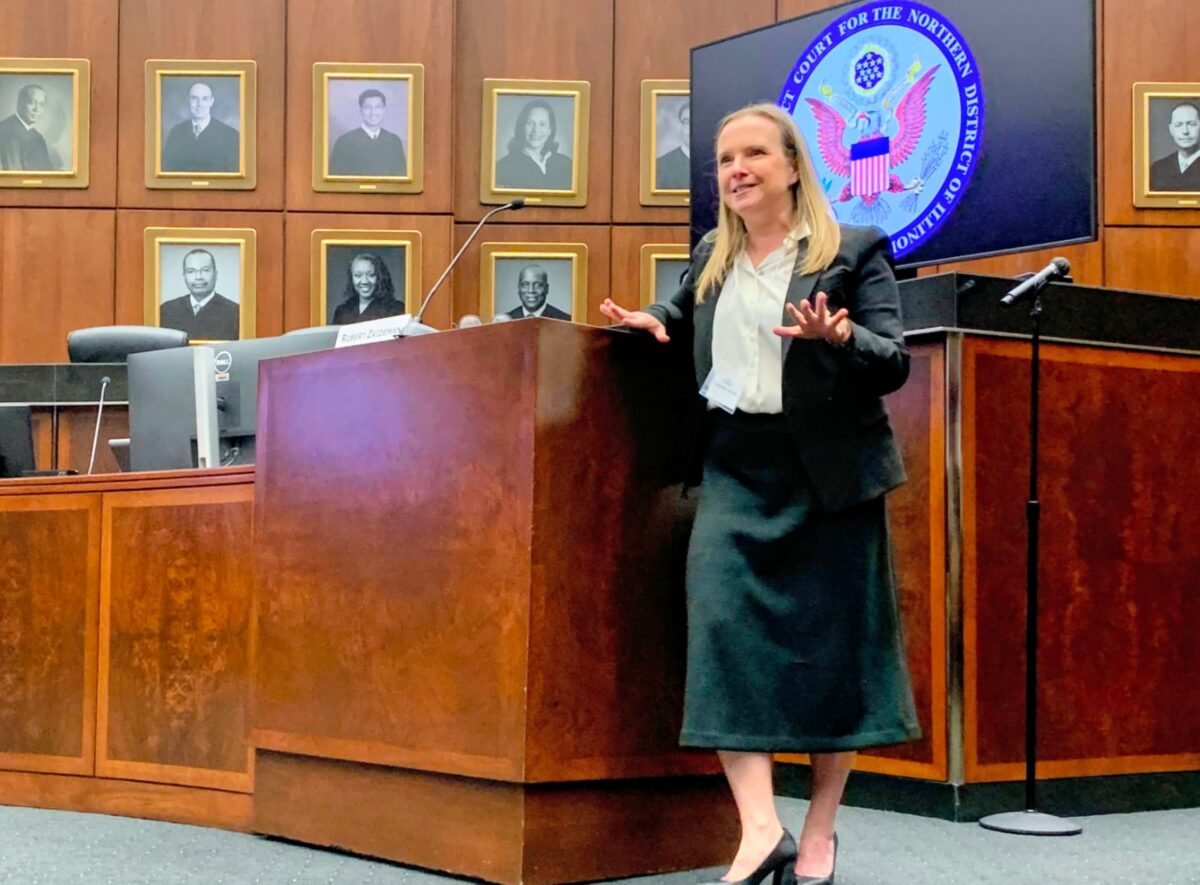
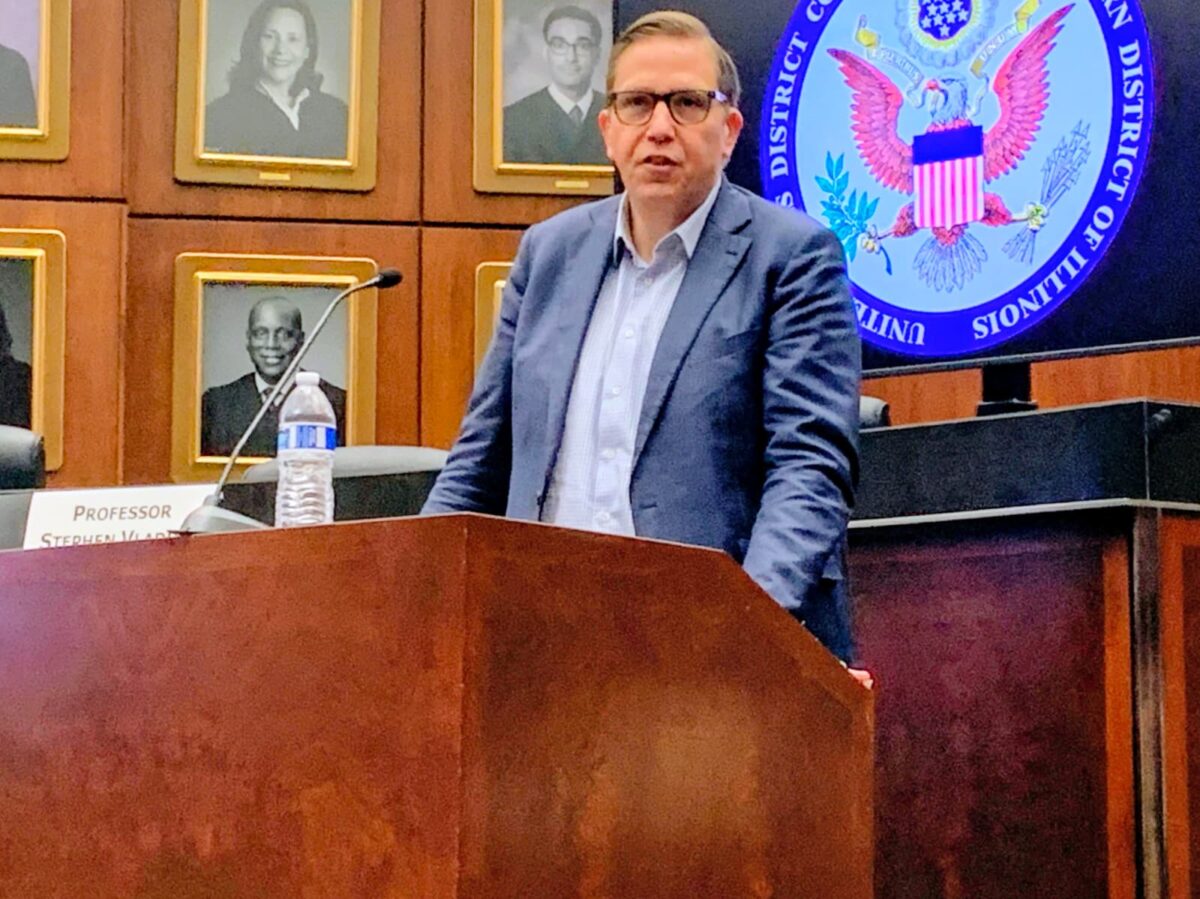
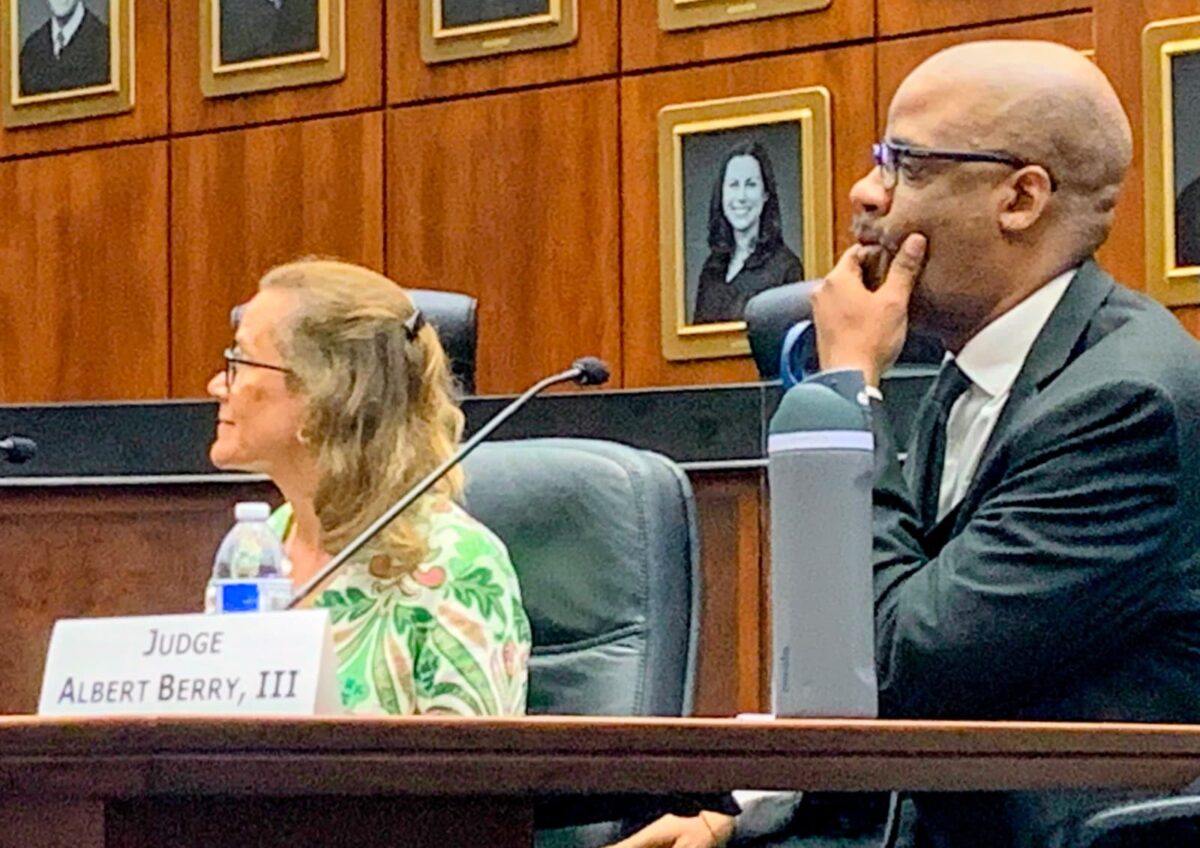
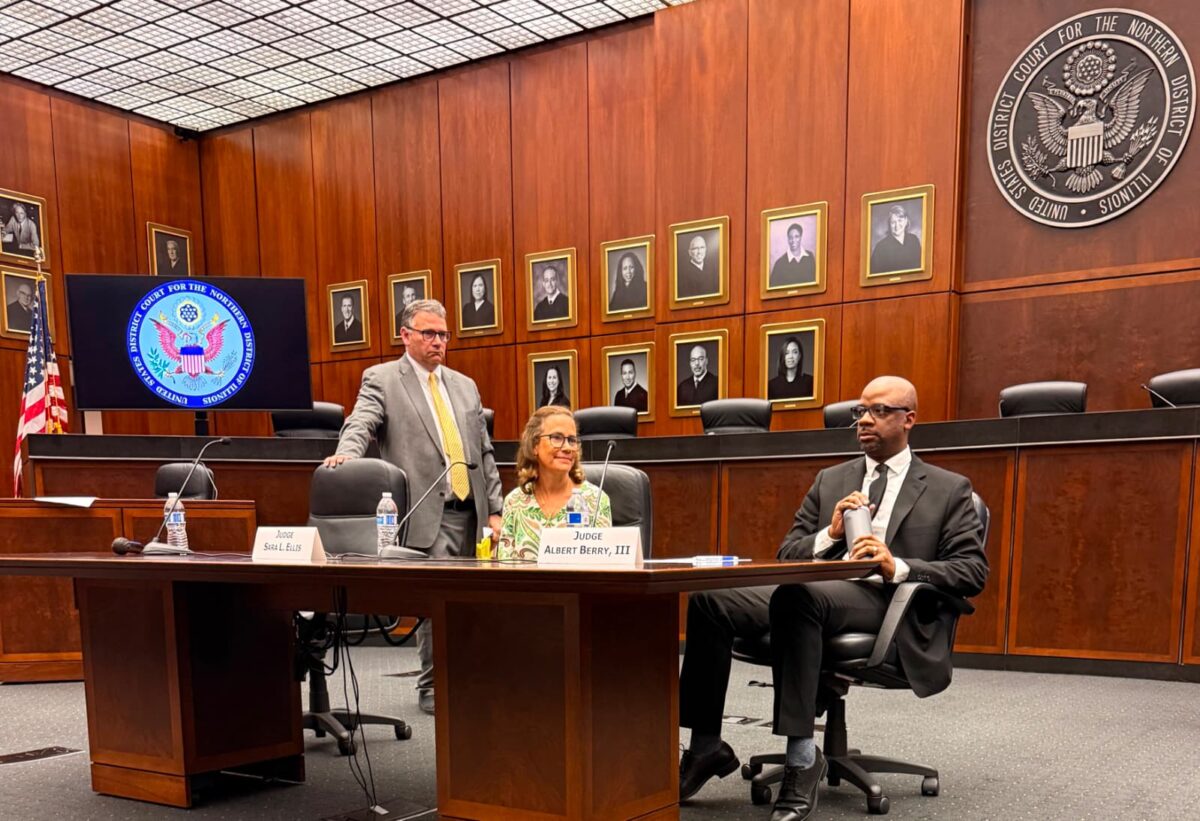
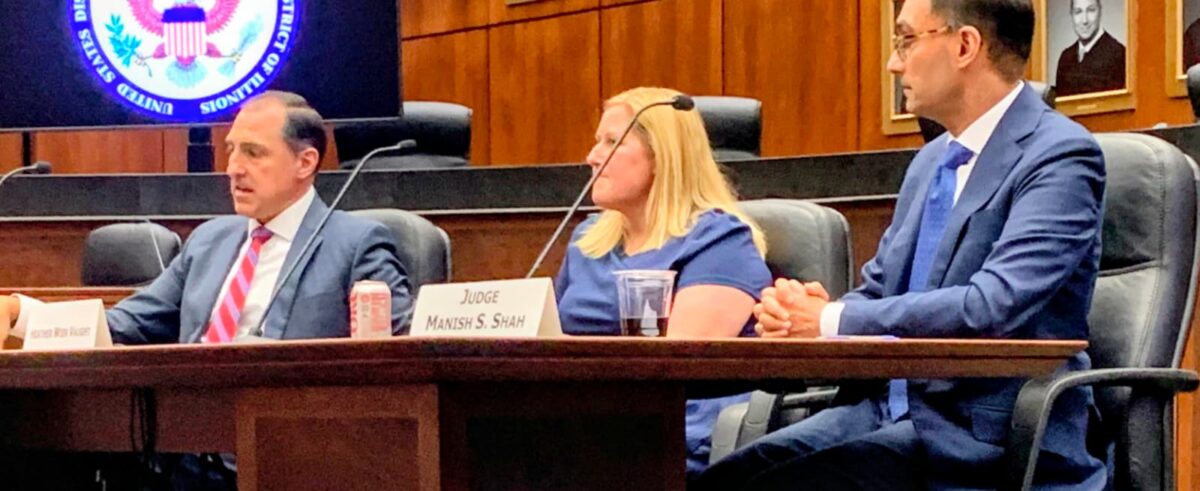
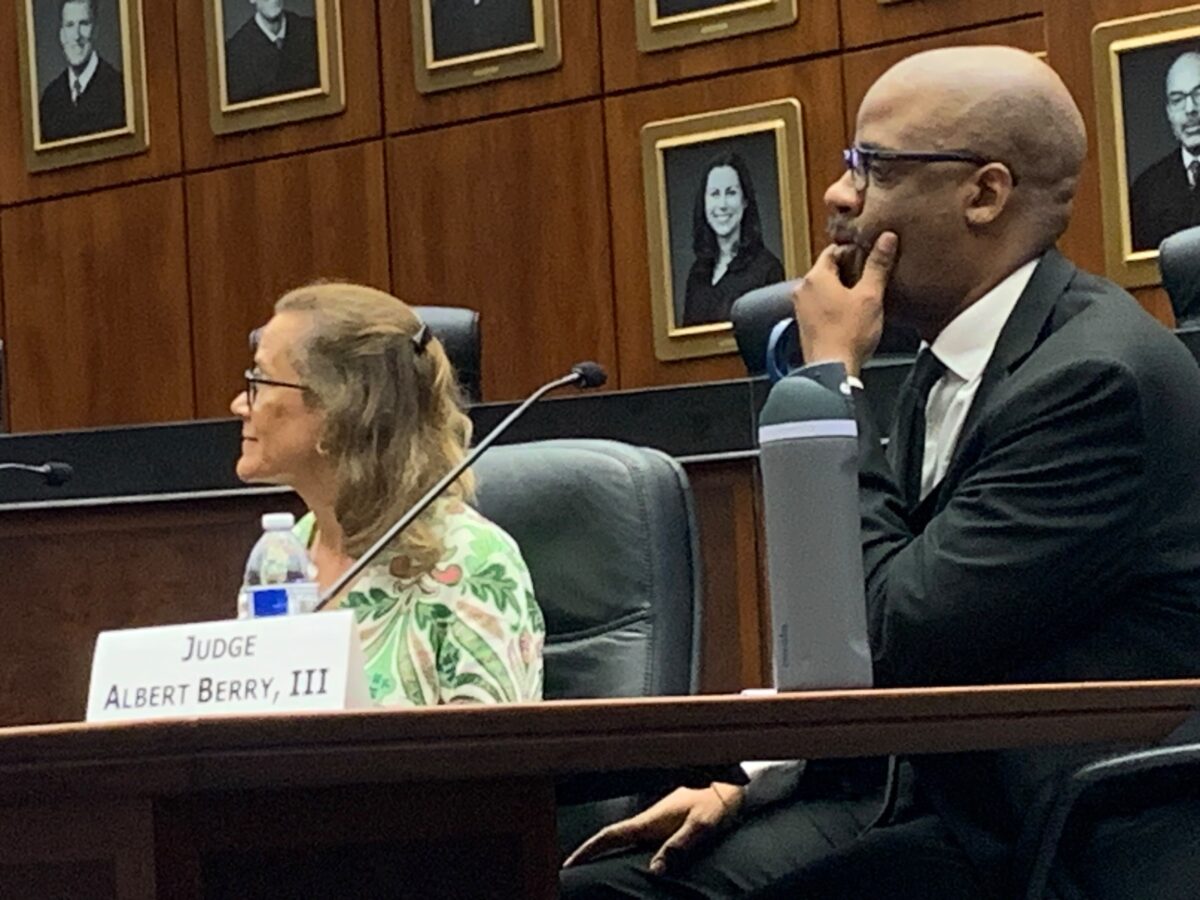
The one-day training or workshop for the educators aimed to equip them with firsthand knowledge about the three major organs of the US political system. After this capacity-building program, the teachers with a better understanding will be able to enlighten their students in a better way. Imparting such information will better serve the purpose of making US youth familiar with the political and particularly the judicial workings in the US.
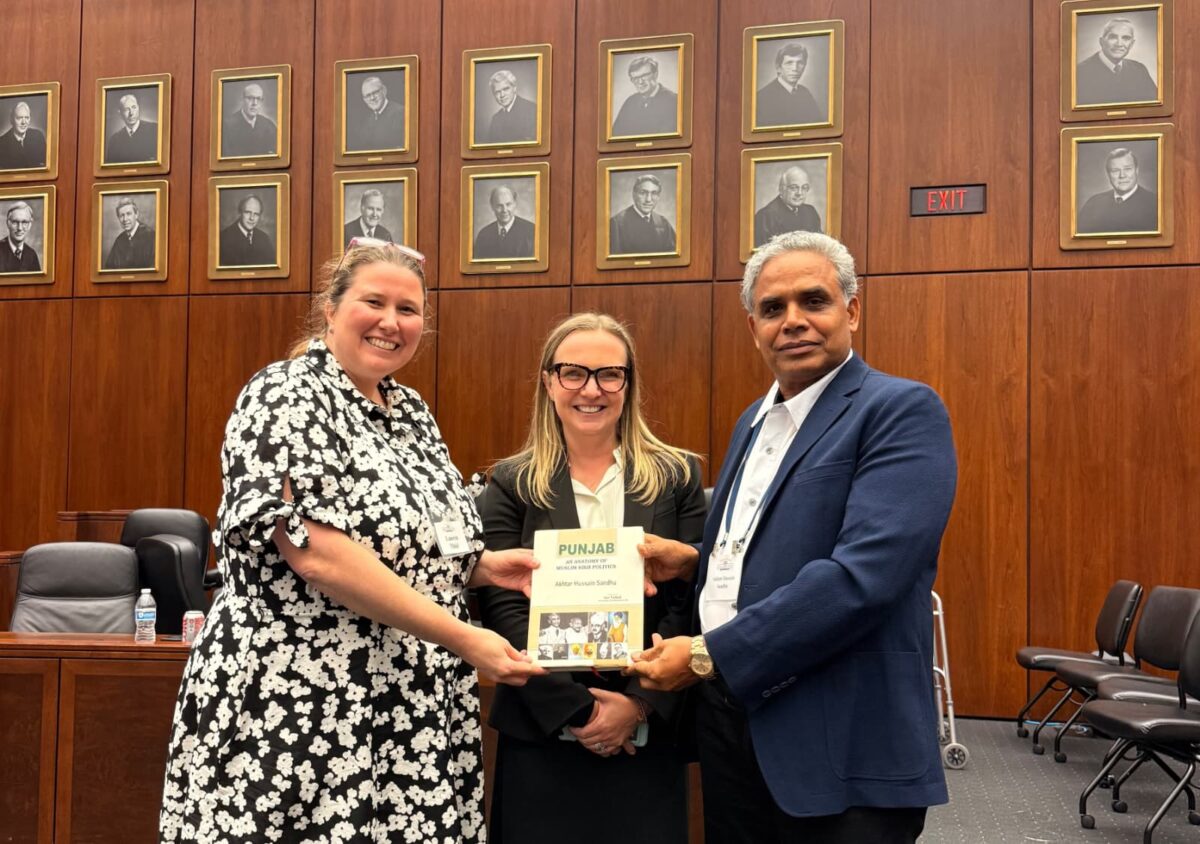
Administrator Lauren Thiel, who graduated from Lewis University, performed marvelously in dispensing her duties to organize such a wonderful training. Lauren Thiel, Public Services Administrator for the US District Court for the Northern District of Illinois, possesses extensive experience in creating civics education partnership opportunities for teachers and students. She has been engaged in creative activities such as the Bill of Rights event and Virtual program, moot courts and student field trips. I presented my book entitled Punjab: An Anatomy of Muslim Sikh Politics to her along with Catherine Hawke, who studied at the University of Michigan and Loyola University Chicago School of Law, and currently serves as an Editor of Preview of United States Supreme Court Cases and Deputy Director of educational programs with the Division for Public Education. Catherine Hawke conducted this one-day event perfectly in a congenial way. She briefed attendees on the objectives of the training workshop and managed various sessions and segments of the event. The team management, friendly environment and accurate arrangements made this workshop a great success. The file provided by the management contained a form that offered the participants the opportunity to arrange field trips for their students.
Catherine Hawke welcomed the educators coming from different schools of the city. She spoke on ‘Curriculum Connection: Understanding Stare Decisis.’ Eminent scholar and Professor of Law at the Georgetown University Law Center Prof. Stephen I. Vladeck shared a valuable historical journey of ‘separation of powers.’ His discussion ranged back to the Founding Fathers and the divergent stances of different political eras. The teachers were further divided into groups and taken to the courtrooms, where Honorable Judges were busy in the proceedings of cases. The courtroom visit proved an interesting experience for all groups. I attended the Courtroom while a proceeding was underway on the Chase (Bank) versus Dr. Rao case. Defense and plaintiff lawyers were arguing professionally, but neither lawyer was addressing the Judge; instead, they were addressing 12 people seated on the right side of the Courtroom. Jury members are taken from all counties or areas. The concept of a jury is to involve local people in the administration of justice. The jurors attend the proceeding, observe the witnesses carefully and participate in the deliberations to reach an impartial and just verdict. They follow the instructions of the judge and maintain the confidentiality of the trial proceedings until the finality of the case.
After a delicious lunch and a debriefing on the courtroom visit, the next component of this one-day workshop or seminar was to hear from three representatives of the three branches of the US Constitutional system, namely the Executive, Legislative, and Judiciary. In this session, John Lausch (former Attorney for the Northern District of Illinois), Heather Wier Vaught (Government Solutions Groups) and Honorable Manish Suresh Shah (US District Court Judge), a law graduate from the University of Chicago Law School, talked about the separation of powers. A Noteworthy point is that a US District Court Judge is appointed by the US President. Their discussion and replies to the questions raised by the teachers revealed their professionalism, expertise and knowledge-based debate. The panel impressively adopted a friendly and decent dialogue. Catherine Hawke created a debate on how to ‘brainstorm ways to address the content from these discussions in their classrooms.’
Judges’ perspectives on Separation of Powers were the next session and the panel included Honorable Sara L. Ellis (US District Court Judge), graduated from the Indiana University and Loyola University Chicago, Honorable Albert Berry III (US Magistrate Court Judge) and Honorable Gabriel Fuentes (US Magistrate Court Judge), graduated from Northwestern University Pritzker School of Law, who presented their insightful views on the subject. Many teachers raised several points, which the panel responded to. Lauren Thiel and Catherine Hawke thanked the Honorable Judges, Attorneys, and the educators for gracing the occasion.
Note: Writer Akhtar Hussain Sandhu is historian & columnist from Chicago (Illinois) and can be reached via email as follow:

