
Press Release: Islamabad, Pakistan – Federal College of Education, in collaboration with Career Konnect, successfully organized the AI EdTech Summit 2026 at Best Western Hotel Islamabad. The summit brought together leading educationists, policymakers, researchers, development experts, technology leaders, and industry stakeholders to discuss the transformative role of Artificial Intelligence (AI) in Pakistan’s education sector.
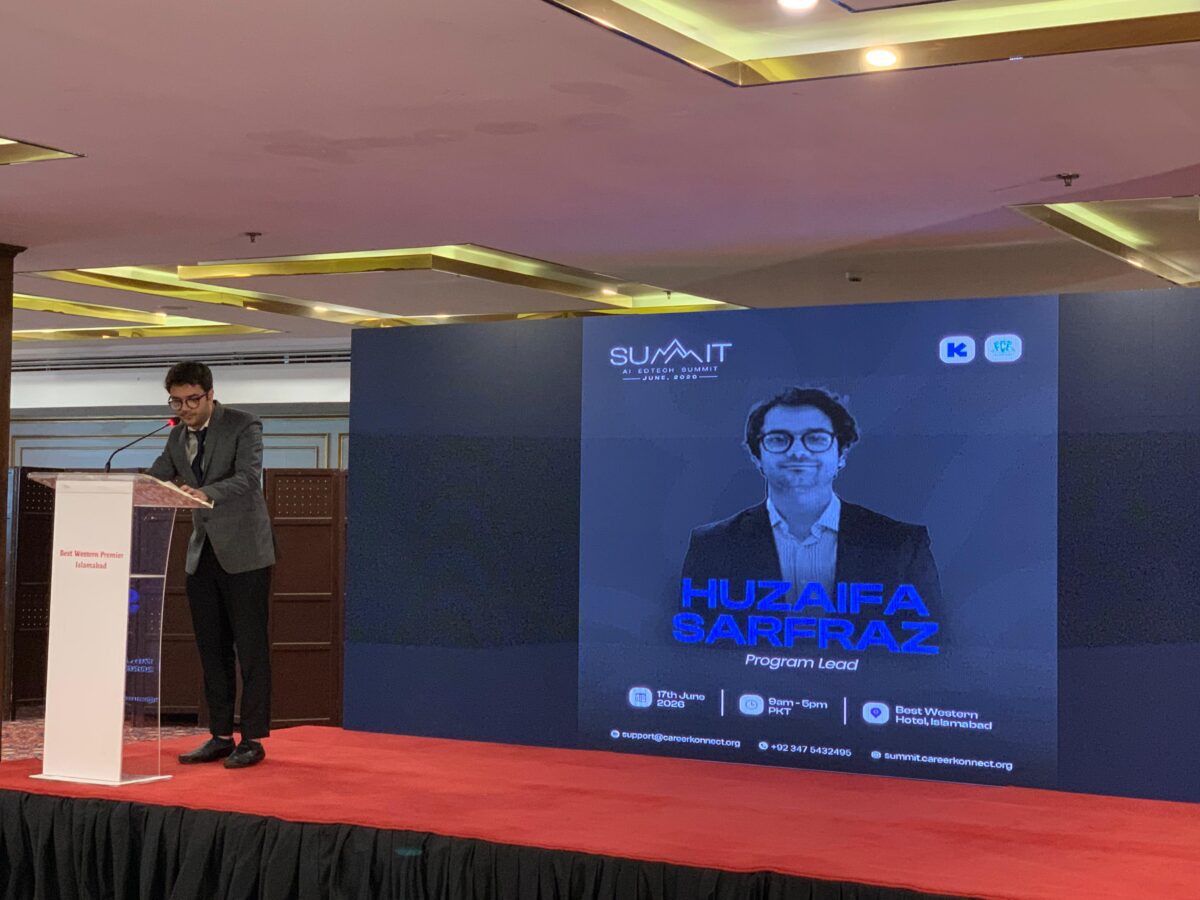
The summit was chaired by Dr. Samia Dogar, while Huzaifa Sarfraz, Founder of Career Konnect, served as Program Lead. The event was moderated by Anosha Zia and Misbah Muzaffar.
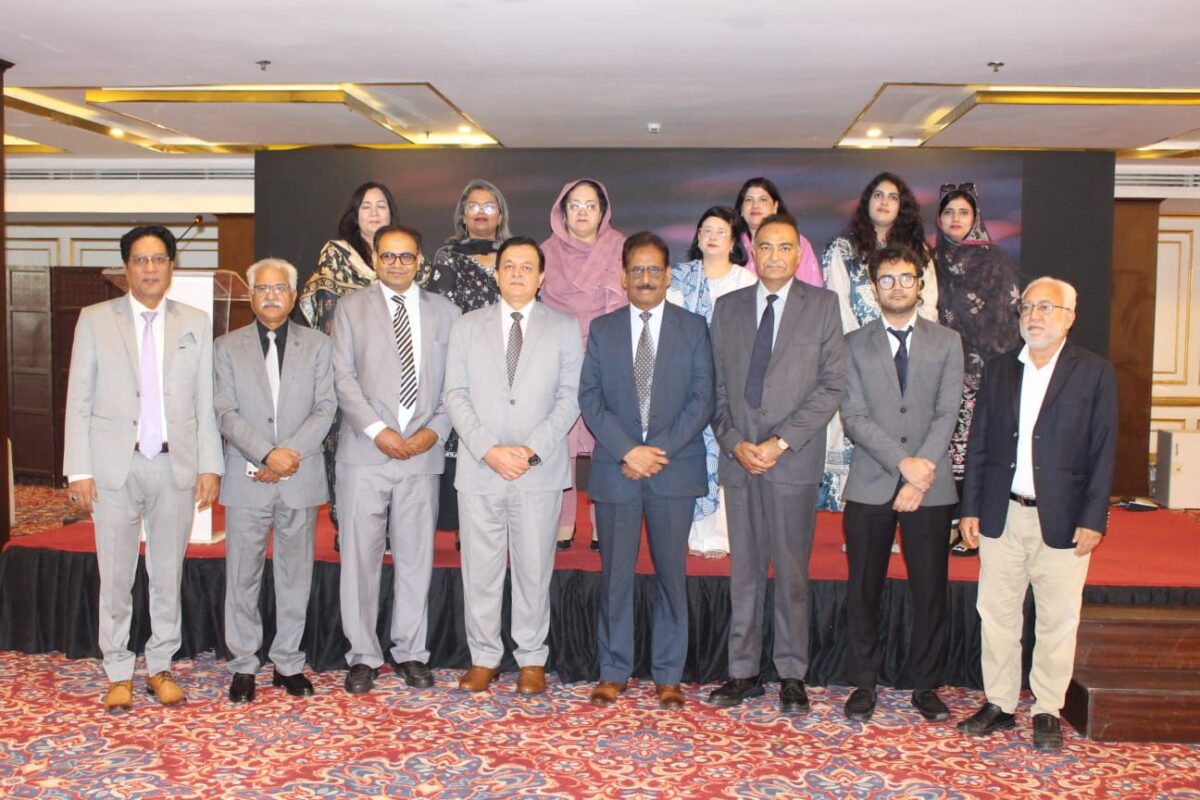
In his keynote address, Dr. Mohsin Raza, Rector Northern University, emphasized that AI is redefining teaching, learning, and research, and educational institutions must adapt to prepare students for future careers.
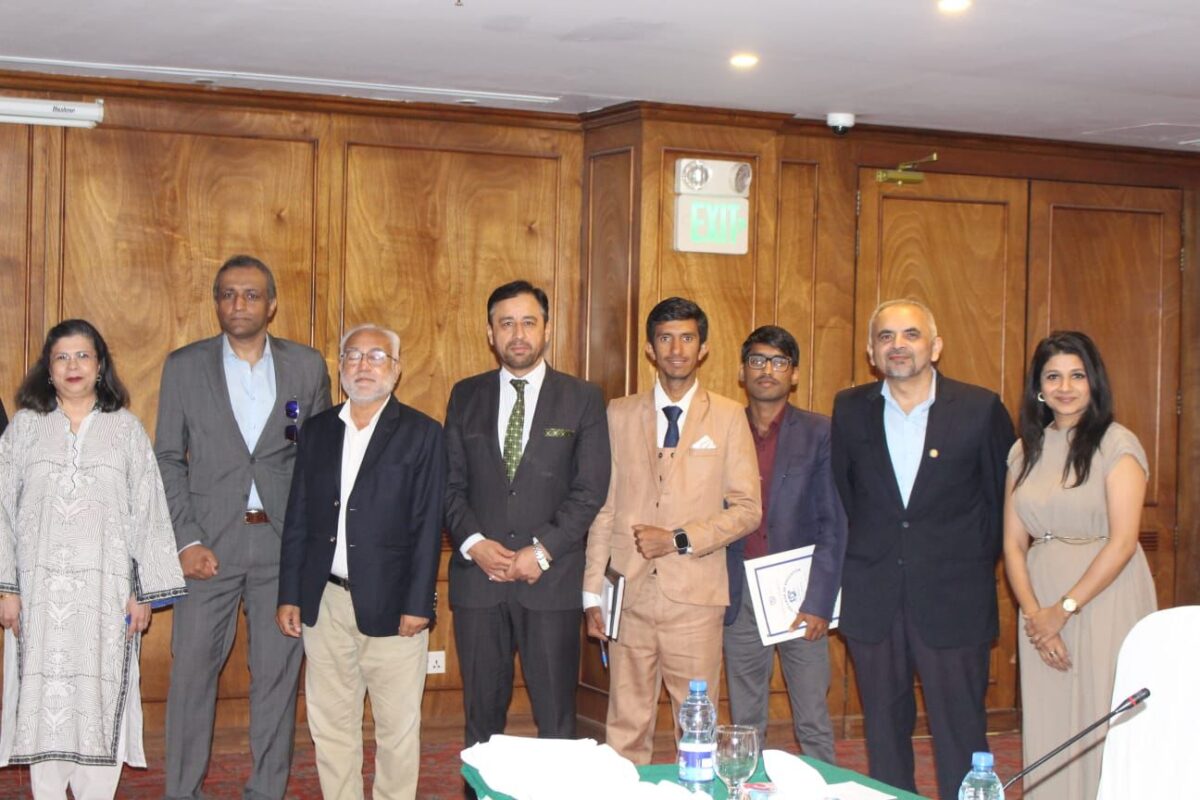
Dr. Shamsa Aziz, Secretary NACTE, highlighted the importance of integrating AI competencies into teacher education and accreditation frameworks to ensure quality and innovation in education.
Dr. Rehan Tanoli of Mediatiz Foundation stressed the need for responsible and ethical use of AI technologies while ensuring equitable access to digital learning opportunities.
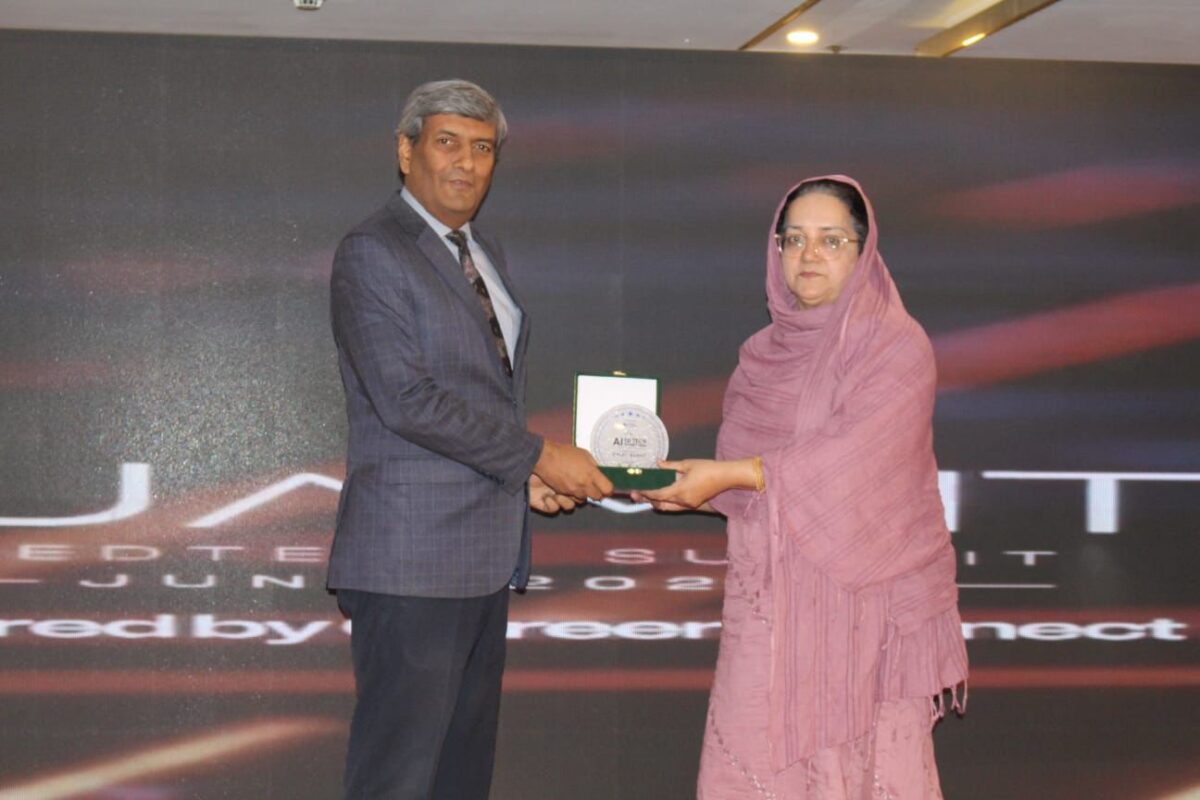
Dr. Yahya Tabish from the Google Research Team discussed global trends in AI-driven education, highlighting personalized learning systems, adaptive assessments, and data-driven educational decision-making.
Major General Muhammad Asghar, Director General Federal Government Educational Institutions, emphasized the importance of leveraging AI to improve learning outcomes, administrative efficiency, and educational accessibility across Pakistan.
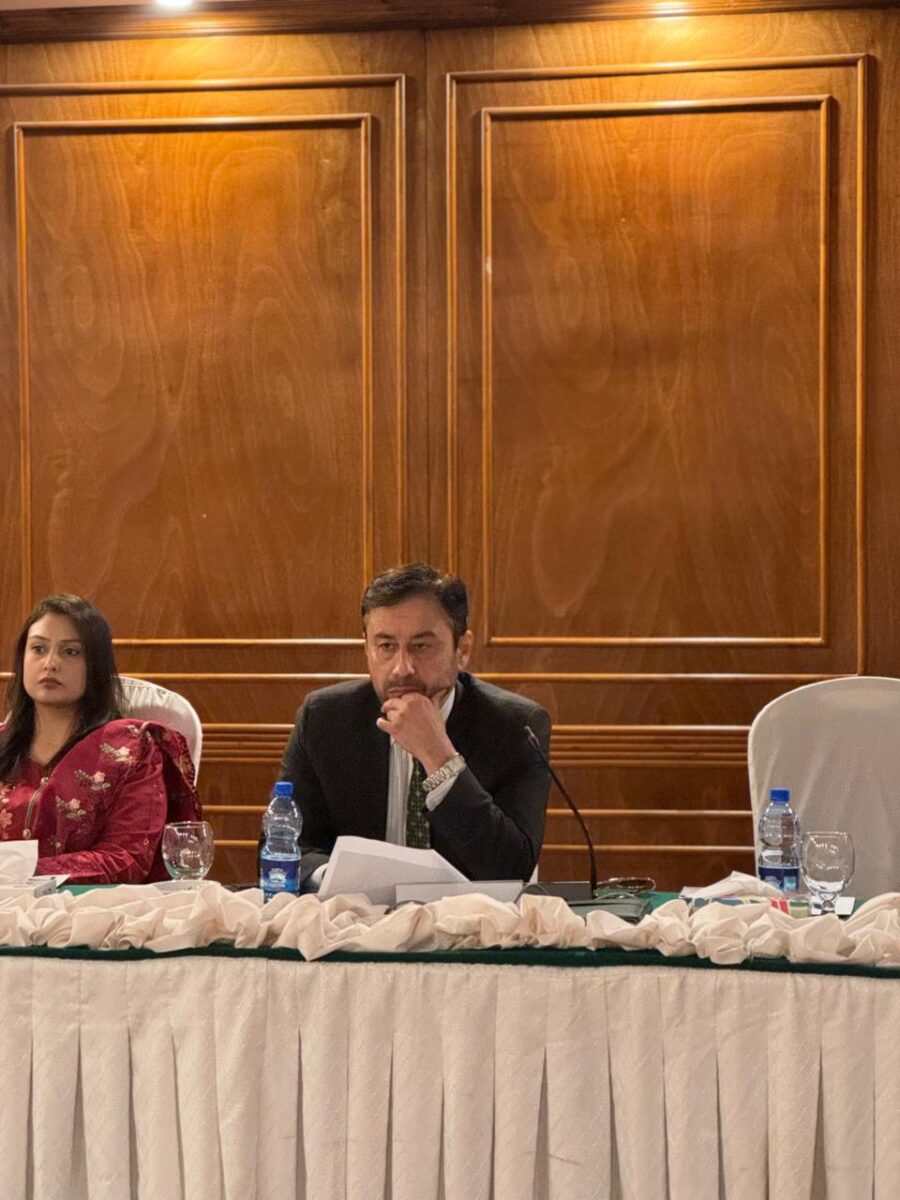
During Panel Session 1, Kiran Afzal from the World Bank emphasized that AI can play a critical role in skills development, workforce readiness, and expanding opportunities for youth and women. Asim Mushtaq, CEO Aman Innovatia, highlighted the importance of balancing technological innovation with human-centered learning. Madiha Aslam from the Prime Minister’s Youth Empowerment Program discussed how AI can strengthen youth engagement, entrepreneurship, and future employment pathways.
Panel Session 2 featured academic experts including Dr. Muhammad Tanveer Afzal, Dr. Afshan Huma, Dr. Sayyeda Kokab, and Dr. Fatima Maqsood, who explored AI’s impact on curriculum design, educational planning, teacher professional development, and research innovation.
Panel Session 3 brought together Dr. Jameel Bajwa, Raja Saad, Muhammad Omer Dogar, and Naima Hayat to discuss AI-driven policy development, digital inclusion, educational financing, and evidence-based decision-making for educational reforms.
A dedicated policy dialogue on AI in K-12 Education was chaired by Dr. Samia Dogar and featured leading experts including Dr. Munawar Hussain, Dr. Usman Shahid, Javed Iqbal Mirza, Jamal S. Malik, Dr. Aneela Hassan, Dr. Sadia Asif, Hira Taufeeq Qureshi, Dr. Tuba Tariq, and Asim Mushtaq. Participants stressed the need for responsible AI adoption, teacher capacity building, digital literacy, curriculum modernization, and safeguarding student data.
Guest of Honor Muhammad Rafique Tahir, Joint Educational Advisor at the Ministry of Education, highlighted the government’s commitment to integrating emerging technologies into national education reforms.
Chief Guest Dr. Rizwan Riaz, Pro Rector NUST, concluded the summit by emphasizing that AI should serve as an enabler of quality education, innovation, and inclusive learning opportunities for all students.
The summit concluded with a collective commitment from stakeholders to foster collaboration among academia, government, industry, and development partners to accelerate AI-driven educational transformation in Pakistan.

