
Rawalpindi, Pakistan: In Pakistan, any street, road, building, and institution can be renamed, and it is not an unusual phenomenon since the very day this country came into being—1947.
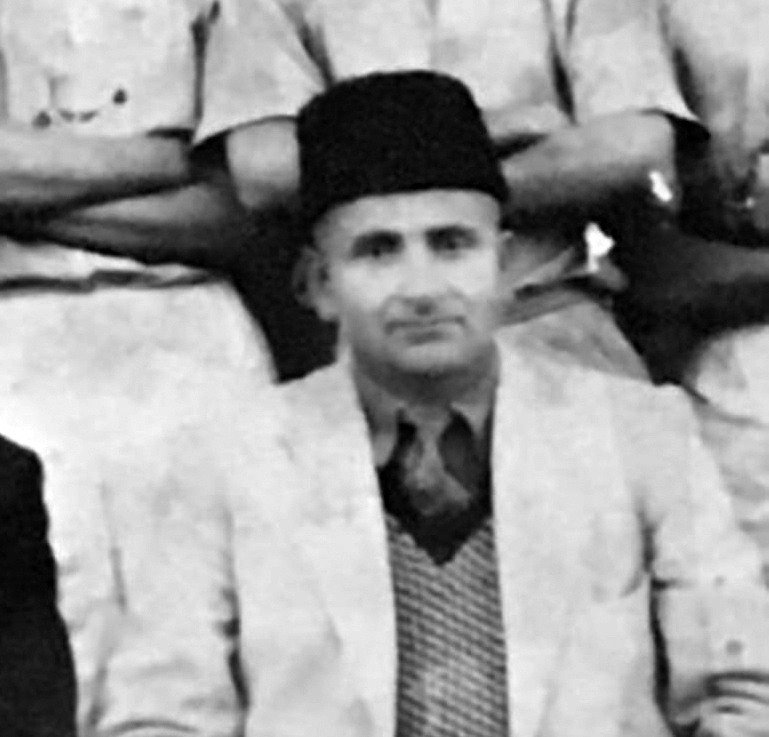
The immediate examples of renaming roads include Ferozpur Road, which was renamed as Shariah-i-Rumi Road in 1978 and now has been renamed as Lahore-Kasur Road; College Road Township was renamed as Nazaria-e-Pakistan Avenue; and the famous Lawrance Road was renamed as Majeeed Nizami Road. There are over 500 schools and colleges that were renamed as “Muslim” after independence because the majority of them were named after Hindus, Sikhs, and the Arya Samaj movement that constructed these educational institutions. In many cities, there are Muslim High School and Muslim High School II also, and these educational institutions were converted into Muslim from Khalsa, Arya Samaj, etc. Such an example is Government Muslim Higher Secondary School on Saidpur Road, Rawalpindi, that was built as Khalsa High School, Rawalpindi. There was reason to convert this school into the fold of Islam, and the school was rightly renamed as Muslim from Khalsa. However, it could have been much better to rename this school after the person who traded this school with his family assets he left behind in India and did not opt for allotment of any bungalow as millions of Muslims got, but he decided to take this school and run it because he was an educationalist and had been running school before migrating to Pakistan in Ferozpur, India. This exceptional personality was Syed Niaz Ahmed Tirmizi. His selfless personality did not stop here to serve the newly born country; rather, he gifted this school to the Government of Punjab in 1972. What an amazing person he was.
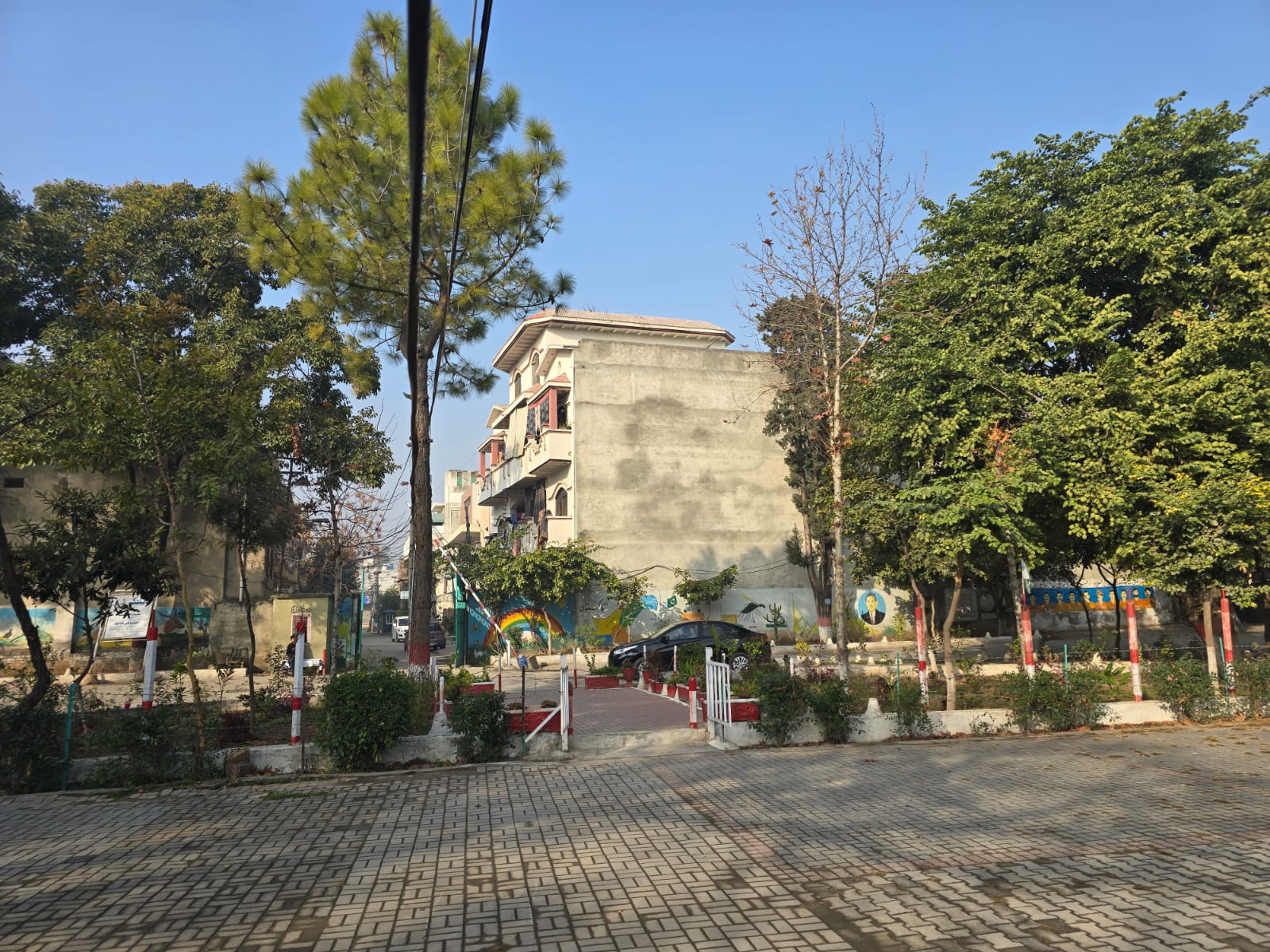
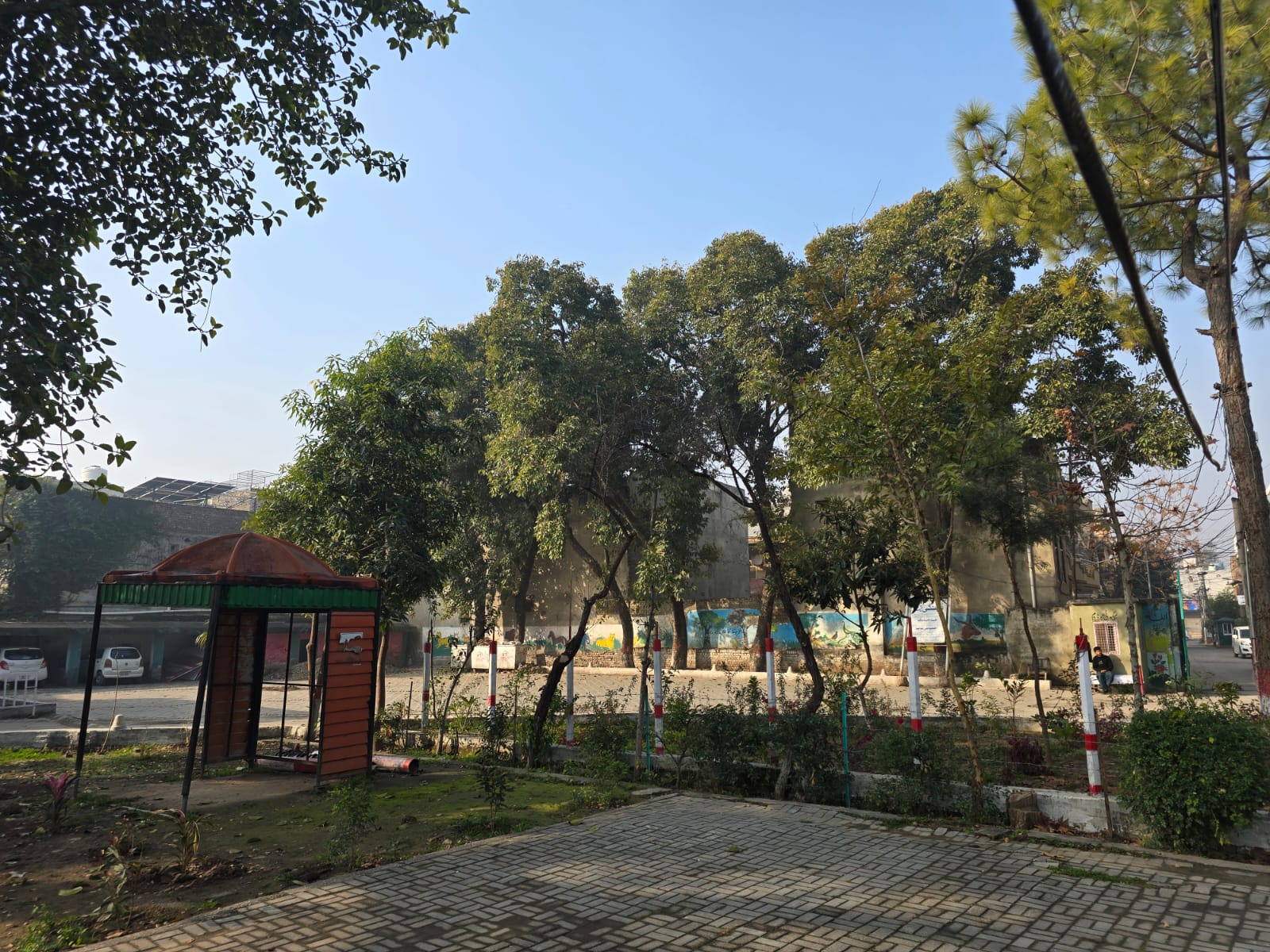
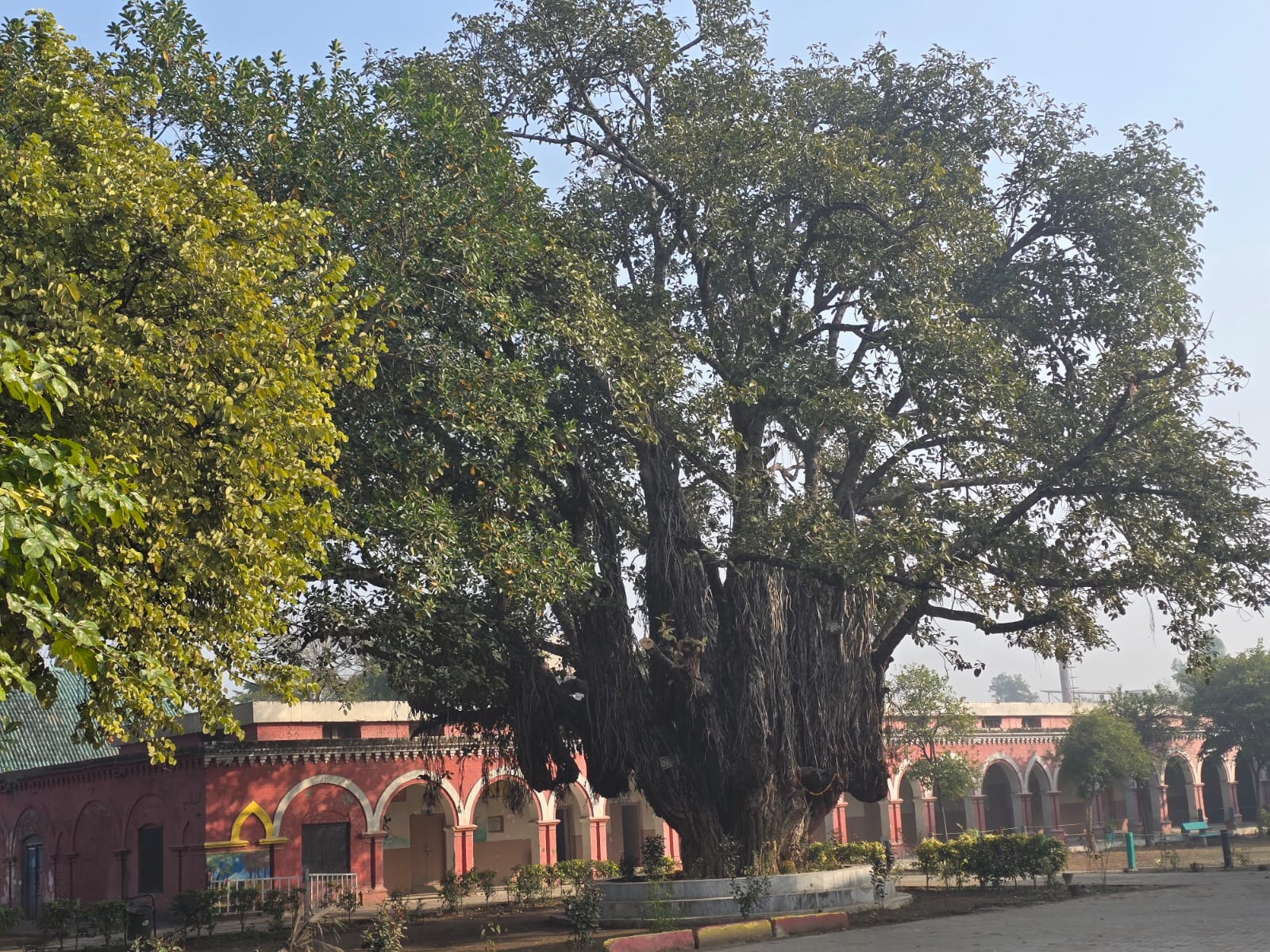
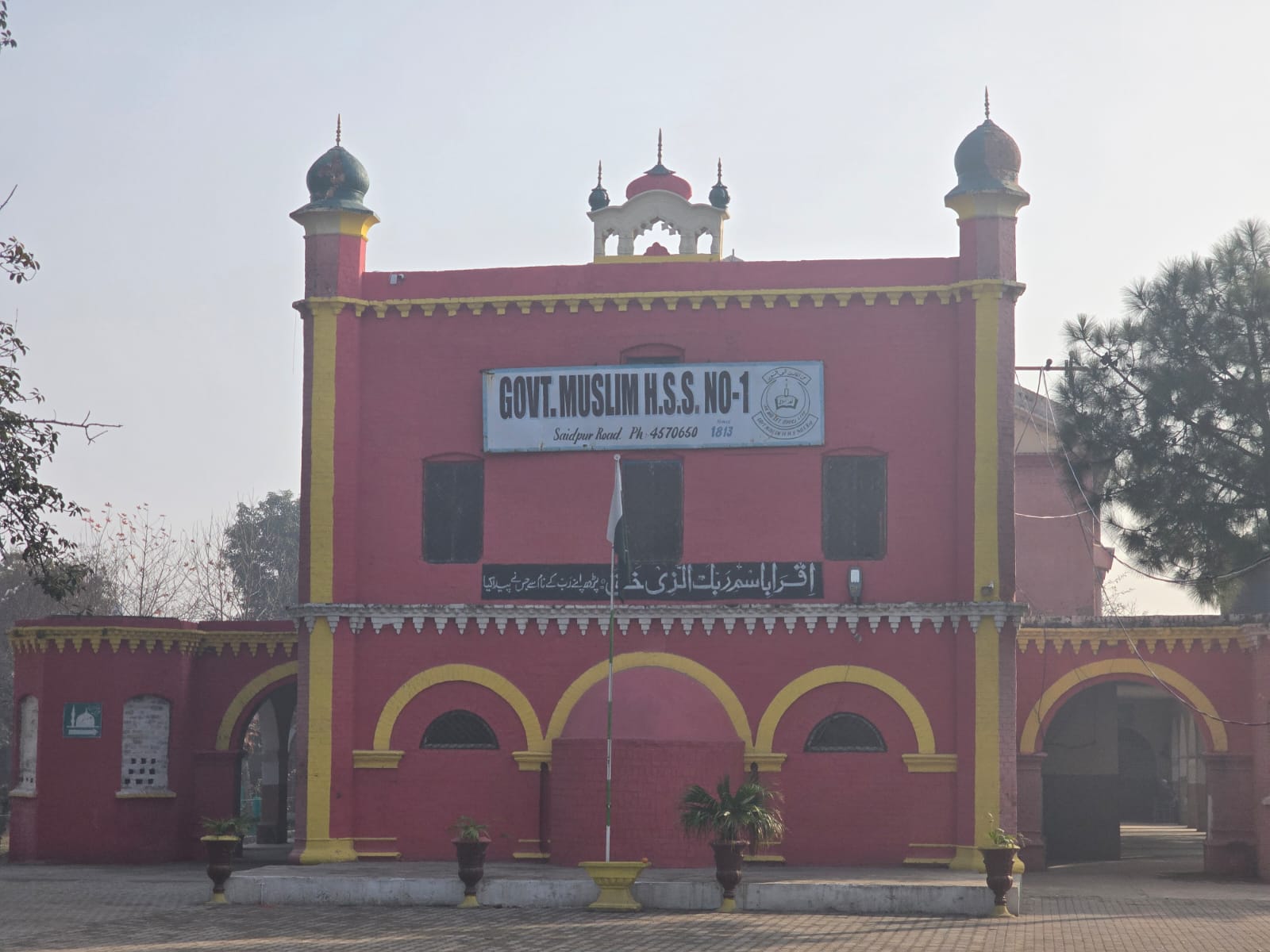
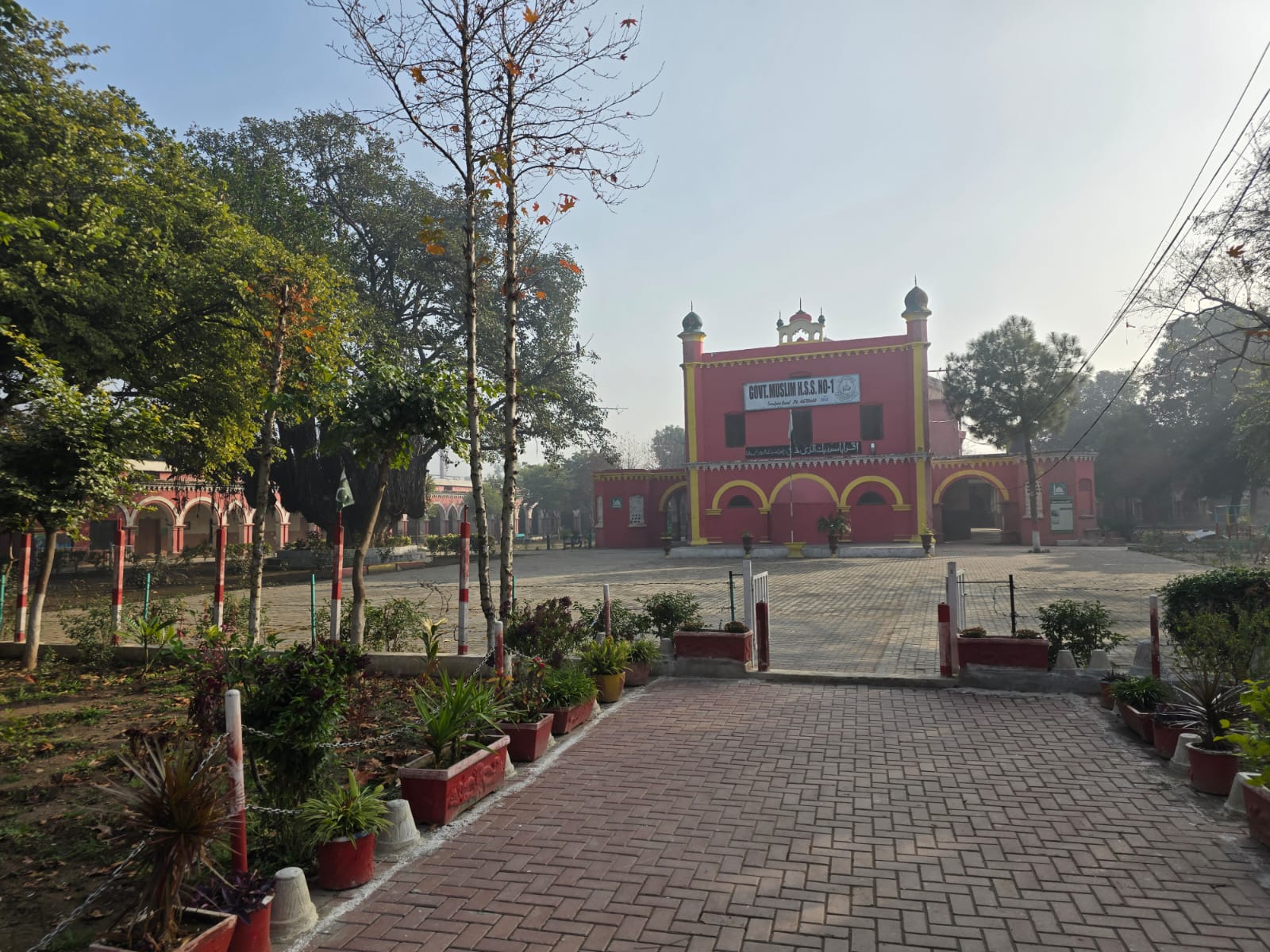
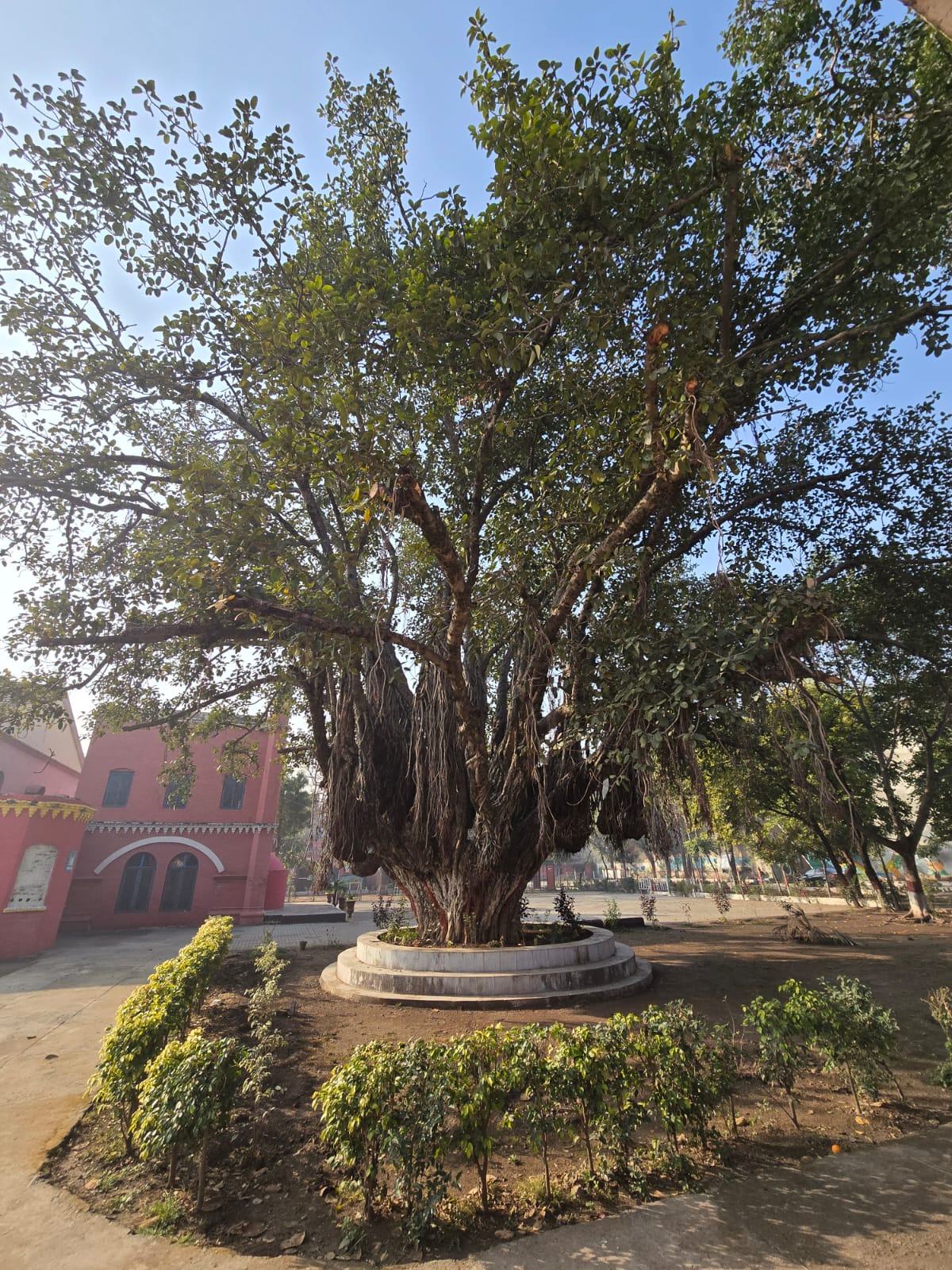
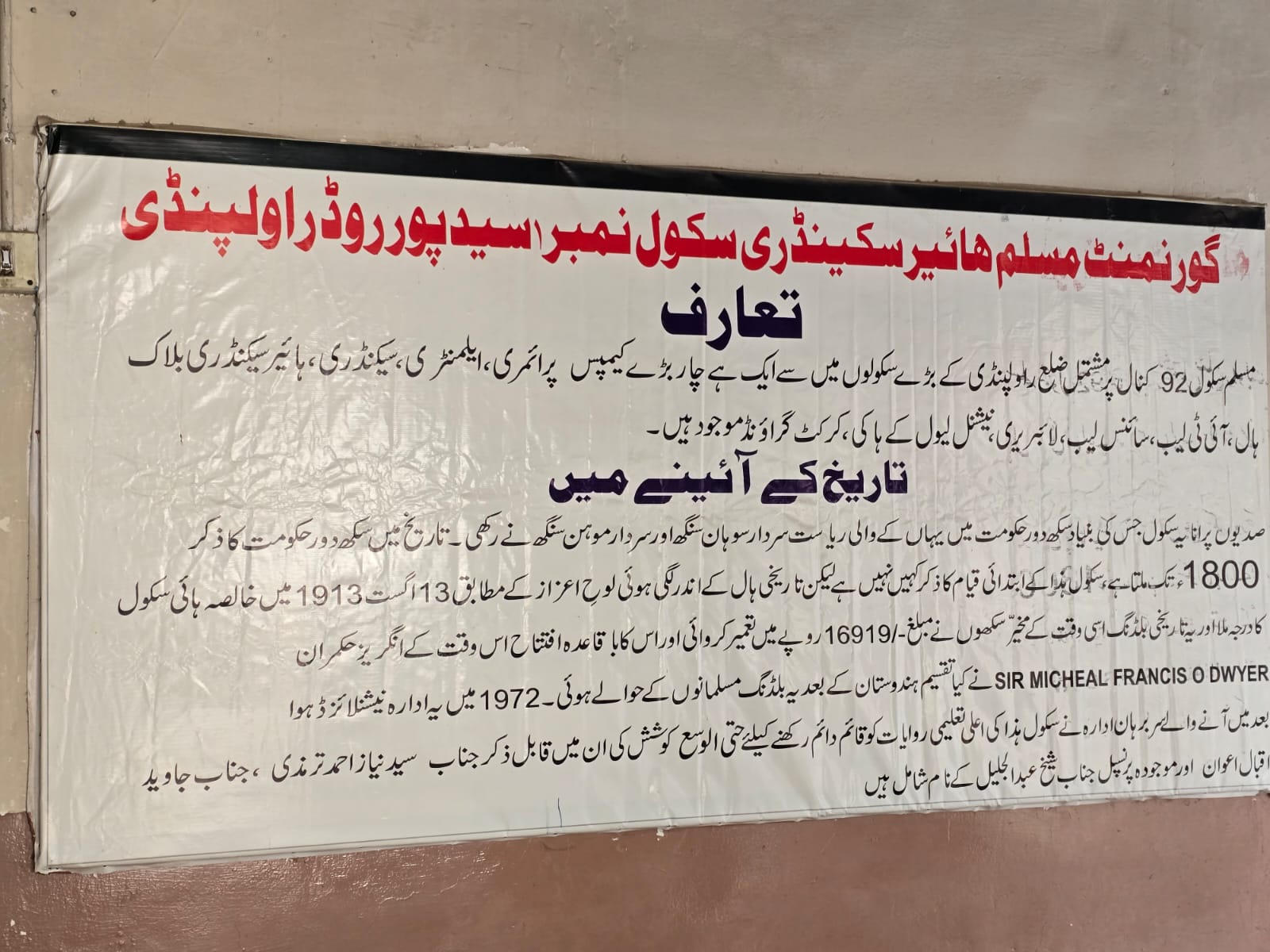
This “Muslim” school has a long history, spreading over 200 years. In 1813, during Sikh rule, a small one-room school was established in Saidpur Village to provide education to the local Sikh community, and 60 kanal of land was dedicated to this one-room school for future extensions.
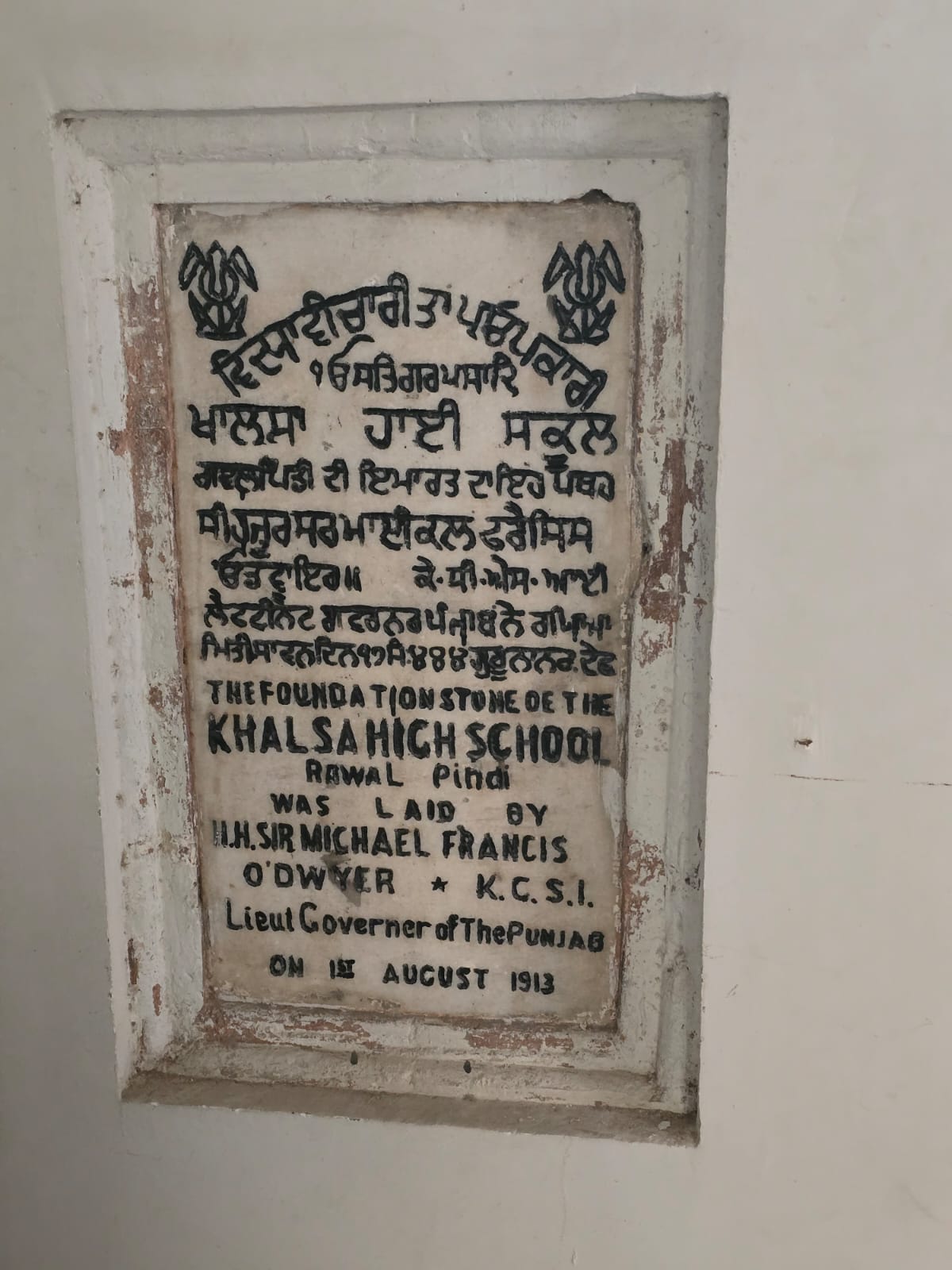
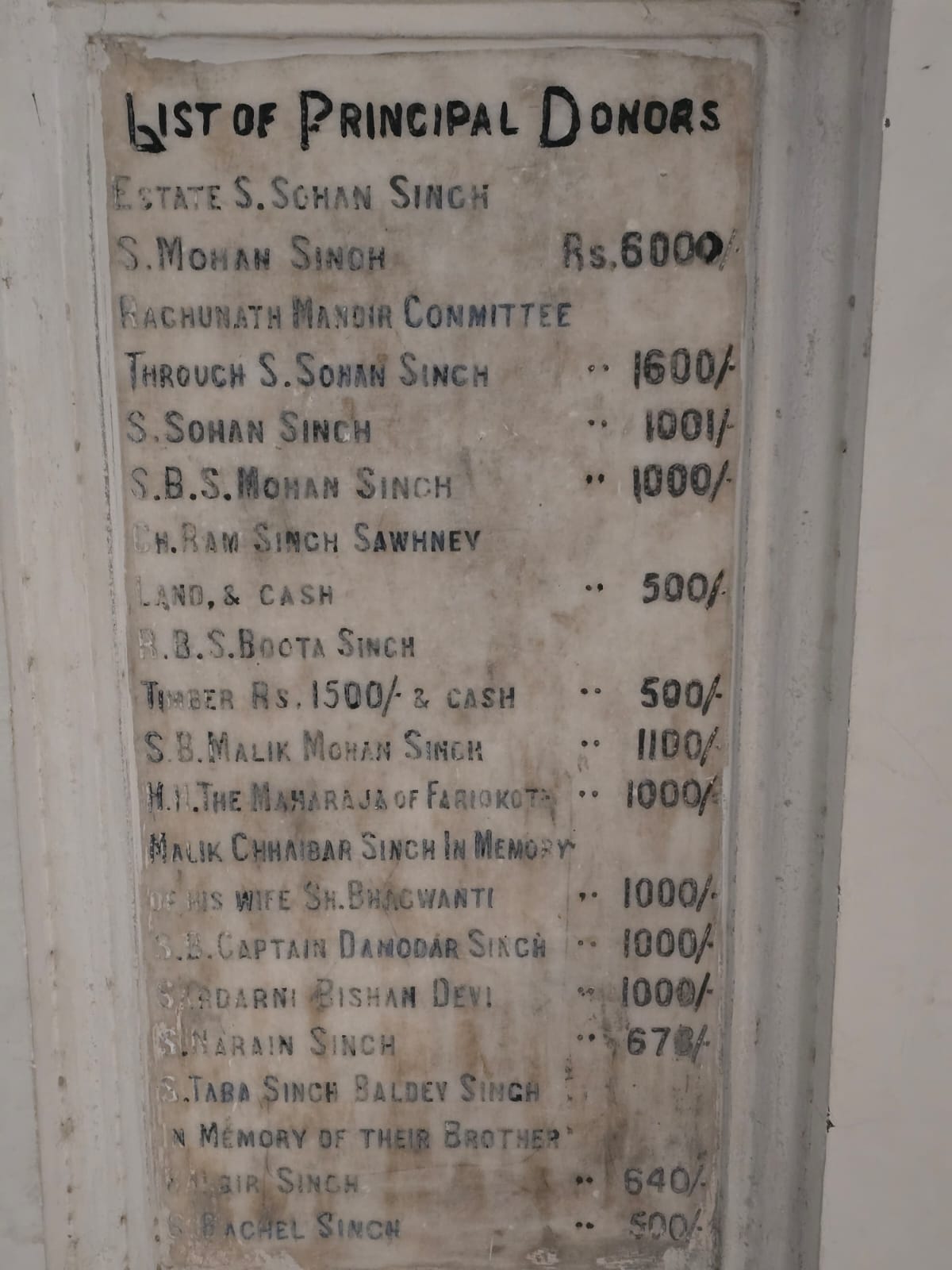
In 1913, Sikhs of Rawalpindi extended this school with seed money of Sardar Mohan Singh, who donated 5,000 rupees of that time, and the school was inaugurated on August 1, 1913.
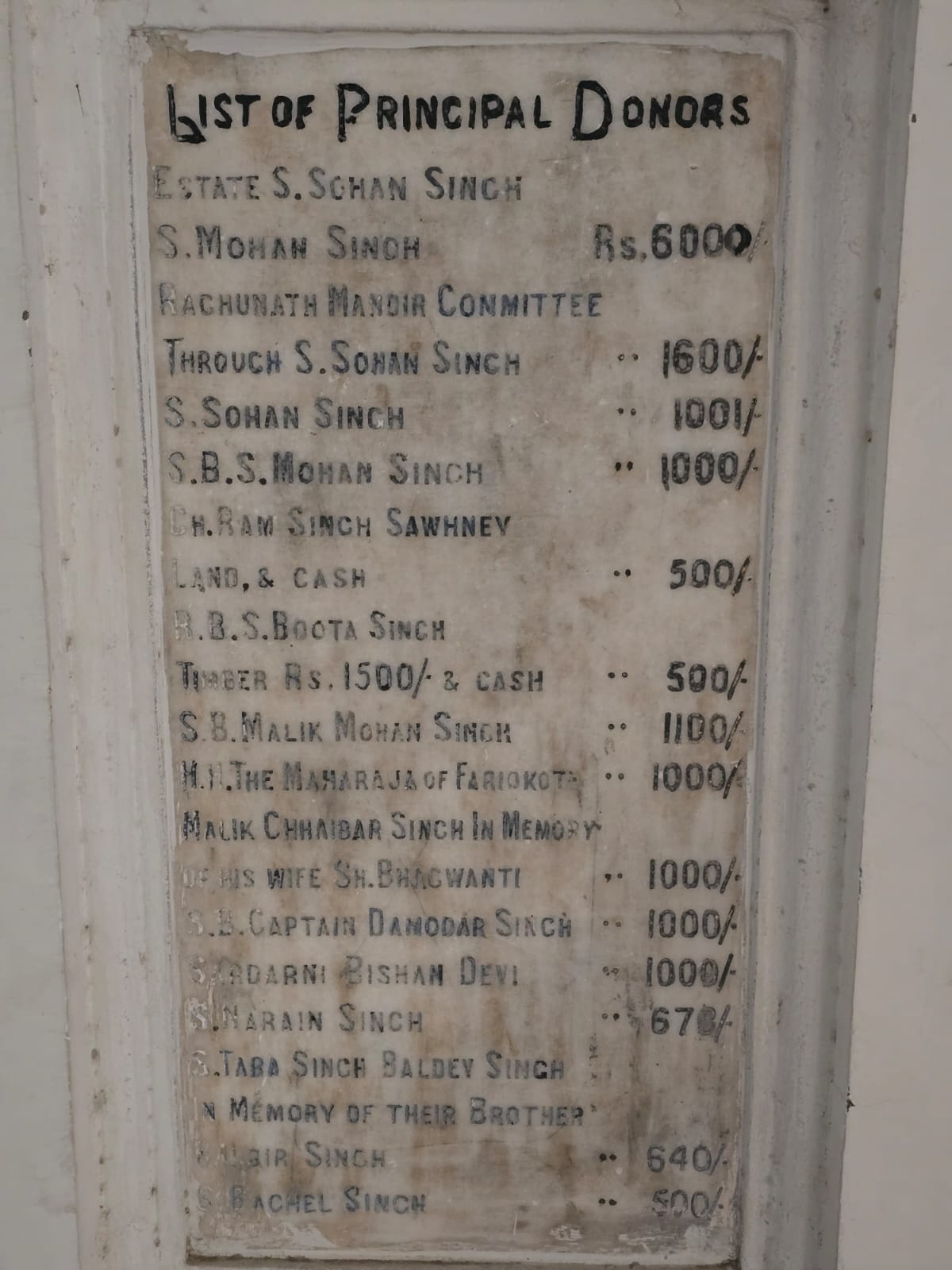
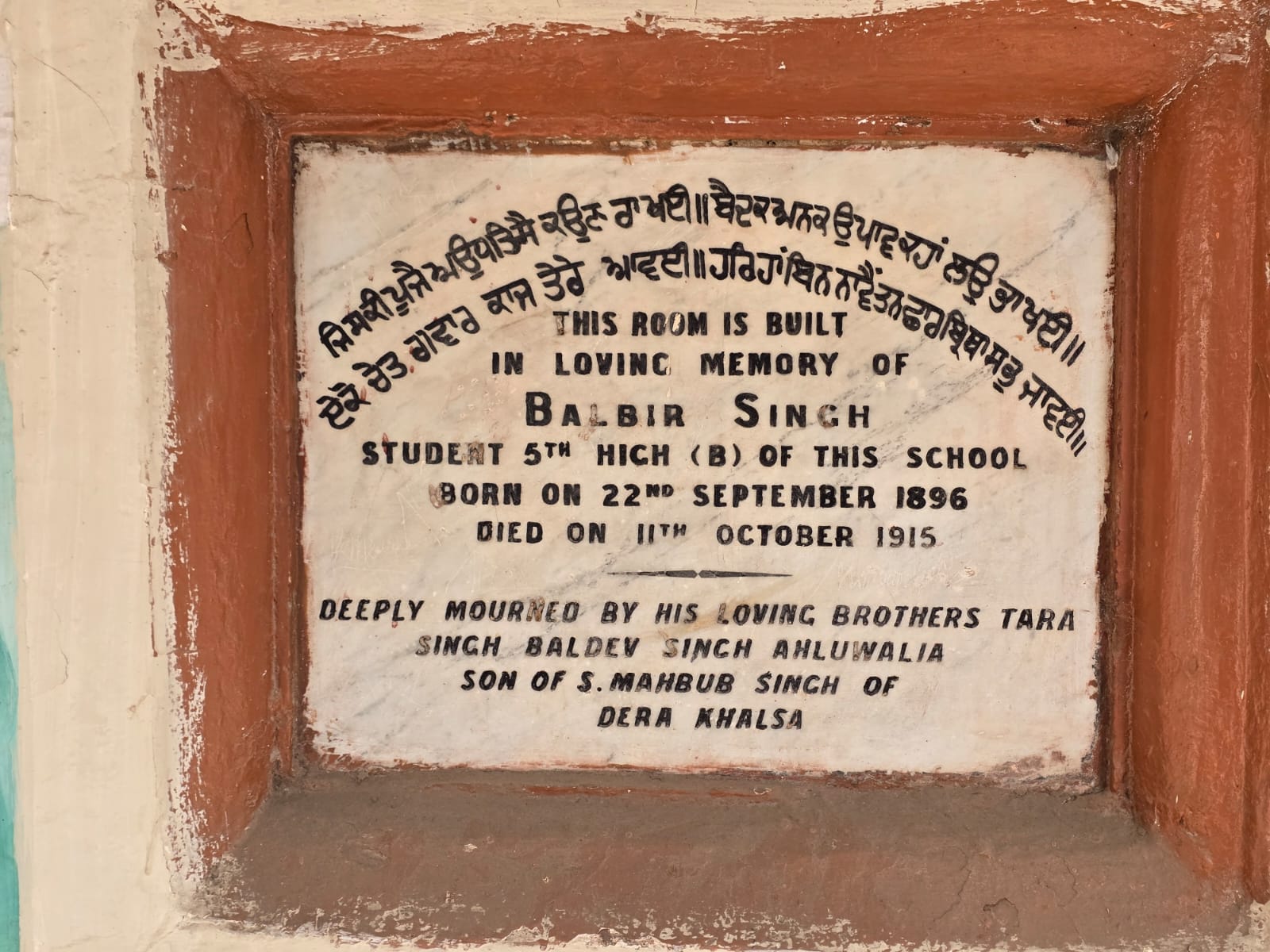
Its further extension was done in 1916, when Tara Singh Baldev, son of Sardar Mahbub Singh of Dera Khalsa, added a room in the memory of his late son Balbir Singh, who was a student of this school and died at the age of 14 years on October 11, 1915 (born September 22, 1896). Since then, this school had several extensions.
After Partition, Syed Niaz Ahmed Tirmizi migrated from Ferozpur, India, to Rawalpindi, where he was running a school for children of every religion. In 1948, the school became the first government-run school in the Rawalpindi Division when it was handed over to Syed Niaz Ahmed Tirmizi, who got allotment of this school in lieu of the land and property he left in India. He ran his institution with his own resources until 1971, when Pakistan decided nationalisation of schools and industries, but instead of asking the government for compensation, Syed Niaz Ahmed Tirmizi gifted this school to the Punjab government in 1972 without asking any compensation, reward, or benefit. By that time, the school was spread over a land of 100 kanal of land and had several blocks and beautiful gardens.
The story did not stop here; the quest of spreading knowledge and education had been an integral part of the traditions of the Tirmizi family, so the daughter-in-law of Syed Niaz Ahmed Tirmizi established a private school ‘Munawwar Jehan Apna Model School’ for girls, where she had been providing education free of cost to marginalised female students.
After her death, the daughter and granddaughter of Syed Niaz Ahmed Tirmizi, Salma Mustanir took over the charge and continues the services to education.
Should the country forget such a legendary personality as Syed Niaz Ahmed Tirmizi and his family, who did not stop and continue marching with the beacon of education? Should this Muslim High School not be renamed after the name of Syed Niaz Ahmed Tirmizi?

