
DND Report
“Media, as a tool of soft power, has largely served the Global North as a powerful and effective instrument for shaping and manipulating narratives. Through semiotic exploitation, cognitive framing, and selective meaning-making, the Global North has advanced its strategic objectives. There is a pressing need to invest in media by Global South to present global realities and protect audiences from propaganda,”.

These observations emerged as key takeaways from the first-of-its-kind Moscow–Islamabad Media Forum, held on February 27, 2026. The forum was jointly organized by Rossiya Segodnya Media Group, Pakistan’s Ministry of Information and Broadcasting, the Associated Press of Pakistan, and other partner institutions.
Related Story: Moscow–Islamabad Media Forum takes place before PM Sharif’s visit to Russia
Participants noted that while media has long been a potent instrument of influence for the Global North, the Global South has yet to invest proportionately in this critical domain. Pakistan and Russia remain indirectly connected through Western information intermediaries. Speakers emphasized that without direct engagement between Pakistani and Russian media outlets, meaningful outcomes cannot be achieved. Media institutions in both countries were urged to hold serious deliberations to develop a direct information-sharing mechanism, eliminating third-party mediation by Western media hubs. Without such steps, participants warned, media forums risk limited strategic impact.
The Moscow–Islamabad Media Forum featured senior Pakistani politicians, Pakistan’s ambassador to Russia, and defense experts, all of whom highlighted that bilateral relations are entering a new, multidimensional phase against the backdrop of a rapidly evolving global order, according to Sputnik International.
The forum brought together journalists, think tanks, and diplomats who reaffirmed their commitment to strengthening Pakistan–Russia relations based on mutual respect, shared interests, and regional stability.
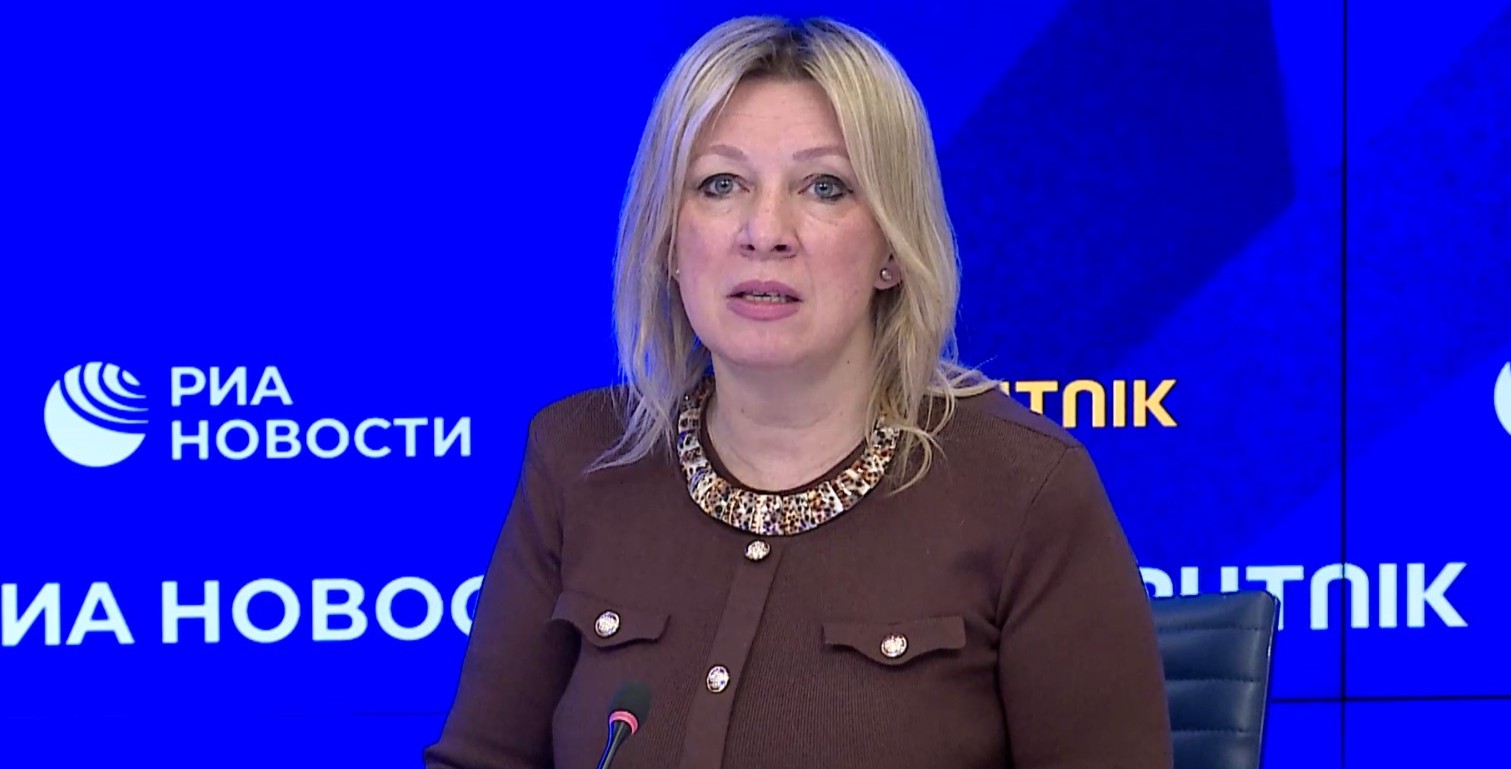
Addressing the forum, Russian Foreign Ministry Spokesperson Maria Zakharova said the platform plays a vital role in enhancing bilateral ties by bringing together not only political leaders and diplomats but also journalists, who contribute to deeper informational and cultural connectivity, reported Voice of Russia.
Zakharova observed that in today’s global environment, information has emerged as a new form of power. Through media, new dimensions of influence and the protection of national interests have taken shape. She stressed that access to accurate information and transparent dialogue is essential for building a stable and balanced international system in which diverse cultures and civilizations can flourish while preserving their unique identities.
She further cautioned that the misuse of information and propaganda, amplified by modern digital technologies, can undermine political and social stability worldwide. Forums such as the Moscow–Islamabad Media Forum, she said, are critically important as they provide constructive platforms for dialogue, fostering trust and cooperation in international relations.
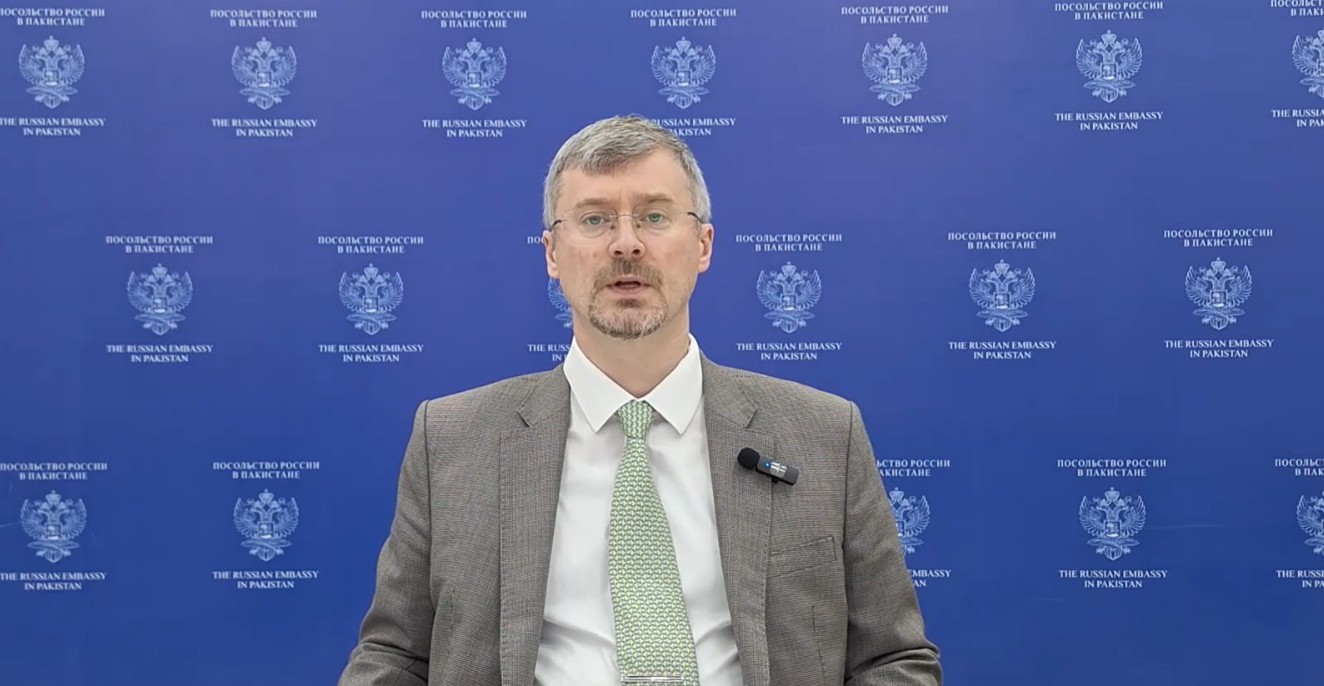
Russia’s Ambassador to Pakistan, Albert Pavlovich Khorev, said the forum represents another important link in a series of joint initiatives regularly organized by Russian and Pakistani expert communities in recent years. He expressed confidence that such cooperation enables both sides to better understand each other, identify national interests, recognize areas of convergence, and outline directions for mutually beneficial collaboration.
Highlighting the relevance of the forum’s theme, Ambassador Khorev said the unipolar world order has effectively come to an end, with multipolarity firmly taking root in international relations. While the growing role of the Global South is a positive development, he noted that the current period of global turbulence is marked by intensifying regional conflicts, disruptions in supply chains due to unilateral sanctions, and the rise of extremist ideologies.
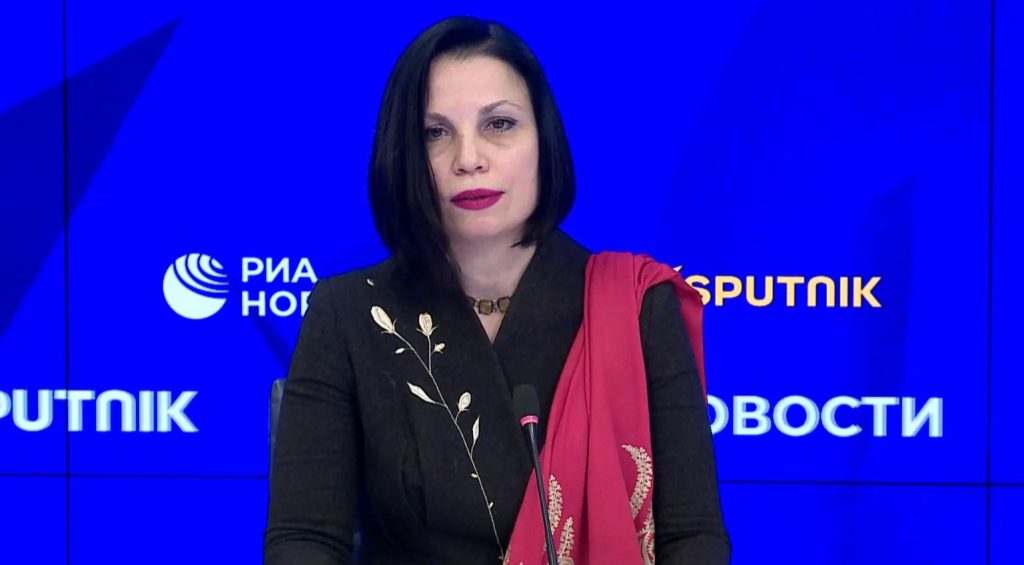
Geopolitical expert Roxolana Zigon remarked that recent cooperation between Moscow and Islamabad reflects a strong blend of public diplomacy and traditional diplomacy. She noted that although relations experienced fluctuations during the Cold War, shifts in the global balance of power and evolving regional dynamics have drawn the two countries closer to shared strategic objectives.
Referring to developments in Afghanistan, she said changes in the early 2010s created opportunities for Russia and Pakistan to reset ties, leading to accelerated cooperation across multiple sectors. She added that Pakistan has often stood alone in the fight against terrorism and has at times faced negative international media narratives that do not align with ground realities.
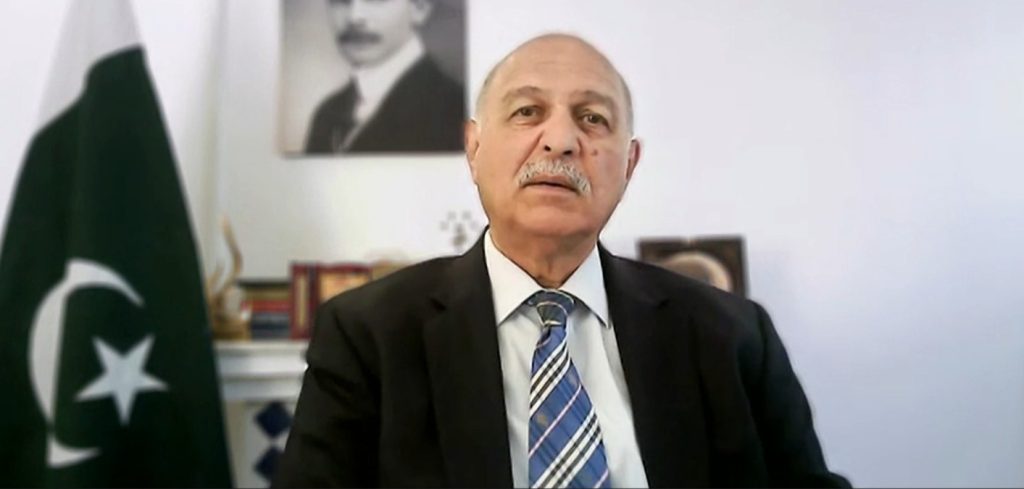
The forum was also addressed by Senator Mushahid Hussain Syed, Director General of the Institute of Strategic Studies Islamabad Aizaz Ahmad Chaudhry, and other distinguished speakers.
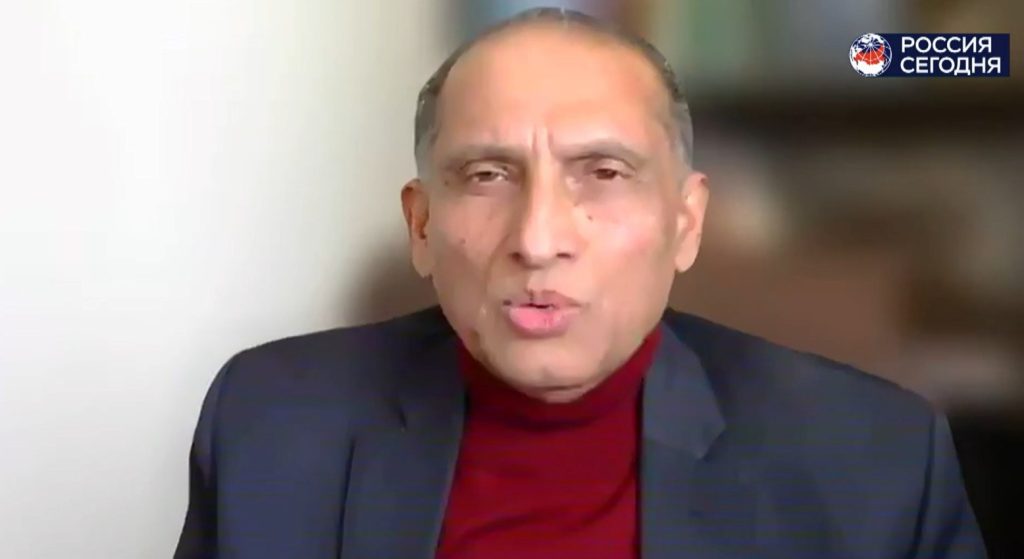
Pakistan’s Ambassador to the United States, Faisal Niaz Tirmizi, said that Pakistan–Russia relations are moving in a positive direction, with both countries keen to expand cooperation across various fields. He particularly highlighted growing institutional linkages in the area of disaster management, recalling Russia’s humanitarian assistance to Pakistan following the 2005 earthquake and the devastating floods of 2022.
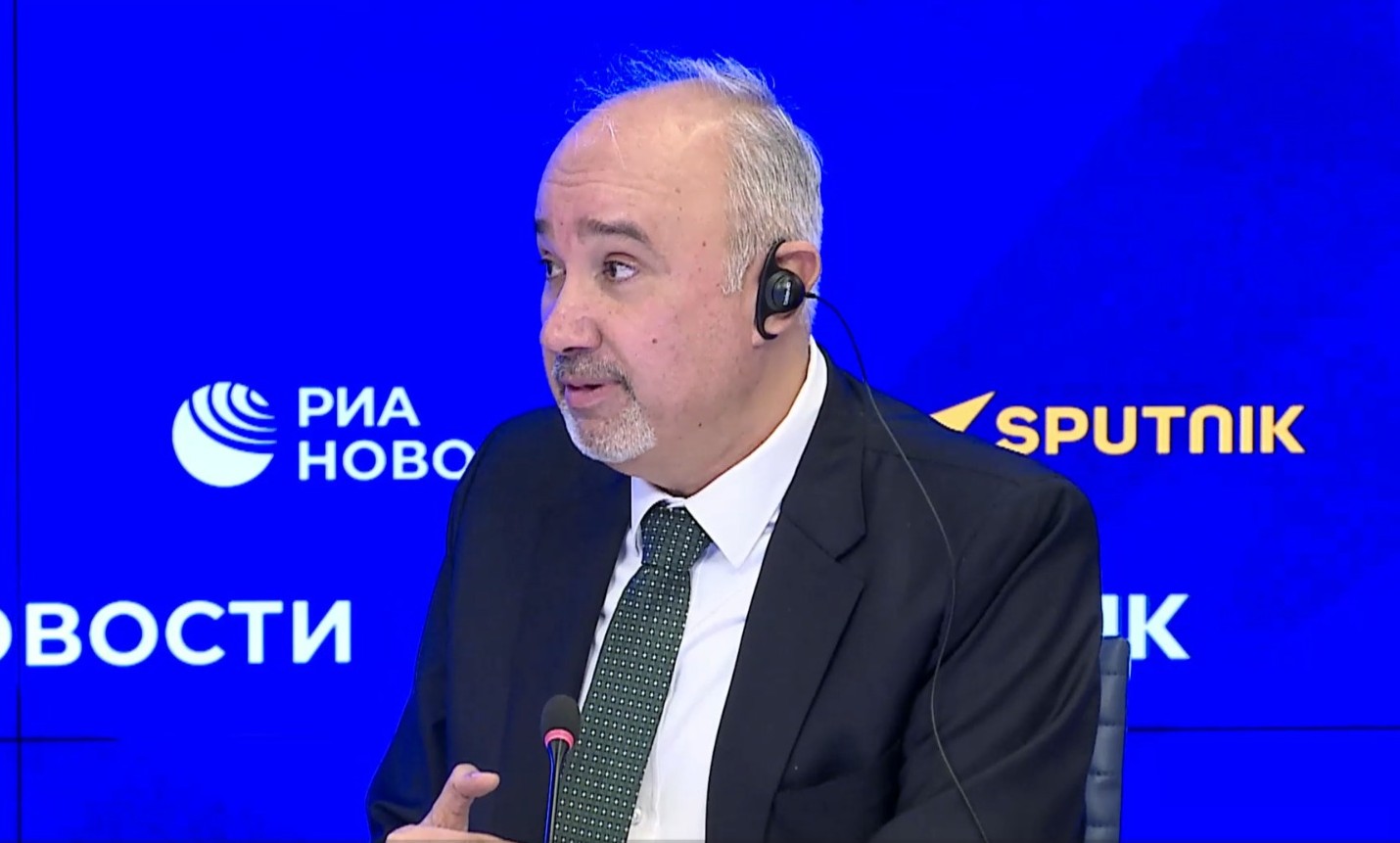
He said regular and systematic cooperation between emergency response agencies has intensified in recent years. In November 2025, a delegation of Russian emergency services visited Islamabad, resulting in progress on joint exercises and cooperation agreements. More recently, a high-level delegation from the Russian Foreign Ministry held meetings with Pakistani authorities, including the National Disaster Management Authority (NDMA), agreeing to enhance cooperation in disaster prediction, prevention, and post-disaster recovery.
Ambassador Tirmizi said Russia views South Asia, particularly Pakistan, as an important part of the broader Eurasian region and stressed that regional cooperation is indispensable in the emerging multipolar world order.
Emphasizing the need for a comprehensive Eurasian security architecture, he said dialogue and cooperation at the regional level remain the most effective means of resolving disputes. He reaffirmed that Pakistan and Russia are committed to strengthening relations based on mutual respect and shared interests.
Concluding his remarks, Ambassador Tirmizi said the present era offers favorable conditions for further strengthening bilateral ties, adding that the Embassy of Pakistan will continue efforts to promote Pakistan–Russia friendship.
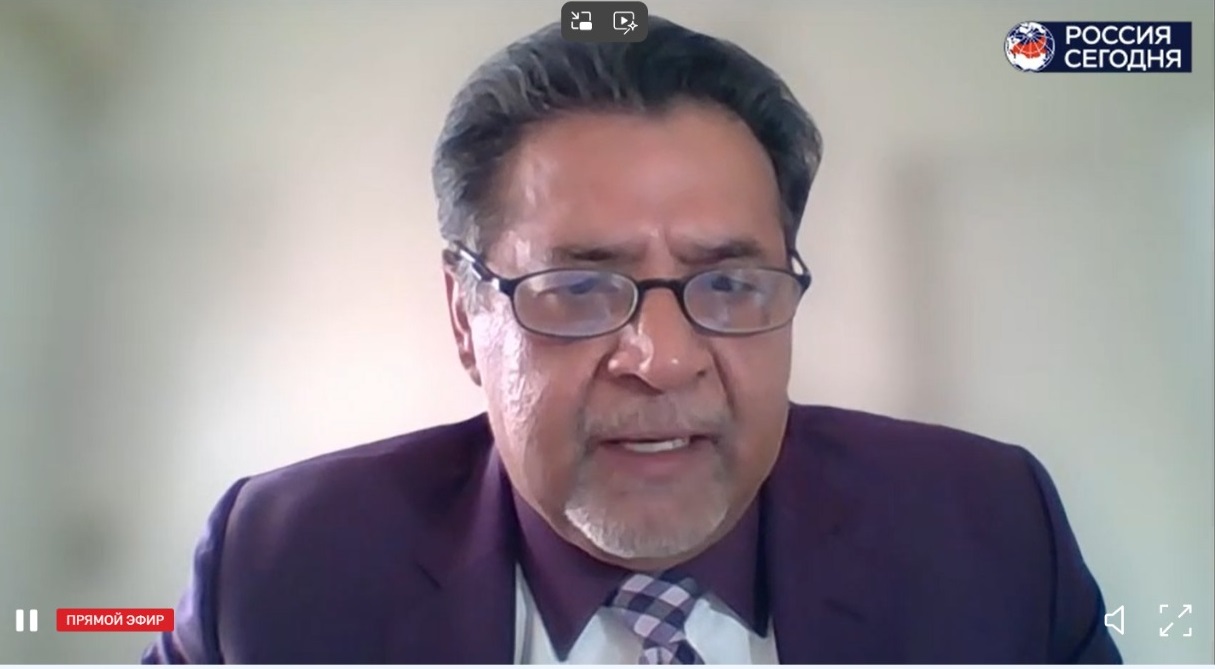
The Opening Session of the Forum was moderated by Agha Iqrar Haroon Chief Editor DND News Agency.
The Moscow–Islamabad Media Forum was convened at a time when the global order is undergoing profound political, economic, and security transformations. Strategic realignments, the emergence of new centers of power, prolonged conflicts, economic uncertainty, and mounting challenges to international norms have become defining features of the contemporary world. In such a complex environment, dialogue among nations—especially through informed voices from policymakers, diplomats, and media professionals—has become more vital than ever.
The forum encouraged audiences to explore how Pakistan and Russia, as key Eurasian states, perceive these global shifts and how their perspectives can contribute to regional stability and cooperative security.
Key takeaways from the forum included the need for sustained dialogue, enhanced regional cooperation, empowerment of Global South media, independent foreign policy approaches, and greater media engagement with regional and global priorities.
This is unfortunate reality that news about Russia and Russia’s international engagements published in Pakistani newspapers or broadcast on television originates from Global North media agencies such as AFP, Reuters, AP, BBC News, and CNN. Such coverage is often shaped by loaded narratives and rarely remains free of bias. As a result, most Pakistanis learn about Russia, its policies, and its global engagements through Western media sources. This has influenced public perceptions, particularly among Pakistani youth, who often adopt Western-framed views of the Russia–Ukraine conflict. Over the past five years, the conflict has consistently been described using terms such as “Russian war” and “Russian aggression,” narratives coined and amplified by Global North media.

