
By Sunaini Guleria Sharma
“The house of forgotten art” ; a phrase once used by Mint (2017) , still captures the magic of the Aryan family’s collection. For decades, they have been the silent guardians of India’s tribal and folk heritage, piecing together a cultural narrative that is as diverse as it is profound.
A Visionary Collector
Kishan Chand Aryan (1919–2002), fondly remembered as K. C. Aryan, He was a cultural archivist, a distinguished Indian painter, art historian, and scholar whose pioneering contributions reshaped the study of Indian folk, tribal, and classical art traditions. A very versatile artist, his work spanned figurative, abstract, and metal assemblage forms, earning him national acclaim, including the National Award from the Lalit Kala Akademi in 1964.
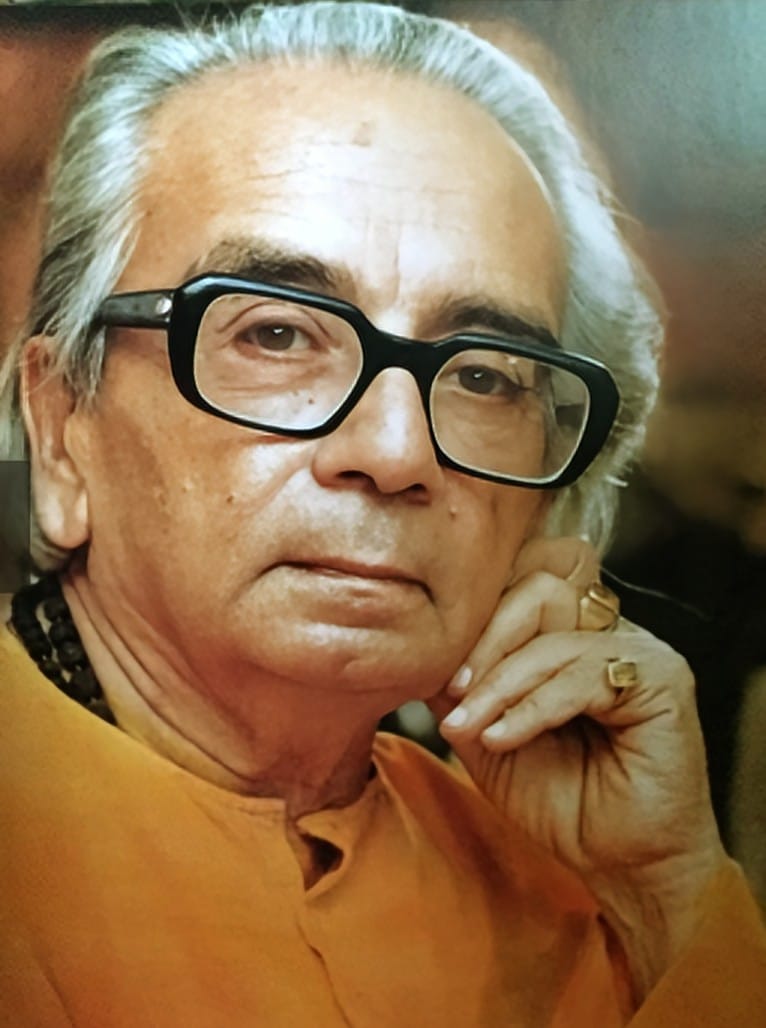
Trained in Lahore, Aryan’s early years reflected the influence of academic realism, later enriched by his exposure to international modernism.
From the beginning of the 1960s, Aryan turned his attention from classical Indian art to the neglected treasures of the villages. Over the years, he systematically gathered artefacts that were vanishing from daily life: terracotta votive figures, ritual bronzes, masks, folk textiles, and tribal woodwork.
Deeply rooted in Punjab’s cultural ethos, his artistic and intellectual pursuits inspired extensive writings on the cultural heritage of Punjab, Pataka paintings, and other indigenous traditions. Over his prolific career, he authored 23 scholarly books on what he described as a “virgin field”, the underexplored domain of Indian folk and tribal art; several of which focus exclusively on Punjab’s visual and tangible heritage. Following his passing in 2002, the custodianship of his pioneering collection and the Home of Folk Art Museum was entrusted to his son, Baij Nath Aryan, and daughter, Dr. Subhasini Aryan, both of whom are research scholars, collectors and conservationists in their own right who continue to preserve and promote his lifelong mission of celebrating India’s vernacular and living art traditions.

“Aryan has set up a museum of folk, tribal and neglected art ‘Home of Folk Art’ , which has the distinction of being the first of its kind in the country.” —The Economic Times, 1969
K.C. ARYAN Museum of Folk and Tribal & Neglected Art: A Living Museum
The Aryan family’s Gurugram residence became an extraordinary cultural space, described evocatively by – Mint 2017 as “The house of forgotten art.”
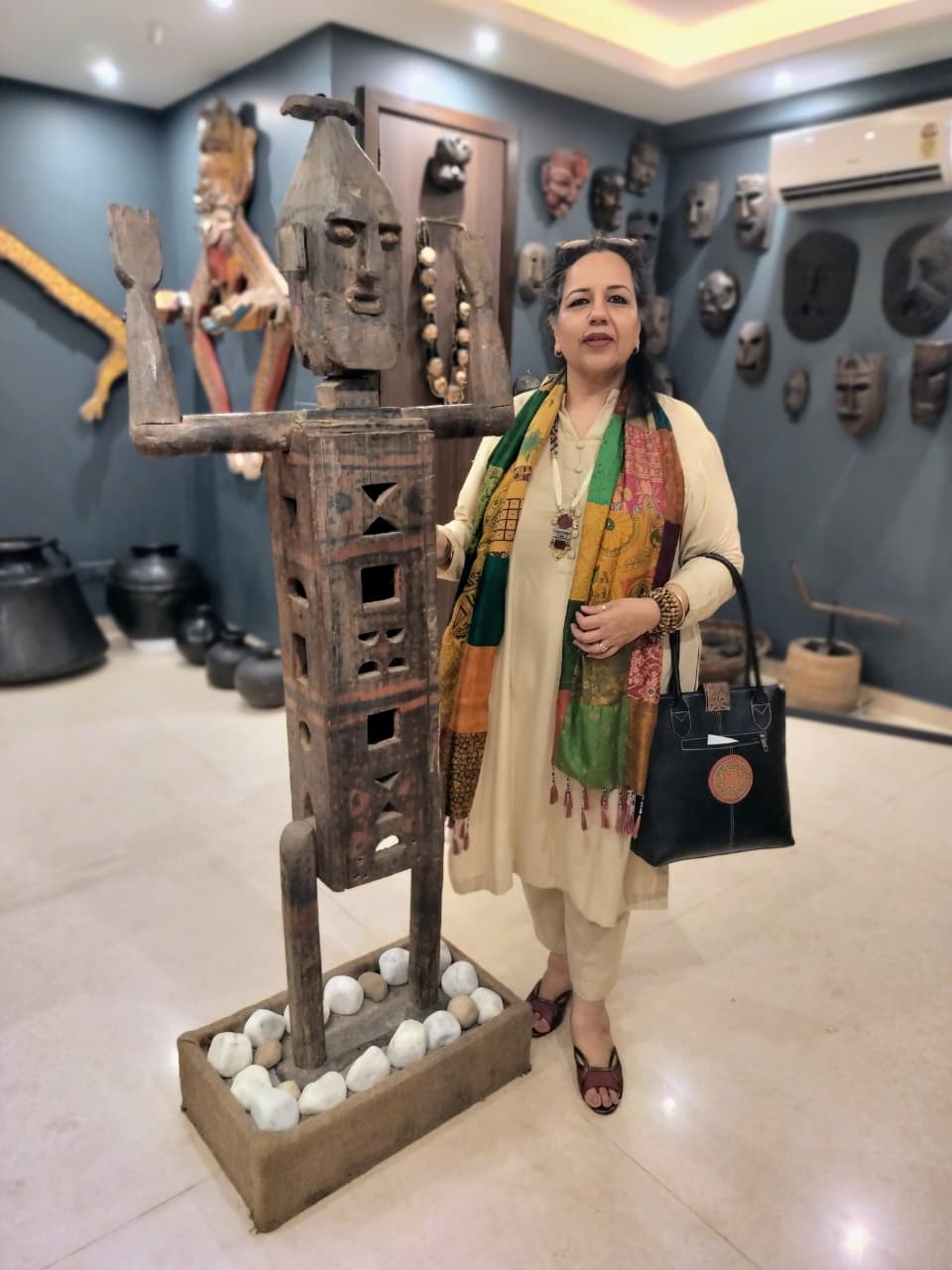
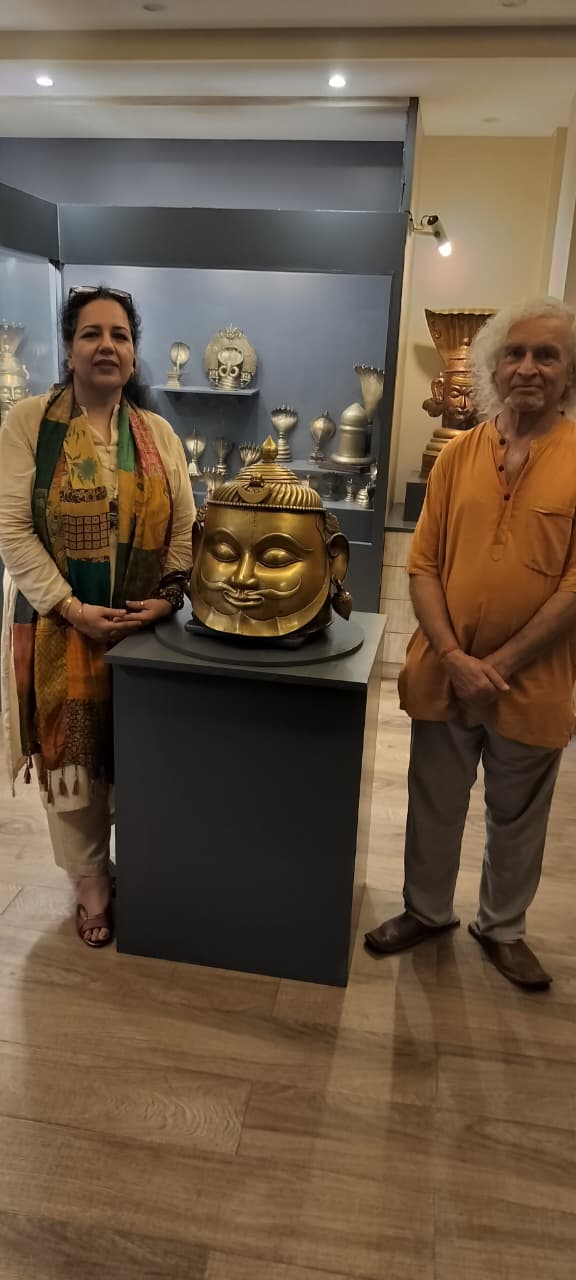
A museum that houses the single largest one – man collection of objects/artefacts gathered over 60 years passed through Aryan’s careful hands, with about 3,000 displayed at a time ; as explained by BN Aryan to me during the tour of the multi level building proudly exhibiting these exquisite archival treasures.
A Chamba rumal from Himachal, embroidered with silk threads narrating epics. ( I was shown the Chamba Rumaal collection, which is almost 300 exquisite pieces, one could imagine an entire floor of a museum dedicated to the artform, a favourite ensemble accessory of Sher -e – Punjab Maharaja Ranjit Singh.
One also saw the Pata (ritual scroll) paintings from Rajasthan, early Madhubani works from Bihar, and folk textiles from Punjab with intricately embroidered Phulkari motifs, each reflecting the diverse and deeply rooted vernacular art traditions of India. Each artefact, unique in origin, found unity in the Aryan vision: folk art as India’s collective heritage.
Punjab at the Heart
While the collection spans the subcontinent, Aryan’s deepest commitment lay with the art of Punjab and united Punjab. His landmark book, Cultural Heritage of Punjab (1965), spotlighted wall paintings, textiles, and crafts that had long been ignored by mainstream scholarship.
Aryan treated Punjab’s folk artefacts not as “minor art” but as authentic voices of people’s creativity. Whether it was the vibrant Gudri from Kutch, the Bazaar School paintings of Lahore, or the everyday crafts of Punjabi households, Aryan gave them dignity as national heritage. BN Aryan explained how the entire collection of the Amritsar Bazaar collection is a part of his father’s archival treasure.
“He drew the attention of art connoisseurs to the ‘Bazaar School’ of paintings from Punjab. Today, these works can only be traced in Aryan’s private museum.” —The Economic Times, 1969
Democratizing Art
In Aryan’s collection, a hand-carved wooden toy or a bronze ritual vessel stood beside fine embroidered rumals and terracotta goddesses. He refused the hierarchy between “classical” and “folk,” insisting that both flowed from the same cultural river.
As he once remarked, these objects carried “an innocent trait of occurring in day-to-day usage,” making them vital documents of people’s lives. –Travel Times, 2001.
The Family’s ‘Folk-us!’
Even after Aryan’s passing, the family continues to nurture the collection. His son, B.N. Aryan, now the custodian, ensures that these works remain visible and accessible. Their Gurugram home has become a repository of memory and resistance, reminding us that India’s art is not confined to royal courts or museums, but thrives in the hands of its people.
“Over decades, the Aryans have gathered well over 100,000 objects of which more than 3,000 are displayed at the family-owned Home of Folk Art.” —Travel Times, 2001
Why It Matters and why revisiting the tangible artefacts is so compelling!
The Aryan collection is not just about preservation. It is about redefining cultural history, where the farmer’s plough design, the village potter’s votive clay horse, and the weaver’s embroidered cloth are given equal importance to temple bronzes and palace murals.
This vision is especially urgent today, when globalization threatens to flatten regional differences. By celebrating diversity, the Aryans remind us of India’s plurality, resilience, and creativity.
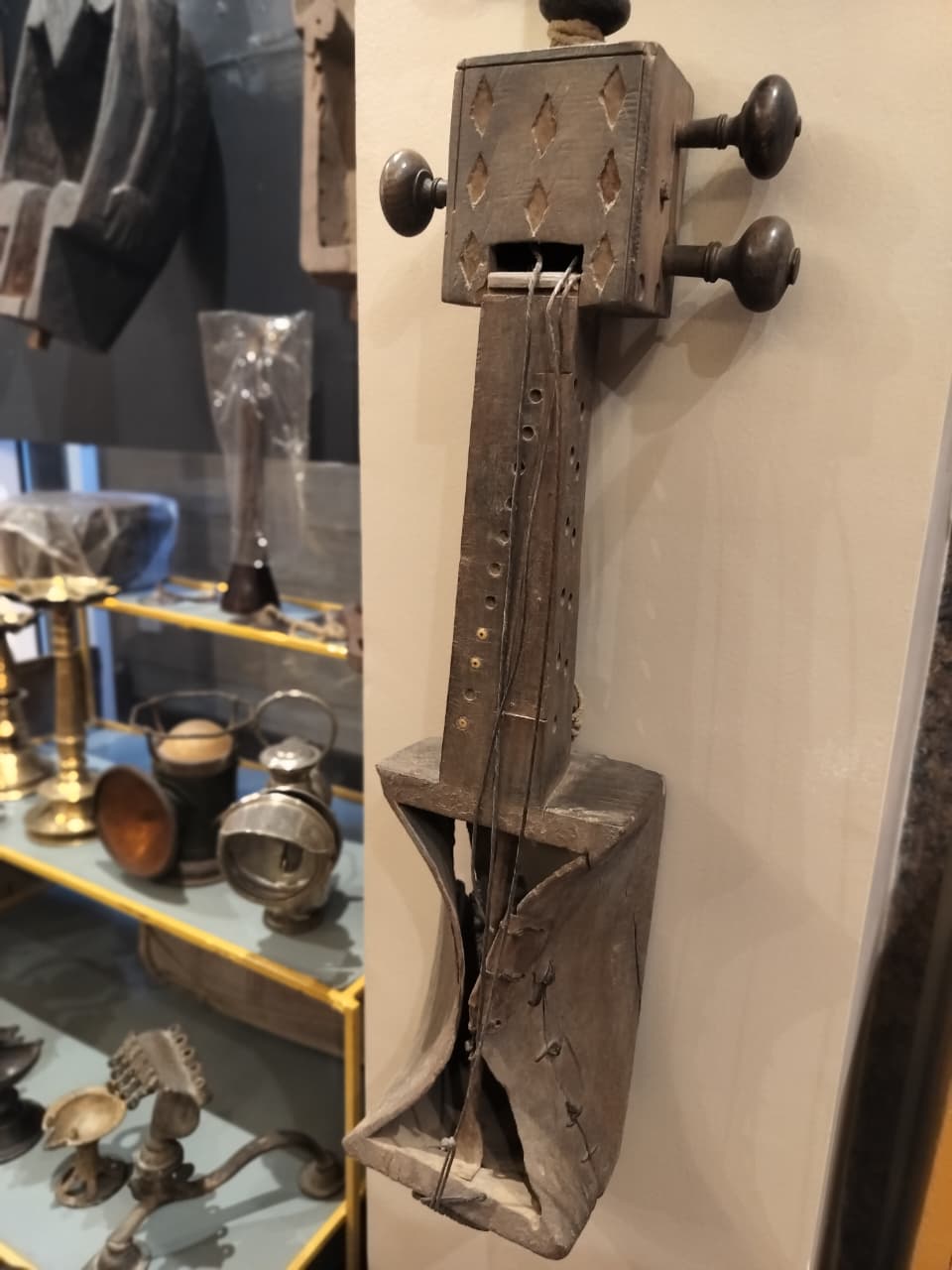
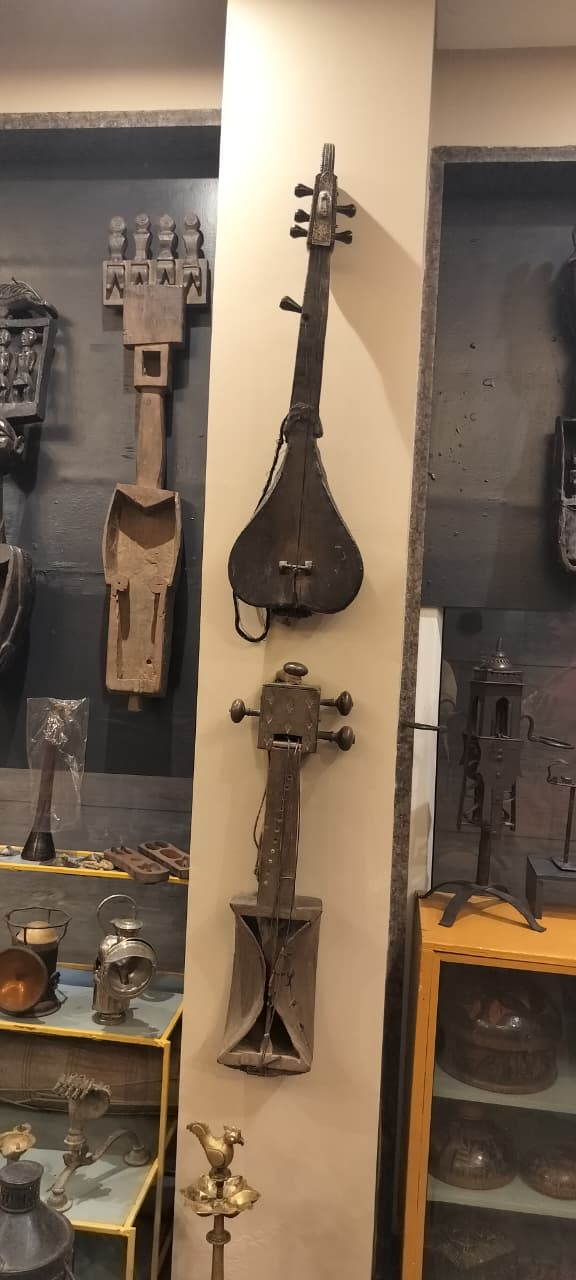
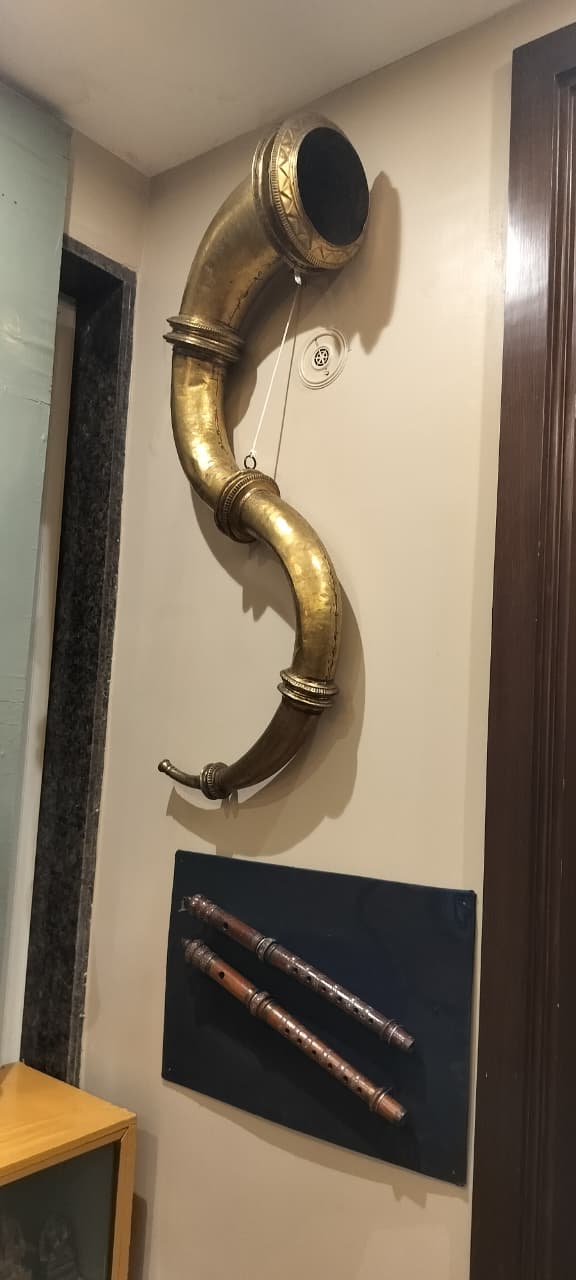
I must also take this opportunity to share that by virtue of my research as a Musicologist the verses of Rumi have always intrigued me , especially the one in which the reference of the musical instrument with wires made of hyde is mentioned, I had never thought I would ever see even a picture of such an old saaz and felt overwhelmed on seeing and touching the live instrument at the museum. The Home of Folk Art in Gurugram was India’s first private museum dedicated to folk and tribal art.
A National Inheritance
As the Aryan family seeks a permanent institutional home for the collection, the question is no longer about one family’s passion; it is about national responsibility. These artefacts are India’s inheritance, embodying the genius of artisans whose names history never recorded.
To honor Aryan’s vision is to honor them. It is to ensure that the house of forgotten art becomes the nation’s house of remembered heritage. Its collection whispers stories across civilizations, rituals, societies and generations. I strongly believe that it deserves the recognition of an entire nation.
From the references of newspaper articles from the 1960’s and later as shared with me by BN Aryan during our conversations and my visit to the museum at Gurugram on August 24 2025.
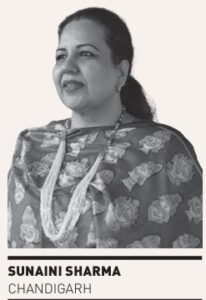 Sunaini Guleria Sharma, an art connoisseur ethnomusicologist, and researcher, delves into the living heritage of Undivided Punjab. Her work explores the region’s tangible and intangible legacies, where art, music, and memory intertwine. She is granddaughter of legendary voice of Hindustan, Bulbul e Punjab Surinder Kaur Ji.
Note: This article of original published at K.C. ARYAN Museum of Folk and Tribal & Neglected Art website

