
DND Report — Islamabad/New Delhi: Intelligence warnings and official briefings in Pakistan had already alerted observers to the possibility of a major “false-flag” incident in India before the November 10, 2025, New Delhi vehicle explosion.
The concerns stemmed from the arrest of Pakistani fisherman Ijaz Mallah, who, in his video confessional statement confessed to being tasked by Indian handlers to acquire specific military uniforms and locally sourced items, allegedly to support a staged attack that would be blamed on Pakistan.
According to security officials, Mallah was detained at sea while attempting to travel toward India. His alleged procurement list reportedly included:
- Pakistan Navy, Army and Sindh Rangers uniforms
- Customized name tags and measurements
- Pakistani currency
- Cigarette packs, matchboxes, and lighters
- Zong SIM cards
Authorities claim the selected items suggested a plan to manufacture an operation designed to appear as originating from Pakistan. Federal Minister for Information Attaullah Tarar briefed the media on November 1, 2025, stating that Mallah’s interrogation indicated India was preparing to orchestrate “something big” aimed at maligning Pakistan through propaganda, misinformation, and disinformation.
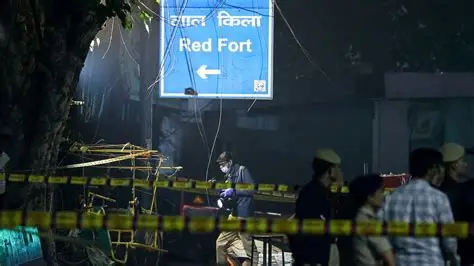
On November 10, 2025, a car explosion occurred near Delhi’s Red Fort/metro region, rapidly escalating regional tensions and public speculation.
Within minutes of the blast, segments of Indian media and Afghan social media accounts attributed responsibility to Pakistan. Afghan television channels believed to be sympathetic to Kabul’s government allegedly circulated fabricated posters claiming responsibility, further amplifying the narrative. This incident underscores a broader information-warfare dynamic in South Asia, where narrative battles now unfold as rapidly as events themselves.
A credible, impartial investigation remains essential to address regional concerns, prevent escalation, and ensure accountability.
However, independent Indian journalists and commentators began raising inconsistencies, drawing parallels to previous incidents said to have politically benefited ruling governments during election periods.
Critics in India questioned why several major terror incidents in recent decades, including the Parliament attack, Pulwama, Uri, and others occurred under BJP governments. The journalists highlighted that such events frequently precede elections, shift media focus, and heighten polarization.
They point to several recurring characteristics:
- Rapid attribution without forensic evidence
- Opaque investigations
- Lack of accountability or resignations
- No independent audits
- Observers argue that such patterns should trigger deeper examination rather than acceptance at face value.
Days before the Delhi blast, India’s Anti-Terrorism Squad and law-enforcement agencies reported large-scale seizures of explosive materials. Aggregated claims on Indian social platforms reached 2,900 kg of RDX/IED-type substances.
This has fueled speculation:
If such massive quantities were circulating and known to authorities, how did they escape intelligence networks and enforcement oversight?
The blast coincided with Phase-II of Bihar state elections, raising concerns within independent media circles that the incident and subsequent narrative surge may have been leveraged to influence public sentiment.
Key unanswered questions
Analysts and journalists have outlined critical points requiring transparent investigation:
How did purportedly large quantities of explosives (up to 2,900 kg) enter India undetected?
If intelligence was aware, why were security agencies unable to intercept the threat?
Why was Pakistan blamed within minutes — prior to forensic analysis or investigation?
Why was Delhi already under heightened security and cordoned earlier that day?
How did Indian and Afghanistan-linked accounts coordinate narrative amplification so quickly?

