
DND Report
In April 2025, Federal Minister for Energy Sardar Awais Ahmed Khan Leghari announced major reforms in Pakistan’s power sector, including the privatization of key assets, restructuring of electricity procurement, and a long-term strategy to reduce electricity prices. He stated that Pakistan would no longer operate under a single-buyer electricity model, as the government seeks to increase private-sector participation and reduce the Central Power Purchasing Agency’s (CPPA) role as the sole buyer.
He announced plans to privatize several public-sector assets. In the first phase, three distribution companies—Islamabad (IESCO), Gujranwala (GEPCO), and Faisalabad (FESCO)—will be privatised, followed by Lahore (LESCO), Multan (MEPCO), and HAZECO in the second phase. Hyderabad, Sukkur, and Peshawar DISCOs will be offered under a concession model, while Quetta and Tribal Electric Supply Companies will be improved under government supervision and later managed through performance contracts.
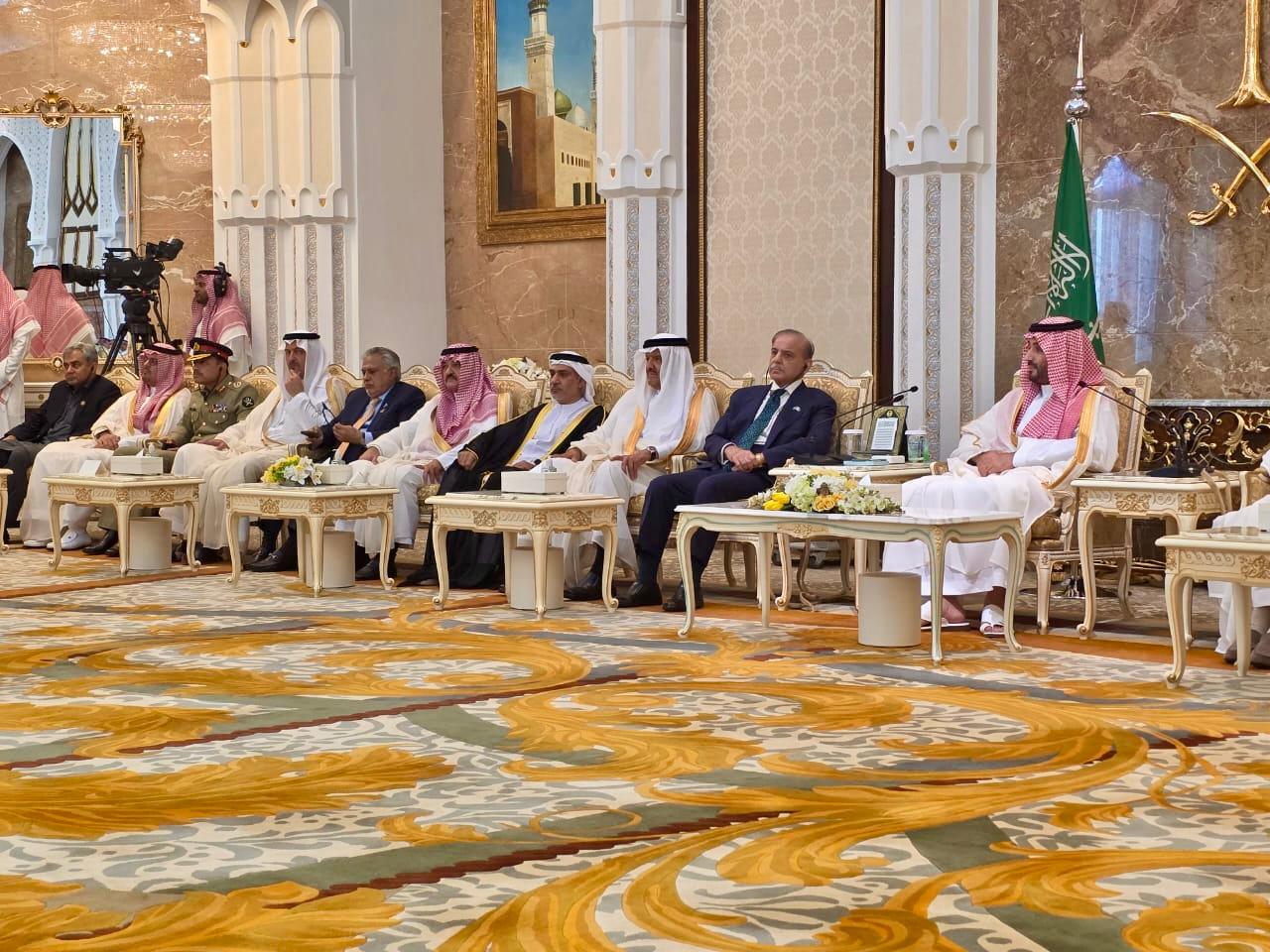
These announcements were pragmatic, and electricity consumers now await the benefits of these reforms. In December, the IMF again emphasised that Pakistan must reduce electricity costs and line losses, and must address cost-increasing factors in the gas sector. The IMF suggested that Pakistan will need to accelerate structural reforms, increase investment, expedite the pace of privatization, and improve the mechanisms for gathering economic data.
Structural reforms and privatization have remained frequent topics of discussion for the last two decades, yet no tangible action has been taken to privatize entities such as Pakistan Steel Mills, Pakistan Railways, or Pakistan International Airlines (PIA). Civil Administrative structural reforms are long overdue, and although the government established the SIFC to facilitate foreign and domestic investors frustrated by delays and bureaucratic red tape, results have remained limited because even the SIFC depends on the civil administration to carry out decisions.
Whatever foreign investment has arrived so far has largely been achieved through military diplomacy and the personal efforts of Field Marshal Syed Asim Munir. On December 9, 2025, Prime Minister Shehbaz Sharif lauded the role of the COAS and Chief of Defence Forces for his key contribution in paving the way for economic reforms and development. PM Shehbaz Sharif said that the support of Field Marshal Syed Asim Munir has been central to implementing the reform agenda and advancing Pakistan’s economic development.
He added that the IMF’s satisfaction with the implementation of economic measures reflects the hard work of the economic team, particularly Finance Minister Muhammad Aurangzeb and his staff. The recent IMF financial release, he said, is proof that Pakistan is committed to undertaking the necessary steps for economic stabilization. The Prime Minister also expressed satisfaction with Transparency International’s report on public perceptions of corruption in Pakistan, noting that a majority of citizens consider the government’s economic revival measures successful. According to PM Sharif, Transparency International’s findings validate the reforms undertaken by the government.
There is no doubt that improvements in economic indicators, reform implementation, and positive public opinion are the result of teamwork and the efforts of Deputy Prime Minister and Foreign Minister Ishaq Dar, Field Marshal Syed Asim Munir, Finance Minister Muhammad Aurangzeb, and their respective teams are worthy.
According to the NCPS 2025 report released by Transparency International, transparency in Pakistan has improved, corruption has decreased, and the economy is showing signs of growth. The report states that 66% of Pakistanis did not have to pay a bribe for any government service. It further states that exiting the FATF grey list contributed to economic stability, and public opinion regarding the police has also improved, reflecting better behaviour and service delivery. Public perception regarding education, land and property administration, and taxation has also improved. NCPS remains a key index measuring corruption perception in Pakistan, and other international organisations have also acknowledged the country’s economic progress and increased public confidence in state institutions.
Financial and social indicators suggest that Pakistan has achieved considerable progress under the leadership of Field Marshal Syed Asim Munir, Prime Minister Muhammad Shehbaz Sharif, and their team. However, delays in structural reforms within the civil administration and the continued postponement of privatizing white elephants such as PIA and Pakistan Steel Mills may hinder broad-based and sustainable governance. The public burden will remain unless systemic leakages are fully addressed.

