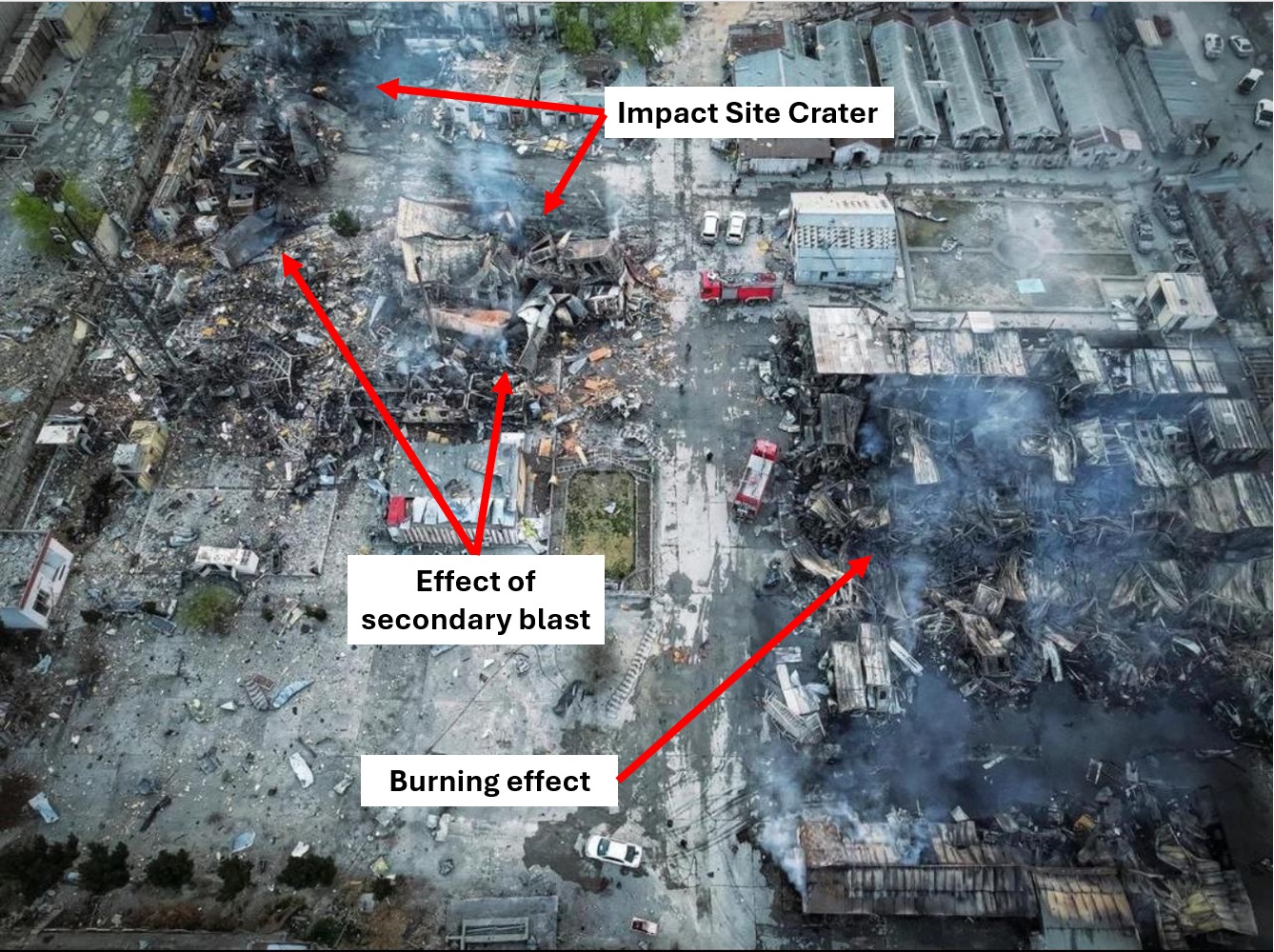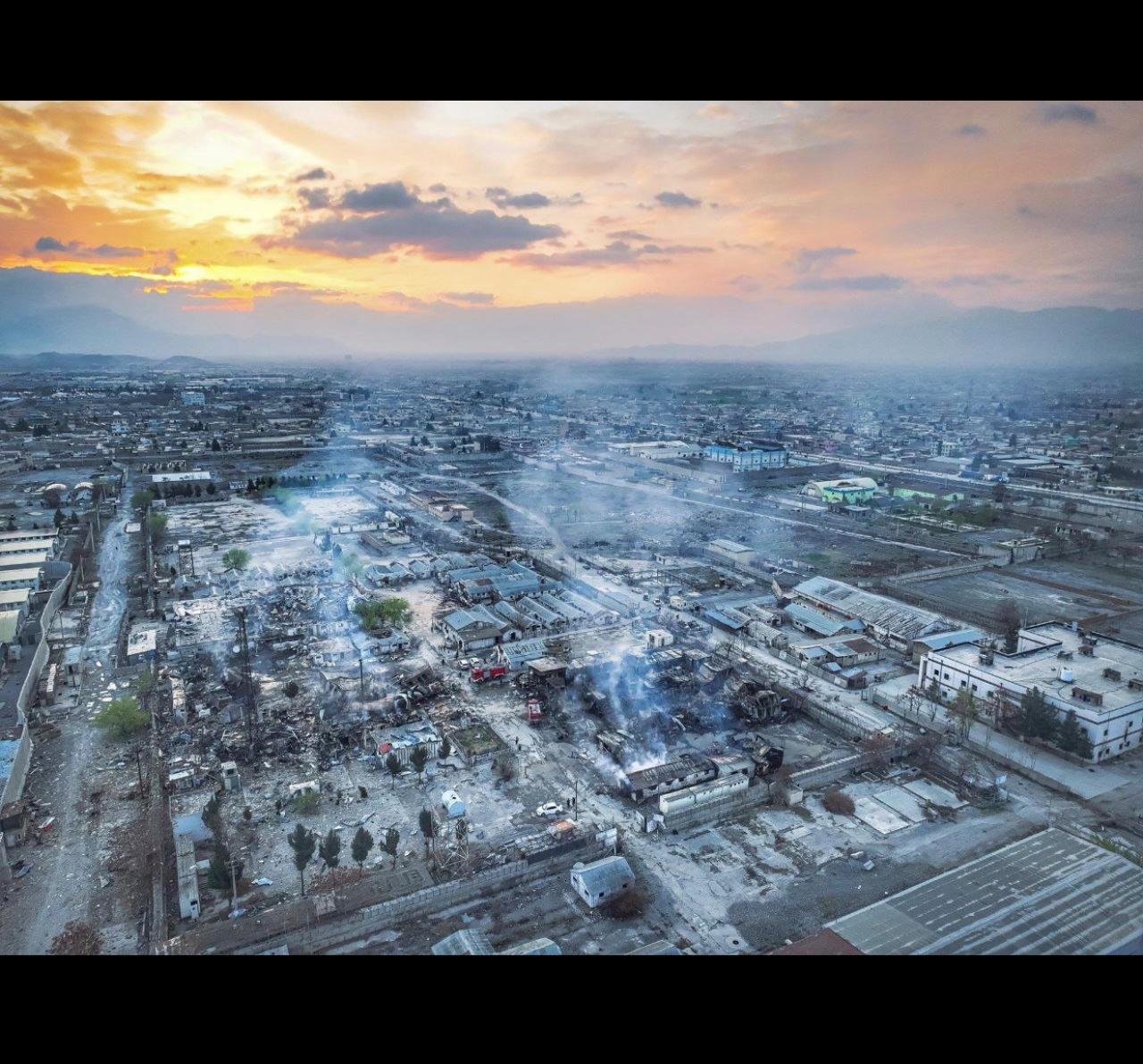
Kabul/Islamabad, March 17: An intense information battle unfolded alongside reported Pakistani airstrikes in Kabul late last night, as claims by the Afghan Taliban of civilian casualties—particularly the alleged bombing of a hospital—began to unravel under independent scrutiny.
According to security sources, Pakistan carried out precision strikes on terrorist’s hideouts, including military hardware depots and facilities linked to suicide bombing training/indoctrination networks. The strikes reportedly triggered large secondary explosions, indicating the presence of ammunition storage at the targeted locations.
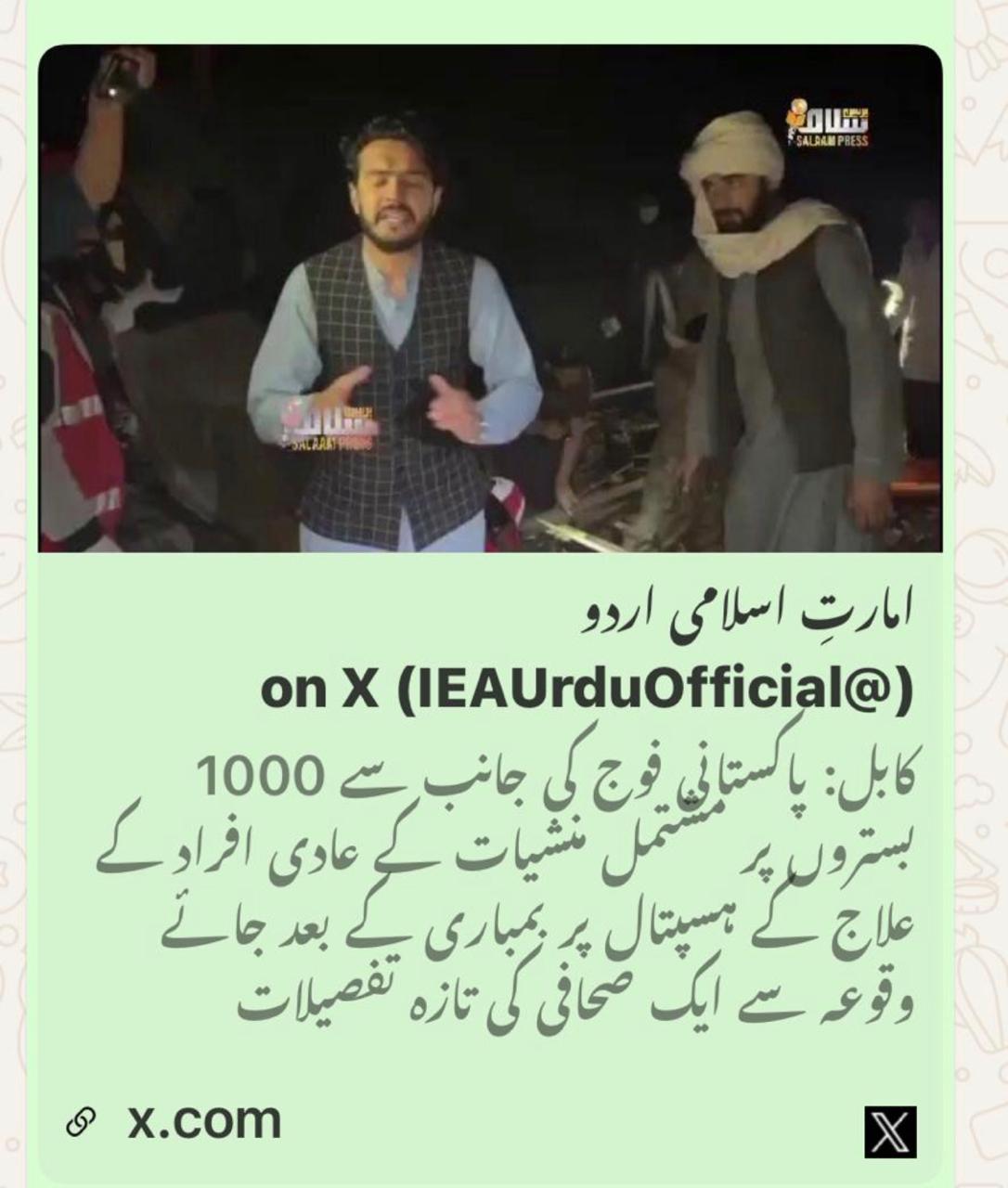
Soon after the operation, Taliban-linked social media accounts and affiliated networks launched a coordinated online campaign, alleging that a civilian hospital referred to as “Umeed Hospital” had been hit. The narrative appeared designed to evoke international outrage and humanitarian concern.
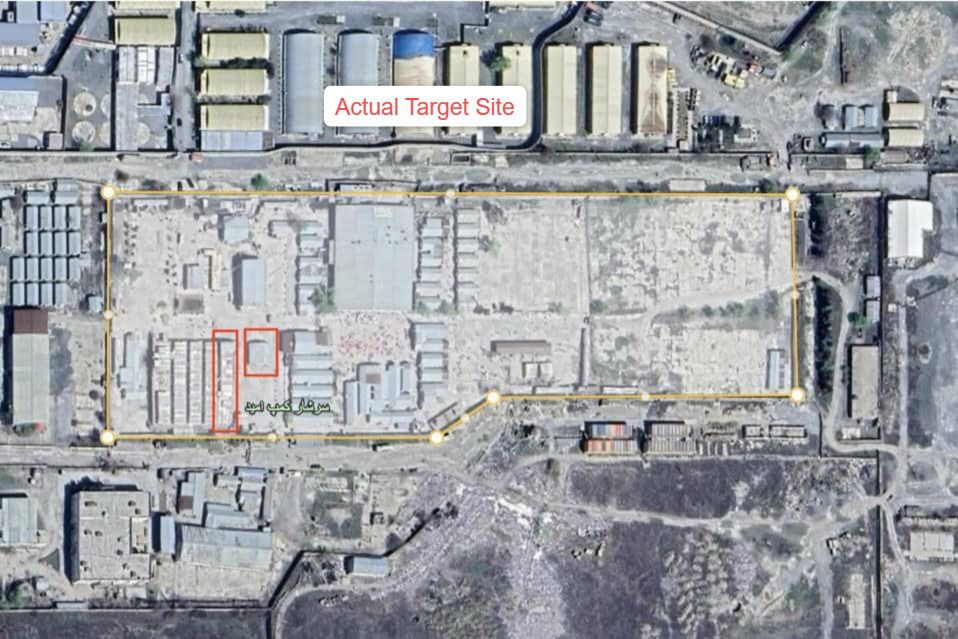
However, open-source analysts and independent research journalists began verifying the coordinates circulated by these accounts. Their findings suggested that the targeted site was not a functioning hospital but rather a former U.S. military installation known as Camp Phoenix.
Investigators claim the facility had been repurposed and was being used for activities far removed from medical care. Reports allege that the site functioned as a (hub) where vulnerable individuals, including drug addicts, were being indoctrinated and trained for suicide attacks. These alleged operations reportedly included preparation for attacks in crowded civilian settings such as mosques, imambargahs, schools, playgrounds, and marketplaces, particularly across the border in Pakistan.
Further raising doubts about the Taliban’s claims was the structural mismatch highlighted by analysts. While “Omid Hospital” is a multi-storied building while the struck location reportedly consisted of containerized installations consistent with a military or training compound is singled-storied building.
Omid Hospital being claimed to be hit by Afghan Taliban regime in the tweet is actually multiple kilometres away from Camp Phoenix that was actually hit by PAF strikes.
Additionally, the scale of the post-strike explosions captured in circulating videos was more consistent with ammunition depots than civilian medical infrastructure.
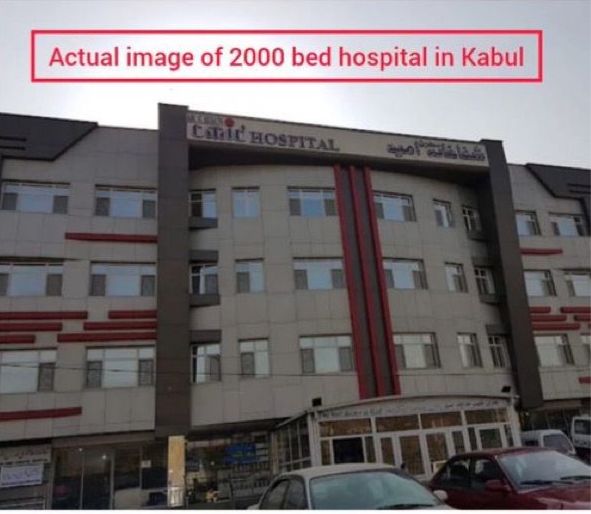
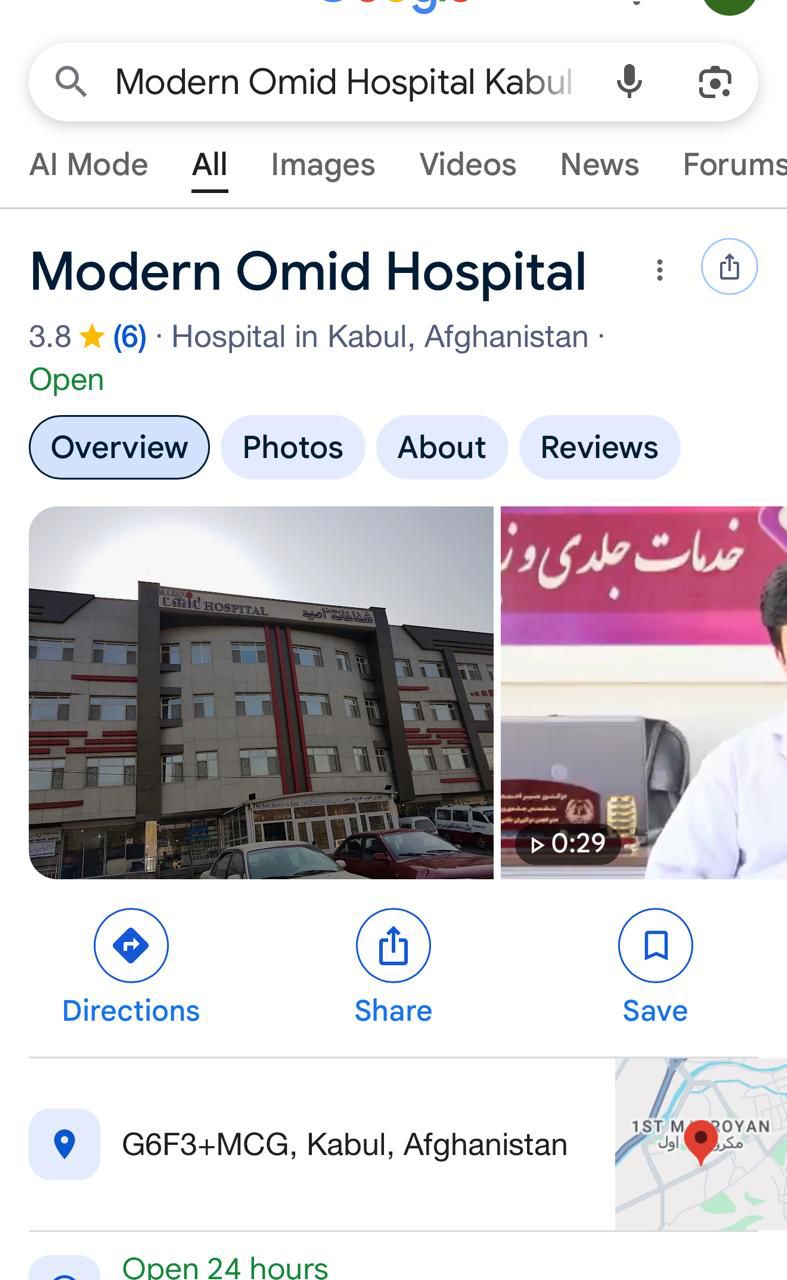
As contradictions in the narrative emerged, several Taliban-affiliated accounts reportedly began deleting or modifying earlier posts, suggesting an attempt to contain the fallout from what critics are calling a poorly coordinated disinformation effort.
Observers say the episode underscores how “reckless propaganda” can sometimes backfire, particularly in an era where geolocation tools and open-source intelligence allow rapid verification of claims. Analysts also point to broader concerns about media ecosystems, arguing that certain international outlets may have initially amplified unverified claims without sufficient due diligence.
The incident highlights not only escalating cross-border tensions but also the growing importance of information warfare in modern conflict where competing narratives can shape global perception as much as events on the ground.
Breaking: TOLO TV Morning News Accidentally Exposes Taliban Lies
TOLO TV morning news: A family member of the victims told a TOLO News reporter that 20–25 people were injured and brought to Kabul Emergency Hospital.
However, the reporter herself contradicted this claim, saying… pic.twitter.com/KEDS05UPIi
— Dr. Barmak (@Barmakf) March 17, 2026
No independent confirmation has yet been issued by international monitoring organizations regarding the exact nature of the targeted sites, and the Taliban authorities have not formally responded to the emerging counterclaims at the time of filing this report.